 3 citations
,
June 2018 in “The New England Journal of Medicine”
3 citations
,
June 2018 in “The New England Journal of Medicine” A woman with Cushing's syndrome improved after surgery to remove a tumor causing the condition.
 3 citations
,
January 2018 in “Biomedical dermatology”
3 citations
,
January 2018 in “Biomedical dermatology” Green tea extract helps prevent cell death and supports cell survival in hair cells exposed to a chemotherapy drug.
 3 citations
,
January 2017 in “Evidence-based complementary and alternative medicine”
3 citations
,
January 2017 in “Evidence-based complementary and alternative medicine” Galla chinensis solution effectively treats fungal skin infections in dogs.
 2 citations
,
October 2018 in “Springer eBooks”
2 citations
,
October 2018 in “Springer eBooks” Cancer treatments can cause skin-related side effects that may affect patient quality of life and require changes in treatment.
 2 citations
,
February 2016 in “British Journal of Dermatology”
2 citations
,
February 2016 in “British Journal of Dermatology” Bimatoprost solution 0.03% is effective for treating sparse eyelashes.
1 citations
,
December 2023 in “Nanomaterials” Combining specific nanoparticles with immune therapy significantly improves cancer treatment.
1 citations
,
April 2022 in “F1000Research” Most pediatric cancer patients at Muhimbili National Hospital in Tanzania experienced side effects from chemotherapy, with nausea, hair loss, and low white blood cell count being the most common.
 1 citations
,
July 2018 in “Elsevier eBooks”
1 citations
,
July 2018 in “Elsevier eBooks” Triple horizontal scalp biopsies are 98% accurate in diagnosing hair loss, better than single biopsies.
 1 citations
,
January 2018 in “Springer eBooks”
1 citations
,
January 2018 in “Springer eBooks” The document concludes that scalp cooling and treatments like minoxidil can help manage hair loss from cancer therapy.
 1 citations
,
January 2013 in “Springer eBooks”
1 citations
,
January 2013 in “Springer eBooks” The document concludes that skin and nail changes can indicate various underlying health conditions.
 April 2026 in “Buletin Veteriner Udayana”
 Apple cider vinegar improved the cat's skin condition and reduced symptoms in a week.
March 2026 in “Journal of Cosmetic Dermatology” Keratinocyte Growth Factor-Hair Serum may help prevent hair loss during chemotherapy, but more research is needed.
 February 2026 in “Annals of dermatological science.”
 Stem cells can effectively regrow hair in women with hair loss.
 January 2026 in “Forum Dermatologicum”
 Hair loss can be caused by cancer, treatments, or skin conditions, and trichoscopy helps diagnose it.
August 2025 in “Skin Appendage Disorders” Low-dose oral minoxidil might help with hair loss during chemotherapy, but more research is needed.
 December 2024 in “Cureus”
 Chemotherapy worsens nutritional status in breast cancer patients, requiring targeted nutritional strategies.
January 2024 in “Faculty of 1000 Research Ltd” Most pediatric cancer patients at Muhimbili National Hospital experienced adverse drug reactions during chemotherapy, highlighting the need for careful monitoring.
 September 2020 in “Journal of Education Health and Sport”
 Personalized treatment and teamwork among doctors can reduce chemotherapy side effects and improve patient outcomes.

The document is a detailed guide on skin conditions and treatments for dermatologists.
Accurate diagnosis and tailored treatments are crucial for managing hair loss in humans and animals.
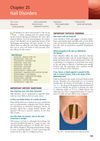 January 2018 in “Elsevier eBooks”
 Different nail disorders are treated by targeting their specific causes and using appropriate medications or protective measures.
 July 2017 in “British Journal of Dermatology”
 The document concludes that scalp conditions have various causes and can present in many different ways.
 April 2016 in “Journal of The American Academy of Dermatology”
 Online medical education helps doctors make better clinical decisions and increases their knowledge in treating fungal nail infections.
 April 2016 in “Journal of Investigative Dermatology”
 The symposium showed that stem cells are key for understanding and treating skin diseases and for developing new skin models and therapies.

Chemotherapy can cause skin issues and hair loss, and this guide explains how to manage them.
 January 2012 in “Postgraduate obstetrics & gynecology”
 Up to 50% of women may experience significant hair loss by age 50, with various causes and treatments available.
February 2006 in “PubMed” Docetaxel slightly extends prostate cancer survival but has significant side effects and high cost.
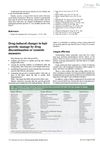 August 1994 in “Drugs & Therapy Perspectives”
 Some drugs can cause hair loss or growth, but hair usually returns to normal after stopping the drug.
 April 1963 in “Archives of Dermatology”
 Dermatological conditions are complex and treatments often have mixed results.
8 citations
,
March 2010 in “Chinese medical journal/Chinese Medical Journal” Malassezia infection may cause refractory acne, and antifungal treatments can help.