 July 2016 in “Experimental Dermatology”
 New treatments for hair growth and psoriasis may be possible, and gene differences could affect baldness and the severity of skin conditions.
 July 2016 in “Journal of Investigative Dermatology”
 R-spondin2 may help treat hair loss, gene differences could explain baldness, a peptide's regulation is linked to psoriasis, B-defensin gene copies may affect a skin condition's risk and severity, and potential markers and targets for alopecia areata were identified.
 33 citations
,
September 2019 in “Dermatologic Surgery”
33 citations
,
September 2019 in “Dermatologic Surgery” Using a special stem cell formula on the scalp once a month for six months helped people with hair loss grow more hair.
 8 citations
,
April 2014 in “Anti-Cancer Drugs”
8 citations
,
April 2014 in “Anti-Cancer Drugs” A hormone linked to collagen helps hair grow back in mice after chemotherapy, and may also prevent bone loss.
 7 citations
,
October 2006 in “Medical hypotheses”
7 citations
,
October 2006 in “Medical hypotheses” UV light might cause excessive hair growth by increasing PGE2 in the skin.
 January 2010 in “Elsevier eBooks”
 Hair transplantation is a treatment for hair loss mainly caused by genetics, with various techniques and potential complications, and results visible after 8-12 months.
 November 2008 in “Medical Hypotheses”
 The conclusion suggests a new treatment for infantile hemangiomas and a potential target for hair loss treatment.
 December 2002 in “Archives of Dermatology”
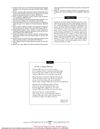
 The poem ends by asking for case reports on serious health issues like Telogen Effluvium.
 91 citations
,
April 2011 in “Journal of Ethnopharmacology”
91 citations
,
April 2011 in “Journal of Ethnopharmacology” Polygonum multiflorum extract helps grow hair by activating certain hair growth signals in mice.
 64 citations
,
January 2015 in “BioMed Research International”
64 citations
,
January 2015 in “BioMed Research International” Certain growth factors can promote hair growth in mice by activating hair growth-related proteins.
 45 citations
,
September 2012 in “Life Sciences”
45 citations
,
September 2012 in “Life Sciences” Aconiti Ciliare Tuber extract may help hair grow by activating a specific cell signaling pathway.
 25 citations
,
August 2010 in “Journal of Biological Chemistry”
25 citations
,
August 2010 in “Journal of Biological Chemistry” Nuclear Factor I-C is important for controlling hair growth by affecting the TGF-β1 pathway.
 12 citations
,
October 2020 in “Scientific Reports”
12 citations
,
October 2020 in “Scientific Reports” Necrostatin-1s can promote hair growth and may help treat hair loss.
 7 citations
,
July 2019 in “International Journal of Molecular Sciences”
7 citations
,
July 2019 in “International Journal of Molecular Sciences” PGA-4HGF may help treat hair loss by activating hair growth pathways and extending the hair growth phase.
 4 citations
,
January 2020 in “BioMed Research International”
4 citations
,
January 2020 in “BioMed Research International” Timosaponin BII, a plant extract, was found to promote hair growth in mice, similarly to minoxidil.
 3 citations
,
June 2017 in “Journal of Biomaterials Applications”
3 citations
,
June 2017 in “Journal of Biomaterials Applications” Keratin extract from human hair was found to promote hair growth in mice.
 June 2022 in “International journal of drug delivery technology”
 Nebivolol cream may be a promising hair loss treatment by improving blood flow and nourishing hair follicles.
 54 citations
,
January 2013 in “BMC Complementary and Alternative Medicine”
54 citations
,
January 2013 in “BMC Complementary and Alternative Medicine” Thuja orientalis hot water extract may help hair grow by starting the growth phase and improving hair follicle development.
 8 citations
,
January 2016 in “Evidence-based Complementary and Alternative Medicine”
8 citations
,
January 2016 in “Evidence-based Complementary and Alternative Medicine” Rumex japonicus extract may promote hair growth more effectively than Minoxidil.
 835 citations
,
October 2008 in “Nature Genetics”
835 citations
,
October 2008 in “Nature Genetics” Lgr5 is a marker for active, long-lasting stem cells in mouse hair follicles.
 520 citations
,
February 2001 in “Journal of Clinical Investigation”
520 citations
,
February 2001 in “Journal of Clinical Investigation” VEGF helps hair grow and determines follicle size by increasing blood vessel growth.
 499 citations
,
September 2011 in “Cell”
499 citations
,
September 2011 in “Cell” Fat-related cells are important for initiating hair growth.
 375 citations
,
February 2006 in “Journal of Cell Science”
375 citations
,
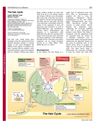
February 2006 in “Journal of Cell Science” The document concludes that the hair cycle is a complex process involving growth, regression, and rest phases, regulated by various molecular signals.
 192 citations
,
March 1998 in “British Journal of Dermatology”
192 citations
,
March 1998 in “British Journal of Dermatology” Minoxidil boosts growth factor in hair cells, potentially promoting hair growth.
 113 citations
,
November 2017 in “Scientific Reports”
113 citations
,
November 2017 in “Scientific Reports” Tiny particles from stem cells help activate hair growth cells and encourage hair growth in mice without being toxic.
 112 citations
,
July 1998 in “Journal of Investigative Dermatology”
112 citations
,
July 1998 in “Journal of Investigative Dermatology” Ruby laser pulses best destroy hair follicles during the growth phase and effectiveness varies with laser intensity; melanin is key for targeting, and timing treatments can improve results.
 103 citations
,
January 2006 in “Journal of Cell Science”
103 citations
,
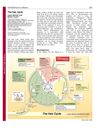
January 2006 in “Journal of Cell Science” The document concludes that the hair cycle is a complex process involving growth, regression, and rest phases, regulated by various molecular signals.
 90 citations
,
June 2006 in “The American Journal of Dermatopathology”
90 citations
,
June 2006 in “The American Journal of Dermatopathology” The document concludes that accurate diagnosis of different types of hair loss requires careful examination of hair and scalp tissue, considering both clinical and microscopic features.
 87 citations
,
April 2018 in “Biochemical and Biophysical Research Communications”
87 citations
,
April 2018 in “Biochemical and Biophysical Research Communications” Exosomes from dermal papilla cells can help grow hair and might treat hair loss.
 76 citations
,
March 2005 in “Journal of Molecular Medicine”
76 citations
,
March 2005 in “Journal of Molecular Medicine” Certain mice without specific receptors or mast cells don't lose hair from stress.