 1 citations
,
August 2021 in “Internal Medicine Journal”
1 citations
,
August 2021 in “Internal Medicine Journal” After severe COVID-19, 71% of patients experienced excessive hair shedding and thinning within 3 months due to factors like low oxygen levels, medication, stress, and autoimmune disease.
 4 citations
,
March 2021 in “International Journal of Dermatology”
4 citations
,
March 2021 in “International Journal of Dermatology” COVID-19 and related stress may increase hair loss known as Telogen effluvium.
 July 2024 in “Dermatology Practical & Conceptual”
 COVID-19-related hair loss may have unique features compared to hair loss from other causes.
 1 citations
,
October 2000 in “Pediatrics in Review”
1 citations
,
October 2000 in “Pediatrics in Review” The document says that hookworms are treated with mebendazole and stress-related hair loss usually gets better in 6 months, while other hair loss types have specific treatments.
 December 2024 in “International Journal of Research in Ayurveda and Pharmacy”
 Sowbhagya Chundi Legiyam helps postpartum women recover and prevent infections.
 May 2020 in “bioRxiv (Cold Spring Harbor Laboratory)”
 The study found that certain genes are important for hedgehog skin appendage development and immunity, with spines possibly evolving for protection and infection resistance.
 1 citations
,
December 2021 in “Medical Records”
1 citations
,
December 2021 in “Medical Records” The COVID-19 pandemic led to fewer dermatology visits, older and more male patients, and more stress-related skin issues.
 30 citations
,
January 2013 in “Obesity Surgery”
30 citations
,
January 2013 in “Obesity Surgery” Bariatric surgery affects skin health, causing both direct complications and changes in existing skin conditions, often related to nutritional deficiencies.
 32 citations
,
March 2021 in “Journal of cosmetic dermatology (Print)”
32 citations
,
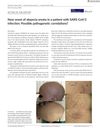
March 2021 in “Journal of cosmetic dermatology (Print)” COVID-19 infection may trigger alopecia areata in some patients.
29 citations
,
March 2022 in “Biomedicines” Enhancing antioxidant responses can improve treatments for various diseases.
 April 2012 in “Lab Animal”
 Early exposure to germs may protect against autoimmune diseases, lack of sex increases alcohol preference in fruit flies, a potential baldness treatment could involve blocking a specific receptor, skin memory cells help prevent re-infection, high-fat diets can affect brain cells related to weight, and the link between social status, stress, and heart disease in primates is unclear.
 1 citations
,
September 2017 in “Journal of Investigative Dermatology”
1 citations
,
September 2017 in “Journal of Investigative Dermatology” Hair care products reduced hair roughness, a combination of Stemoxydine and Resveratrol increased hair density, fermented mackerel oil promoted hair growth, and genes TERT and Bmi-1 helped create new hair follicles.
November 2025 in “The Journal of Dermatology” Minoxidil helps hair regrow faster in stress-related hair loss.
 24 citations
,
February 2021 in “Dermatology and Therapy”
24 citations
,
February 2021 in “Dermatology and Therapy” COVID-19 increased alopecia areata relapses due to inflammation and stress.
 August 2022 in “Gene Reports”
 New hair loss treatments could be improved by using combined biological markers.

Topical Minoxidil is effective for hair loss after COVID-19.

Elderly skin care needs personalized treatment, early intervention, and integrated psychiatric care.
April 2025 in “JAAD reviews.” Skin issues can signal substance use, helping early detection and treatment.
4 citations
,
December 2024 in “Gels” The gel effectively delivers drugs to the eye, fights bacteria, and protects against oxidative stress.
1 citations
,
November 2025 in “Stem Cell Research & Therapy” Immortalized hair follicle cells could be useful for regenerative medicine and treating inflammation and oxidative stress.
 18 citations
,
July 2022 in “Frontiers in Immunology”
18 citations
,
July 2022 in “Frontiers in Immunology” Volatile organic compounds can cause inflammation and increase the risk of autoimmune diseases.
 3 citations
,
April 2022 in “Clinical, Cosmetic and Investigational Dermatology”
3 citations
,
April 2022 in “Clinical, Cosmetic and Investigational Dermatology” Different methods, including stress management, healthy diet, supplements, and treatments like minoxidil, can help hair grow back after COVID-19 related hair loss.
November 2021 in “Медицинский алфавит” COVID-19 can cause temporary hair loss due to stress and inflammation.
 14 citations
,
December 2020 in “Journal of The American Academy of Dermatology”
14 citations
,
December 2020 in “Journal of The American Academy of Dermatology” More people, especially Hispanic/Latinx, in certain NYC communities experienced temporary hair loss during the COVID-19 pandemic.
During COVID-19, Iraqi women saw more hair loss and skin issues like acne due to stress, masks, and hygiene habits.
 May 2022 in “F1000Research”
 During the COVID-19 pandemic, Iraqi women experienced more hair loss and certain skin conditions, while contagious skin infections decreased.
January 2022 in “Faculty of 1000 Research Ltd” During COVID-19, Iraqi women experienced more hair loss and skin issues like acne, likely due to stress and mask-wearing.
 43 citations
,
July 2020 in “Dermatologic Therapy”
43 citations
,
July 2020 in “Dermatologic Therapy” During the COVID-19 pandemic, a clinic in Turkey saw fewer patients but more cases of certain skin conditions, possibly linked to the virus and stress.
1 citations
,
March 2024 in “Pathogens” Beau's lines on nails may indicate severe COVID-19 or vaccination response.
 December 1989 in “The Journal of Dermatologic Surgery and Oncology”
 New techniques and findings in dermatologic surgery show improved pain management, safer liposuction, better hair transplantation, and effective treatments for skin conditions.