 1 citations
,
January 2022 in “Turkiye Klinikleri Journal of Dermatology”
1 citations
,
January 2022 in “Turkiye Klinikleri Journal of Dermatology” Lifestyle changes during the early COVID-19 outbreak led to more cases of acne and other skin conditions, but fewer cases of rosacea and skin infections.
 13 citations
,
February 2016 in “Clinical Medicine”
13 citations
,
February 2016 in “Clinical Medicine” The document concludes that diagnosing and treating hair loss is complex and requires understanding its psychological effects and underlying causes, while also calling for more research and new treatments.
 148 citations
,
December 2018 in “Journal of autoimmunity”
148 citations
,
December 2018 in “Journal of autoimmunity” Alopecia areata is an autoimmune disease causing patchy hair loss, often with other autoimmune disorders, but its exact causes are unknown.
1 citations
,
May 2017 in “InTech eBooks” The chapter explains common scalp conditions, including infections, infestations, and tumors.
 3 citations
,
July 2022 in “The Journal of Dermatology”
3 citations
,
July 2022 in “The Journal of Dermatology” COVID-19 infection can cause new hair loss conditions or worsen existing skin diseases, with hair loss being the most common issue.
55 citations
,
April 2022 in “Frontiers in Immunology” Cholesterol affects coronavirus spread and could be a target for treatment.
 7 citations
,
May 2012 in “Actas Dermo-Sifiliográficas”
7 citations
,
May 2012 in “Actas Dermo-Sifiliográficas” Scalp fungus infections in Spain are a health concern, with changing causes and a need for better treatment and prevention.
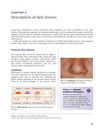
The document explains different types of skin lesions and their characteristics, causes, and related conditions.
 21 citations
,
May 1988 in “Journal of The American Academy of Dermatology”
21 citations
,
May 1988 in “Journal of The American Academy of Dermatology” The first in-prison dermatology clinic in the U.S. faced challenges and found certain skin conditions common among inmates, with rare cases of serious skin cancer.
 8 citations
,
January 2022 in “Infectious diseases News Opinions Training”
8 citations
,
January 2022 in “Infectious diseases News Opinions Training” Genetic differences affect COVID-19 severity and treatment effectiveness.

Some vaccines, like the hepatitis B vaccine, might be linked to the hair loss condition Alopecia Areata, but more research is needed.
11 citations
,
January 2009 in “Indian journal of dermatology, venereology, and leprology” DCPA is a chronic skin condition affecting the lower limbs, mainly in men, with unclear causes and treatments that often don't work well.
11 citations
,
October 2007 in “International Journal of Dermatology” Alopecia in Burkina Faso mostly affects young people, often students, with common causes being tinea and alopecia areata.
8 citations
,
November 2020 in “Journal of the European Academy of Dermatology and Venereology” COVID-19 led to fewer dermatology admissions in Hubei, China, with more severe cases and increased eczema due to mask use and hand disinfectants.
13 citations
,
April 2009 in “Journal der Deutschen Dermatologischen Gesellschaft” Nail disorders not caused by infection are common and can look similar, with psoriasis being the most frequent and having specific nail symptoms.
 12 citations
,
November 2022 in “Archives of Dermatological Research”
12 citations
,
November 2022 in “Archives of Dermatological Research” COVID-19 can directly trigger certain skin conditions like pustular dermatoses due to an inflammatory response.
 April 2026 in “Research Square”
 COVID-19 can harm male fertility by reducing sperm stem cells and damaging testicular function.
 November 2022 in “Journal of clinical images and medical case reports”
 COVID-19 can cause hair loss in both severe and mild cases, often affecting women.

VCFO effectively treats fungal infections in cats and promotes hair regrowth.
87 citations
,
February 2009 in “PubMed” Alopecia in captive primates can be caused by many factors, so thorough testing is needed before blaming stress.
38 citations
,
May 2021 in “International Journal of Infectious Diseases” Low testosterone may indicate severe COVID-19 in men.
 12 citations
,
January 1984 in “Clinics in Dermatology”
12 citations
,
January 1984 in “Clinics in Dermatology” The document concludes that syphilis has varied symptoms that are often missed, making clinical awareness crucial for diagnosis.
 December 2025 in “Babcock University Medical Journal”
 CD27 and IL-35 can help diagnose alopecia areata linked to bacterial infections.
196 citations
,
November 2014 in “PubMed” Tinea infections need proper diagnosis and treatment with topical or oral antifungals based on severity and location.
6 citations
,
December 2015 in “Medicine” Cronkhite-Canada syndrome may be more treatable and less severe than previously thought.
 June 2025 in “Academic Medical Journal”
 A 6-year-old girl experienced temporary hair loss after mild COVID-19, which improved naturally in 8 months.
 November 2024 in “medRxiv (Cold Spring Harbor Laboratory)”
 Genetic factors affecting skin health and body weight may increase the risk of dermatophytosis.
17 citations
,
October 2001 in “Veterinary dermatology” The skin issues in the two dogs might be caused by infection or self-injury, not genetics.
1 citations
,
January 2024 in “BMJ Case Reports” A woman had meningitis caused by mixed connective tissue disease, not an infection.
52 citations
,
January 2021 in “Journal of Thoracic Oncology” Effective vaccines and treatments are crucial for long-term COVID-19 control.