 May 2026 in “Endocrine Connections”
 Androgenetic alopecia in PCOS is linked to insulin resistance, inflammation, and genetics, not just hormones.
 174 citations
,
November 2016 in “Cell stem cell”
174 citations
,
November 2016 in “Cell stem cell” Different types of skin cells have unique genetic markers that affect how likely they are to spread cancer.
45 citations
,
May 2024 in “International Journal of Molecular Sciences” Alopecia areata is caused by immune attacks on hair follicles, affecting hair growth and quality of life.
 20 citations
,
June 2010 in “Genes and Immunity”
20 citations
,
June 2010 in “Genes and Immunity” Blood tests can help understand the genetic differences in people with alopecia areata, including how severe it is and if it's inherited.
 78 citations
,
October 2020 in “Experimental Dermatology”
78 citations
,
October 2020 in “Experimental Dermatology” Hidradenitis suppurativa is caused by genetic factors, inflammation, bacteria, hormones, and lifestyle factors like obesity and smoking.
 185 citations
,
August 2005 in “Autoimmunity Reviews”
185 citations
,
August 2005 in “Autoimmunity Reviews” Alopecia areata is an autoimmune condition causing hair loss due to the immune system attacking hair follicles, often influenced by genetics and stress.
 7 citations
,
January 2019 in “Australasian Journal of Dermatology”
7 citations
,
January 2019 in “Australasian Journal of Dermatology” A genetic marker linked to a type of hair loss was found in most patients studied.
 October 2025 in “Frontiers in Immunology”
 Platelet-rich plasma might help treat eczema by reducing inflammation and repairing the skin.
 28 citations
,
January 2018 in “Biochemical Society Transactions”
28 citations
,
January 2018 in “Biochemical Society Transactions” Certain fats in the skin help control inflammation and health, and changing these fats through diet or supplements might treat skin inflammation.
 9 citations
,
February 2019 in “BMC cancer”
9 citations
,
February 2019 in “BMC cancer” M30 is a promising treatment for preventing hair loss during chemotherapy.
 5 citations
,
May 2023 in “European Journal of Human Genetics”
5 citations
,
May 2023 in “European Journal of Human Genetics” NIPT can help detect potential maternal cancer, and GIPXplore can identify immune diseases in pregnancies.
 55 citations
,
April 2010 in “Cancer and Metastasis Reviews”
55 citations
,
April 2010 in “Cancer and Metastasis Reviews” TGFβ's manipulation of inflammation and immune cells affects cancer spread, suggesting new treatment strategies and biomarkers.
 9 citations
,
May 2012 in “PLOS ONE”
9 citations
,
May 2012 in “PLOS ONE” ILK is essential for skin development, pigmentation, and healing.
February 2006 in “Expert review of dermatology” Acne is caused by hormones, genetics, skin cell buildup, oil production, bacteria, and inflammation.
11 citations
,
October 2022 in “Clinical Cosmetic and Investigational Dermatology” Personalized skincare can be improved by understanding genetic differences and using compounds like Resveratrol and Quercetin.
 1 citations
,
April 2022 in “BMC Genomics”
1 citations
,
April 2022 in “BMC Genomics” Researchers found genes linked to hair loss in male giant pandas.
 February 2024 in “International Journal of Molecular Sciences”
 Hair loss in Androgenetic Alopecia is caused by genetics, aging, and lifestyle, leading to hair follicle shrinkage and related health risks.
 November 2025 in “Frontiers in Pharmacology”
 Xiaozhi Yufa decoction may help treat hair loss by improving hair growth and reducing inflammation.
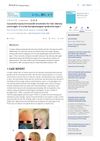 January 2024 in “Pediatric Dermatology”
 Minoxidil improved hair growth in a child with a rare genetic disorder.
99 citations
,
October 2008 in “Journal of Investigative Dermatology” Mutations in the ST14 gene cause skin and hair issues by disrupting important protein processing.
 124 citations
,
June 2020 in “Cell Stem Cell”
124 citations
,
June 2020 in “Cell Stem Cell” Fat cells in the skin help start healing and form important repair cells after injury.
 April 2017 in “Journal of Investigative Dermatology”
 Certain microRNAs may protect against hair loss in alopecia areata and could be potential treatment targets.
 45 citations
,
August 2019 in “Dermatologic Therapy”
45 citations
,
August 2019 in “Dermatologic Therapy” Hair loss treatments work better with lifestyle changes.
 7 citations
,
March 2011 in “Hormone and Metabolic Research”
7 citations
,
March 2011 in “Hormone and Metabolic Research” Certain gene variations might help protect against insulin resistance and glucose intolerance in people with Polycystic Ovary Syndrome.
13 citations
,
September 2022 in “Biomolecules” The research confirms that Hidradenitis Suppurativa is characterized by increased inflammation, disrupted skin cell organization, and abnormal metabolic processes.
8 citations
,
November 2024 in “EMBO Molecular Medicine” Targeting JAK-STAT1 can reduce inflammation and promote hair growth in conditions linked to EGFR deficiency.
 65 citations
,
February 2017 in “Pflügers Archiv - European Journal of Physiology”
65 citations
,
February 2017 in “Pflügers Archiv - European Journal of Physiology” Macrophages are vital for skin healing, hair growth, salt balance, and cancer defense.
 144 citations
,
July 2015 in “Clinical, Cosmetic and Investigational Dermatology”
144 citations
,
July 2015 in “Clinical, Cosmetic and Investigational Dermatology” Alopecia areata is a common autoimmune disease affecting about 2% of people, causing significant disability and often associated with mental health issues and other autoimmune conditions.
40 citations
,
November 2021 in “International Journal of Molecular Sciences” Mutant keratins cause inflammation in Epidermolysis Bullosa Simplex, suggesting targeting them could help treat the disorder.
 23 citations
,
January 2010 in “Journal of Medical Primatology”
23 citations
,
January 2010 in “Journal of Medical Primatology” Hair loss in Rhesus macaques may be caused by a skin allergy-related condition.