 May 2026 in “Scientific Reports”
 Stigmasterol may help treat hair loss, but more research is needed.
April 2026 in “ACS Applied Materials & Interfaces” A new treatment using probiotic microneedles shows promise for promoting hair growth and reducing inflammation in androgenetic alopecia.
 March 2026 in “Medeniyet Medical Journal”
 EH-MSCs may help treat hair loss by boosting regeneration and reducing inflammation.
July 2025 in “Colloids and Surfaces B Biointerfaces” A new method using hyaluronic acid liposomes improves Minoxidil's effectiveness and safety for hair growth treatment.

Phytotherapy offers a safer alternative for managing hair loss with fewer side effects.
 October 2024 in “Stem Cell Research & Therapy”
 CGF therapy may effectively treat psoriasis by reducing inflammation.
 March 2024 in “International Journal of Pharmaceutics”
 Ginsenoside Rg3 combined with minoxidil was more effective in treating hair loss in mice.
 December 2023 in “Benha Journal of Applied Sciences”
 AGEs and their receptors play a significant role in hair loss by causing inflammation and oxidative stress.
 November 2024 in “ACS Materials Letters”
 The new nitric oxide delivery system may effectively treat hair loss by improving hair follicle health and reducing inflammation.
Fat tissue can potentially treat a common form of hair loss called androgenic alopecia.
 May 2019 in “Journal of the Dermatology Nurses’ Association”
 Folliculitis decalvans mainly affects middle-aged African American men and is treated with antibiotics.
 April 2019 in “Journal of the Dermatology Nurses’ Association”
 A 37-year-old man with hair loss and skin issues was successfully treated with oral antibiotics, highlighting the need for early treatment. Long-term care includes low-dose antibiotics and avoiding caps and wigs.
 April 2018 in “Journal of Investigative Dermatology”
 IL-17C is important in inflammatory skin diseases and could be a target for treatment.
November 2023 in “Plants” Compounds from Jatropha cordata bark have significant anti-inflammatory effects and could help with hair loss.
 48 citations
,
May 1999 in “International Journal of Dermatology”
48 citations
,
May 1999 in “International Journal of Dermatology” Alopecia areata is an unpredictable autoimmune hair loss condition, treated based on severity, with half of patients regrowing hair within a year without treatment.
 March 2021 in “CRC Press eBooks”
 Trichoscopy helps tell apart Lichen planopilaris and Frontal fibrosing alopecia from other hair loss conditions.
 52 citations
,
March 2010 in “British Journal of Dermatology”
52 citations
,
March 2010 in “British Journal of Dermatology” Alopecia areata shows a unique type 1 interferon signature, suggesting potential treatment by targeting this pathway.
 April 2025 in “Düzce Tıp Fakültesi Dergisi”
 Vitamin D deficiency is common in children with non-scarring alopecia, and managing it may help treatment.
 21 citations
,
June 2022 in “Molecules”
21 citations
,
June 2022 in “Molecules” Perilla frutescens, an East Asian plant, contains 400 bioactive compounds that have various health benefits, including anti-inflammatory, antidepressant, and anticancer effects, and can treat conditions like diabetes, skin allergies, and neurological disorders.
 1 citations
,
August 2022 in “Biomedicines”
1 citations
,
August 2022 in “Biomedicines” Dutasteride, usually used for prostate issues and hair loss, could potentially treat Amyotrophic Lateral Sclerosis (ALS) due to its neuroprotective, antioxidant, and anti-inflammatory properties, but more testing is needed.
 August 2023 in “Medicina-lithuania”
 Abusing steroids can damage your heart, muscles, reproductive system, liver, skin, and brain, and may increase the risk of Alzheimer's disease.
 3 citations
,
January 2019 in “Indian Journal of Dermatology”
3 citations
,
January 2019 in “Indian Journal of Dermatology” Transverse scalp biopsy sections help diagnose different alopecias by showing hair follicle details and inflammation patterns.
 1 citations
,
February 2023 in “International Journal of Molecular Sciences”
1 citations
,
February 2023 in “International Journal of Molecular Sciences” Melatonin, the sleep hormone, can help treat skin conditions like dermatitis, hyperpigmentation, and scalp disorders, and may also aid in skin aging prevention and regeneration. However, it's not recommended for asthma due to its pro-inflammatory effect.
 February 2026 in “Zenodo (CERN European Organization for Nuclear Research)”
 Alopecia affects mental health, causing depression and anxiety, but new treatments can improve both hair growth and quality of life.
 February 2026 in “Zenodo (CERN European Organization for Nuclear Research)”
 Alopecia affects mental health, causing depression and anxiety, but new treatments can help improve both hair growth and quality of life.
 April 2025 in “BMC Immunology”
 Targeting SIRT1 with antisense oligonucleotides could be a promising treatment for hair loss.
 3 citations
,
April 2002 in “The Lancet”
3 citations
,
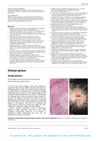
April 2002 in “The Lancet” Painful hair loss in an elderly woman was caused by giant cell arteritis, not just aging.

Blood cell counts could help predict and treat alopecia areata and telogen effluvium.
 1 citations
,
December 2022 in “Life”
1 citations
,
December 2022 in “Life” Topical corticosteroids are the main treatment for Erosive Pustular Dermatosis, but recurrence is common after stopping treatment.
56 citations
,
July 2020 in “Journal of Dermatological Treatment” Azelaic acid is safe and effective for treating rosacea and other skin issues.