 April 2020 in “Arquivo Brasileiro De Medicina Veterinaria E Zootecnia”
 A horse in Brazil had seasonal hair loss possibly linked to light exposure and melatonin levels.
 June 2019 in “International journal of dermatology and venereology”
 A man developed skin issues from cancer medication, which improved with specific treatments.
 January 2019 in “Springer eBooks”
 Acne is linked to inflammation and insulin resistance, and is associated with various syndromes that require different treatments.
 April 2016 in “The journal of investigative dermatology/Journal of investigative dermatology”
 MPZL3 is crucial for seborrheic dermatitis development.
 May 2015 in “Journal of The American Academy of Dermatology”
 The Nd:YAG laser is a successful and safe way to treat ingrown and pincer nails.
 April 2012 in “Journal of the American Academy of Dermatology”
 Clofazimine may be effective for treating ashy dermatosis.
 April 2012 in “Journal of the American Academy of Dermatology”
 Clofazimine successfully treated a man's ashy dermatosis, clearing his skin lesions.
The patient improved with treatment for depilating folliculitis.
 June 2026 in “Revista Brasileira de Saúde”
 The scalp microbiome may be a key factor in treating hair loss.
June 2026 in “Clinical and Experimental Dermatology” Stabilization of fibrosing alopecia may not mean effective disease control.
 April 2026 in “Research Journal of Topical and Cosmetic Sciences”
 S. anacardium shows promise for hair and scalp health but needs more research and safety measures.
 April 2026 in “American Journal of Dermatopathology”
 Increased blood vessel growth in lichen planopilaris may signal active disease needing aggressive treatment.
 April 2026 in “Journal of Pharmaceutical Investigation”
 Nanotechnology could improve treatment for scars and atopic dermatitis by targeting skin issues more effectively.
Combining physiotherapy and herbal remedies can effectively treat scalp disorders.
 January 2026 in “International Journal of Applied Pharmaceutics”
 Nanoparticle-embedded microneedles improve drug delivery through the skin but face challenges in stability and safety.
 January 2026 in “Acta Dermatovenerologica Alpina Pannonica et Adriatica”
 Primary cicatricial alopecia causes permanent hair loss by destroying hair follicles, and its exact cause is unknown.
 October 2025 in “Editora Pasteur eBooks”
 Peptides improve skin health and treatments for hair loss and pregnancy-related skin issues are evolving.
 October 2025 in “International Journal For Multidisciplinary Research”
 Eating apples regularly can improve heart health and help prevent chronic diseases.
April 2025 in “The Journal of Agriculture and Development” The best way to extract antioxidants from Eclipta prostrata is using a 43:1 solvent ratio at 64°C for 97 minutes.
 January 2025 in “Natural Product Research”
 Nyctanthes arbor-tristis has potential health benefits and needs more research for safe medicinal use.
November 2024 in “NeoReviews” An extremely low-birthweight infant had a rare genetic skin disease and died despite treatment.
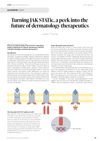 August 2024 in “New Zealand Medical Student Journal”
 JAK inhibitors show promise for treating skin diseases effectively and safely.
 November 2023 in “International Journal of Dermatology”
 Patients with central centrifugal cicatricial alopecia often have higher rates of metabolic, autoimmune, and atopic conditions, as well as anxiety and depression.
November 2022 in “Journal of Investigative Dermatology” Targeting inflammation can improve scalp and hair health.
 August 2022 in “Revista de la Universidad Industrial de Santander/Salud UIS”
 Stress-related hair loss was reversed with a special medication.
November 2021 in “OPAL (Open@LaTrobe) (La Trobe University)” Melatonin may treat rosacea and Alzheimer's by reducing inflammation and affecting blood vessel growth.

Microneedling is an effective way to treat hair loss from androgenetic alopecia.
Dissecting cellulitis and folliculitis keloidalis cause intense inflammation without bacterial infection.
September 2021 in “Journal of Education, Health and Sport” No clear link between androgenetic alopecia and COVID-19 was found.
December 2020 in “Journal of Endocrinology and Reproduction” Certain inflammatory molecules and leptin may contribute to hair loss in cicatricial alopecia.