 10 citations
,
January 2015 in “Journal of Dermatology and Dermatologic Surgery”
10 citations
,
January 2015 in “Journal of Dermatology and Dermatologic Surgery” Hair loss in adult females in Makkah is often linked to iron-deficiency anemia and thyroid issues.
 6 citations
,
April 2022 in “JMIR Dermatology”
6 citations
,
April 2022 in “JMIR Dermatology” Public interest in COVID-19-related hair loss increased during COVID-19 surges, especially with the omicron variant.
 6 citations
,
November 2018 in “Histochemistry and Cell Biology”
6 citations
,
November 2018 in “Histochemistry and Cell Biology” Mongolian gerbils heal wounds differently than mice, with unique protein levels and gene expression that affect skin repair.
 5 citations
,
January 2015 in “Current problems in dermatology”
5 citations
,
January 2015 in “Current problems in dermatology” The document concludes that a thorough history, physical exam, and specific tests are crucial for diagnosing and managing hair loss effectively.
 5 citations
,
February 2011 in “Expert Opinion on Drug Discovery”
5 citations
,
February 2011 in “Expert Opinion on Drug Discovery” We need better treatments for hair loss, and while test-tube methods are helpful, they can't fully replace animal tests for evaluating new hair growth treatments.
 4 citations
,
November 2009 in “Medical Clinics of North America”
4 citations
,
November 2009 in “Medical Clinics of North America” Stress, nutritional issues, and chronic diseases can cause hair loss, and nail changes may signal internal diseases; treatment focuses on the underlying cause.
 3 citations
,
November 2020 in “Ciencia Tecnología y Salud”
3 citations
,
November 2020 in “Ciencia Tecnología y Salud” COVID-19 symptoms range from mild to severe, with older adults at higher risk.
 1 citations
,
May 2025 in “The Journal of Rheumatology”
1 citations
,
May 2025 in “The Journal of Rheumatology” Living with lupus as both a patient and doctor improved understanding and care for others.
 1 citations
,
August 2022 in “JAMMI”
1 citations
,
August 2022 in “JAMMI” Some people still have COVID-19 symptoms after 90 days, especially older patients and those with severe initial symptoms, but most return to normal.
 1 citations
,
December 2010 in “InnovAiT”
1 citations
,
December 2010 in “InnovAiT” The document concludes that accurate diagnosis and appropriate management are crucial for treating various hair disorders, which have significant psychological impacts.
PRP therapy improves hair density and satisfaction more than Minoxidil for androgenetic alopecia.
 October 2025 in “Brazilian Journal of Hair Health”
 Hair loss from weight-loss treatments is usually temporary and reversible.
 May 2025 in “The Journal of Rheumatology”
 Mixed Connective Tissue Disease can develop from overlapping symptoms of several autoimmune diseases, making diagnosis complex.
 July 2023 in “Jurnal Ilmu Kesehatan Hewan”
 Sulfur-based treatments combined with simparica effectively treat scabies in puppies.
Interest in COVID-19 hair loss increased during COVID-19 surges, especially in higher-income countries.
 May 2015 in “Journal of The American Academy of Dermatology”
 Mycophenolate mofetil may improve symptoms and stop hair loss in Lichen planopilaris, but more research is needed.
Rehabilitation improved patients' mobility but did not reduce 30-day hospital readmission rates after stem cell transplants.
 January 2012 in “Postgraduate obstetrics & gynecology”
 Up to 50% of women may experience significant hair loss by age 50, with various causes and treatments available.
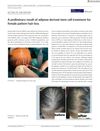 April 2021 in “Journal of Cosmetic Dermatology”
 Stem cell treatment improved hair density in female hair loss patient.
 52 citations
,
January 1999 in “Journal of Small Animal Practice”
52 citations
,
January 1999 in “Journal of Small Animal Practice” Removing a cat's pancreatic cancer can temporarily reverse hair loss caused by the disease.
Loose anagen hair syndrome in children may improve with age, but treatment results vary.
 240 citations
,
February 2005 in “Diabetes Care”
240 citations
,
February 2005 in “Diabetes Care” Patients need long-term care after bariatric surgery to manage potential nutritional and metabolic issues.
 190 citations
,
October 2002 in “The FASEB journal”
190 citations
,
October 2002 in “The FASEB journal” Androgens may cause hair loss by increasing TGF-beta1 from scalp cells, which inhibits hair cell growth.
 89 citations
,
March 2018 in “The Journal of Dermatology”
89 citations
,
March 2018 in “The Journal of Dermatology” Trichoscopy helps diagnose and monitor alopecia areata by looking at a combination of specific hair and scalp features.
 66 citations
,
December 2018 in “Dermatology”
66 citations
,
December 2018 in “Dermatology” Both ruxolitinib and tofacitinib are effective and safe for treating severe alopecia areata, but relapses are common.
 51 citations
,
September 2015 in “Medical Clinics of North America”
51 citations
,
September 2015 in “Medical Clinics of North America” The conclusion is that acne, alopecia, and hyperhidrosis are common skin issues with various treatments available, and accurate diagnosis is key for effective management.
 47 citations
,
July 2005 in “British Journal of Dermatology”
47 citations
,
July 2005 in “British Journal of Dermatology” Topical vitamin D3 does not prevent hair loss from chemotherapy.
 39 citations
,
November 2017 in “Journal of The American Academy of Dermatology”
39 citations
,
November 2017 in “Journal of The American Academy of Dermatology” The document suggests using standardized methods to track and measure hair loss in alopecia areata, including patient self-assessment and a 50% improvement in specific scores as a treatment goal.
 35 citations
,
November 2020 in “Dermatologic Therapy”
35 citations
,
November 2020 in “Dermatologic Therapy” Severe COVID-19 may cause hair loss, and doctors recommend supplements and topical treatments to manage it.
 26 citations
,
April 2009 in “Australasian Journal of Dermatology”
26 citations
,
April 2009 in “Australasian Journal of Dermatology” Spironolactone successfully treated hair loss in a 9-year-old girl.