 27 citations
,
September 1999 in “Journal of Investigative Dermatology”
27 citations
,
September 1999 in “Journal of Investigative Dermatology” Human skin cells contain Protease Nexin-1, and male hormones can decrease its levels, potentially affecting hair growth.
 22 citations
,
December 2014 in “Naunyn-Schmiedeberg's Archives of Pharmacology”
22 citations
,
December 2014 in “Naunyn-Schmiedeberg's Archives of Pharmacology” Baicalin helps hair grow by boosting certain cell activities and speeding up hair cycle in mice.

New treatments for vitiligo may focus on protecting melanocyte stem cells from stress and targeting specific pathways involved in the condition.
 1 citations
,
January 2018 in “Stem cell biology and regenerative medicine”
1 citations
,
January 2018 in “Stem cell biology and regenerative medicine” DNA methylation is essential for skin and hair follicle development, and could be a target for treating skin diseases.
 111 citations
,
January 2007 in “Seminars in cell & developmental biology”
111 citations
,
January 2007 in “Seminars in cell & developmental biology” Hair, teeth, and mammary glands develop similarly at first but use different genes later.
 103 citations
,
November 2014 in “Journal of Cell Biology”
103 citations
,
November 2014 in “Journal of Cell Biology” MicroRNA-214 is important for skin and hair growth because it affects the Wnt pathway.
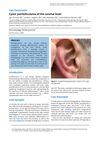 March 2026 in “Dermatology Online Journal”
 Cystic panfolliculoma is a rare, harmless tumor that can be confused with other skin tumors.
 October 2021 in “Research Square (Research Square)”
 Hair follicle stem cells in hairpoor mice are disrupted, causing hair loss.
 38 citations
,
June 2017 in “The Journal of Dermatology”
38 citations
,
June 2017 in “The Journal of Dermatology” Aging in hair follicle stem cells leads to hair graying, thinning, and loss.
 835 citations
,
October 2008 in “Nature Genetics”
835 citations
,
October 2008 in “Nature Genetics” Lgr5 is a marker for active, long-lasting stem cells in mouse hair follicles.
 499 citations
,
September 2011 in “Cell”
499 citations
,
September 2011 in “Cell” Fat-related cells are important for initiating hair growth.
 236 citations
,
July 2001 in “Trends in Molecular Medicine”
236 citations
,
July 2001 in “Trends in Molecular Medicine” Future hair loss treatments should aim to extend hair growth, reactivate resting follicles, reverse shrinkage, and possibly create new follicles, with gene therapy showing promise.
 211 citations
,
October 2001 in “The FASEB Journal”
211 citations
,
October 2001 in “The FASEB Journal” Noggin is necessary to start the hair growth phase in skin after birth.
 109 citations
,
December 1998 in “The Journal of Dermatology”
109 citations
,
December 1998 in “The Journal of Dermatology” Manipulating the catagen and telogen phases of hair growth could lead to treatments for hair disorders.
 100 citations
,
November 1996 in “Molecular Medicine Today”
100 citations
,
November 1996 in “Molecular Medicine Today” Growth factors and cytokines are important for hair growth and could potentially treat hair loss, but more research is needed to overcome challenges before they can be used in treatments.
 91 citations
,
May 2003 in “American Journal of Pathology”
91 citations
,
May 2003 in “American Journal of Pathology” Prolactin affects hair growth cycles and can cause early hair follicle regression.
 89 citations
,
September 2010 in “Annual Review of Genomics and Human Genetics”
89 citations
,
September 2010 in “Annual Review of Genomics and Human Genetics” The document concludes that understanding the genes and pathways involved in hair growth is crucial for developing treatments for hair diseases.
 80 citations
,
June 2008 in “Biomaterials”
80 citations
,
June 2008 in “Biomaterials” EVAL membranes help create cell structures that can regrow hair follicles.
 80 citations
,
June 2000 in “Modern Pathology”
80 citations
,
June 2000 in “Modern Pathology” Long-standing benign tumors can become cancerous, especially in people with weakened immune systems.
 72 citations
,
July 2012 in “Journal of Investigative Dermatology”
72 citations
,
July 2012 in “Journal of Investigative Dermatology” Mice lacking a key DNA methylation enzyme in skin cells have a lower chance of activating stem cells necessary for hair growth, leading to progressive hair loss.
 71 citations
,
June 2001 in “American Journal of Pathology”
71 citations
,
June 2001 in “American Journal of Pathology” The p53 protein helps control hair follicle shrinking by promoting cell death in mice.
 61 citations
,
January 2008 in “Cold Spring Harbor Symposia on Quantitative Biology”
61 citations
,
January 2008 in “Cold Spring Harbor Symposia on Quantitative Biology” Beta-catenin is crucial for skin cell growth, development, and cancer formation.
 46 citations
,
December 2003 in “Advances in neonatal care”
46 citations
,
December 2003 in “Advances in neonatal care” Assessing newborn scalp hair can reveal important health information.
 40 citations
,
June 2013 in “Scientific Reports”
40 citations
,
June 2013 in “Scientific Reports” A gene variant in KRT71 causes the curly fur in Selkirk Rex cats.
 32 citations
,
February 2008 in “Developmental dynamics”
32 citations
,
February 2008 in “Developmental dynamics” Mice without the Sp6 gene have problems developing several body parts, including hair, teeth, limbs, and lungs.
 25 citations
,
May 1994 in “Journal of Investigative Dermatology”
25 citations
,
May 1994 in “Journal of Investigative Dermatology” Researchers found a new gene, hacl-1, that is active in mouse hair follicles during hair growth and may be important for hair biology.
 20 citations
,
January 2015 in “Current problems in dermatology”
20 citations
,
January 2015 in “Current problems in dermatology” Hair gets thinner, grayer, and changes texture with age due to genetics, environment, and cellular changes, affecting the growth cycle.
 20 citations
,
October 2008 in “Archives of dermatological research”
20 citations
,
October 2008 in “Archives of dermatological research” Angiogenin helps hair grow by stimulating cell growth and blood vessel formation.
 19 citations
,
April 2015 in “International Journal of Molecular Sciences”
19 citations
,
April 2015 in “International Journal of Molecular Sciences” The research identified genes and pathways important for sheep wool growth and shedding.
 17 citations
,
June 2011 in “The journal of investigative dermatology/Journal of investigative dermatology”
17 citations
,
June 2011 in “The journal of investigative dermatology/Journal of investigative dermatology” The G60S Connexin43 mutation causes hair growth issues and poor hair quality in mice, similar to human ODDD patients.