9 citations
,
November 2015 in “JAMA dermatology” A 91-year-old woman's hair turned black in one spot, with skin changes underneath.
7 citations
,
January 2008 in “Indian Journal of Dermatology” Pigmentary mosaicism causes skin color changes and can affect multiple body systems, but has no cure.
 January 2018 in “Jaypee Brothers Medical Publishers (P) Ltd. eBooks”
 Scalp micropigmentation is a process where tiny dots of pigment are tattooed onto the scalp to create the appearance of a shaved head or fuller hair.
 July 1989 in “British Journal of Dermatology”
 Long-term use of canthaxanthin may cause reversible changes in the eye, including crystal deposits and altered vision responses.
43 citations
,
March 1942 in “The Journal of experimental medicine/The journal of experimental medicine” Mice need pantothenic acid to make inositol.
 36 citations
,
March 2014 in “Biomaterials”
36 citations
,
March 2014 in “Biomaterials” A new skin-whitening agent using a peptide from wheat is safe and effective at reducing skin pigmentation.
 June 2026 in “Zenodo (CERN European Organization for Nuclear Research)”
 Herbal hair dye with Bhringraj is effective, safe, and eco-friendly.
7 citations
,
December 1981 in “International Journal of Dermatology” Understanding genes can help diagnose and treat skin color disorders.
 1 citations
,
October 2022 in “Dermatology practical & conceptual”
1 citations
,
October 2022 in “Dermatology practical & conceptual” Isolated patchy heterochromia with pili annulati can occur without other health issues.
5 citations
,
April 1946 in “PubMed” Liver extract treatment improved anemia and hair growth in a pig.
3 citations
,
May 1979 in “PubMed” 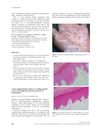 24 citations
,
September 2008 in “Clinical and experimental dermatology”
24 citations
,
September 2008 in “Clinical and experimental dermatology” Repigmentation in vitiligo may come from melanocyte stem cells in the skin.
 January 2022 in “Przegla̧d dermatologiczny”
 A man with a mental disorder turned his skin blue-gray by drinking silver to treat warts.
 44 citations
,
April 2017 in “Genes & development”
44 citations
,
April 2017 in “Genes & development” Scientists found cells in hair that are key for growth and color.
27 citations
,
July 1993 in “The journal of investigative dermatology/Journal of investigative dermatology” 6 citations
,
January 1971 in “Pathology” Children's hair needs only a little iron for normal growth, regardless of their body's iron levels.
4 citations
,
January 2012 in “Human health handbooks” Normal iron levels are crucial for healthy skin, hair, and nails.
18 citations
,
March 2015 in “Journal of Investigative Dermatology” Silencing certain circadian clock genes increases skin pigmentation.
1 citations
,
November 2004 in “International Journal of Cosmetic Science” External agents penetrate skin more easily in areas with fewer lipids, especially through hair follicles.
July 2025 in “Carbohydrate Polymers” The green alga Parachlorella sp. has potential for use in cosmetics and health products due to its antioxidant, anti-hypertensive, and hair growth properties.
6 citations
,
March 2009 in “Pigment Cell & Melanoma Research” A sphingolipid from human placenta may help treat vitiligo by activating melanocyte stem cells.
22 citations
,
January 1990  February 2013 in “Journal of the American Academy of Dermatology”
 Iron supplements may reverse premature hair graying caused by iron deficiency.
11 citations
,
August 1986 in “Archives of Dermatology” Vitamin B12 deficiency can cause skin and hair color changes, which can be reversed with treatment.
 April 2018 in “Journal of Investigative Dermatology”
 The research found that a specific skin cell type not only triggers hair growth but also controls hair color, and that aging can lead to hair loss and color changes.
January 1996 in “Journal of Investigative Dermatology” 1 citations
,
January 2021 in “Processes” Researchers successfully grew horse skin cells that produce pigment from hair follicle samples.
1 citations
,
July 2024 in “International Journal of Cosmetic Science” Infrared techniques reveal glycogen, unsaturated lipids, and calcium compounds in hair.
 January 2025 in “International Journal of Advanced Research in Science Communication and Technology”
 Polyherbal hair dyes are safer and more eco-friendly than chemical dyes.
2 citations
,
May 1981 in “Journal of Animal Science” Hair mineral analysis is not very useful for assessing overall mineral composition in animals.