Researchers created a new mouse model, G4, that mimics human PCOS symptoms and links the condition to a specific gene.
 17 citations
,
December 2010 in “Journal of Investigative Dermatology”
17 citations
,
December 2010 in “Journal of Investigative Dermatology” Flightless I protein affects hair growth, with low levels delaying it and high levels increasing hair length in rodents.
 August 2019 in “Research Square (Research Square)”
 Certain long non-coding RNAs in cashmere goats affect hair growth when treated with a specific growth factor.
37 citations
,
May 2018 in “Frontiers in physiology” Certain RNA molecules are important for the development of wool follicles in sheep.
22 citations
,
May 2011 in “Molecular Biology of the Cell” Integrin-linked kinase is crucial for normal skin healing.
2 citations
,
June 2022 in “International Journal of Molecular Sciences” Lower levels of certain genes in hair cells improve hair loss treatment outcomes.
 April 2015 in “Plastic and Reconstructive Surgery”
 TLR3 activation helps improve skin and hair follicle healing in mice.
17 citations
,
July 2018 in “Environmental and Experimental Botany” Silencing NtNCED3-2 gene in tobacco reduces drought tolerance and impairs growth.
 April 2023 in “The journal of investigative dermatology/Journal of investigative dermatology”
 Elf5 is important for skin stem cell growth and could help treat skin and hair problems.
 7 citations
,
January 2015 in “Genetics and molecular research”
7 citations
,
January 2015 in “Genetics and molecular research” The RORα gene is active in different parts of cashmere goat hair follicles and may be influenced by melatonin, especially in December when hair growth changes.
August 2023 in “Journal of Investigative Dermatology” Senescent melanocytes in nevus skin boost hair growth.
 23 citations
,
December 2013 in “British Journal of Dermatology”
23 citations
,
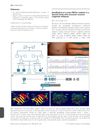
December 2013 in “British Journal of Dermatology” A new gene mutation linked to a skin condition was found in a Spanish family.
January 2022 in “Figshare” lncRNA MTC helps goat skin cells grow and may aid hair growth by controlling proteins linked to cell growth.
78 citations
,
May 2012 in “Journal of Investigative Dermatology” A specific gene mutation causes woolly hair and hair loss.
10 citations
,
October 2018 in “Journal of molecular and cellular cardiology/Journal of Molecular and Cellular Cardiology” The gene NM_026333 slows down aging by affecting the NCX1 pathway and could be targeted for anti-aging treatments.
May 2023 in “Pharmaceuticals” Three specific mutations in the LIPH gene can cause hair loss by damaging the protein's structure and function.
ETS2 is crucial in squamous cell carcinoma development and could be a therapeutic target.
 36 citations
,
January 2021 in “Scientific Reports”
36 citations
,
January 2021 in “Scientific Reports” Key genes and pathways, including Wnt, NF-Kappa, and JAK-STAT, are crucial for starting Pashmina fiber growth in goats.
34 citations
,
October 1975 in “Biochimica et Biophysica Acta (BBA) - Nucleic Acids and Protein Synthesis” 8 citations
,
June 2023 in “Acta Biochimica et Biophysica Sinica” rRSPO1 protein boosts hair growth by activating a key signaling pathway.
January 2026 in “SSRN Electronic Journal” December 2015 in “Endocrinology and Metabolic Syndrome” 34 citations
,
September 2010 in “Clinical and Experimental Dermatology” A new gene mutation linked to KID syndrome was found, expanding genetic knowledge.
January 2002 in “映像情報メディア学会技術報告” Some prostate cancers have gene changes that may affect treatment with certain drugs.
 38 citations
,
April 2017 in “PLOS Genetics”
38 citations
,
April 2017 in “PLOS Genetics” GRHL3 is important for controlling gene activity in skin cells during different stages of their development.

Shh and Dhh affect skin development and can cause tumors, while Ihh does not.
 5 citations
,
March 2019 in “Experimental dermatology”
5 citations
,
March 2019 in “Experimental dermatology” Activating TLR3 may help produce retinoic acid, important for tissue regeneration.
 March 2020 in “Journal of lasers in medical sciences”
 Laser therapy on human skin affects the HERC6 gene and related genes, influencing many cell processes and requiring careful safety measures.
14 citations
,
February 1991 in “FEBS Letters” Introducing the rat OTC gene partially corrected OTC deficiency in mice.
 9 citations
,
November 2019 in “Cell calcium”
9 citations
,
November 2019 in “Cell calcium” The STIM1 R304W mutation in mice leads to bone changes and teeth hair growth.