June 2025 in “British Journal of Dermatology” An AI device for skin cancer was successfully integrated into the NHS, improving diagnosis accuracy and service capacity.
 22 citations
,
November 2018 in “Brazilian Journal of Pharmaceutical Sciences”
22 citations
,
November 2018 in “Brazilian Journal of Pharmaceutical Sciences” New physical methods like electrical currents, ultrasound, and microneedles show promise for improving drug delivery through the skin.
September 2025 in “PubMed” AI can greatly improve skin cancer diagnosis and treatment.
 September 2019 in “Journal of Investigative Dermatology”
 Scientists used stem cells to create a model of the skin disease Epidermolysis Bullosa simplex, which helped them understand its molecular mechanisms and could aid in finding treatments.
48 citations
,
August 2001 in “Experimental dermatology” Researchers created a quick, cost-effective way to make skin-like tissue from hair follicles and fibroblasts.
 January 2024 in “Archives of pharmacy practice”
 The skin is vital for protection, temperature control, fluid balance, immunity, and sensing, with damage affecting daily life and mental health.
27 citations
,
July 1983 in “Journal of Investigative Dermatology” July 2025 in “Journal of Investigative Dermatology” Collagen scaffolds in cell therapy can transform skin to be more resilient and pressure-responsive.
5 citations
,
July 1999 in “Journal of Anatomy” Methylene blue staining effectively reveals detailed nerve structures in rat snouts.
July 2024 in “Journal of Investigative Dermatology” Bioengineered skin models aging well, useful for studying aging and testing treatments.
April 2026 in “Biomaterials” August 1993 in “Journal of Dermatological Science” April 2019 in “Lincoln (University of Nebraska)” The smart bandage improved healing in diabetic wounds better than standard treatments.
 November 2022 in “Journal of Investigative Dermatology”
 Scientists found a new type of skin cell that could help with skin repair and these cells work better with a certain protein.
 January 2024 in “Research Portal Denmark”
 Artificial hair fibers improve drug delivery accuracy through skin models.
 33 citations
,
September 2016 in “British journal of dermatology/British journal of dermatology, Supplement”
33 citations
,
September 2016 in “British journal of dermatology/British journal of dermatology, Supplement” Human hair follicle dermal cells can effectively replace other cells in engineered skin.
1 citations
,
August 2025 in “Frontiers in Bioengineering and Biotechnology” A 3D skin model helps study wound healing better than traditional methods.
69 citations
,
November 2023 in “Heliyon” Future wound dressings will be smart, multifunctional, and improve personalized medicine.
June 2014 in “Experimental dermatology” The epidermis is crucial for hair growth.
A comprehensive human skin cell atlas was created to better understand skin biology and disease.
 April 2018 in “Journal of Investigative Dermatology”
 The conclusion is that a new method combining magnetic tweezers and traction force microscopy may help understand skin cell interactions and diseases.
 June 2017 in “Experimental dermatology”
 Skin has a larger surface area than thought, certain skin cells improve skin flap survival, better trials for skin conditions in children are needed, Stevens-Johnson syndrome rates vary by age and race, and better skin barrier function may reduce inflammation in the elderly.
1 citations
,
April 2013 in “Journal of Investigative Dermatology” 10 citations
,
August 2024 in “Chemical Engineering Journal” The ATAN-Met hydrogel helps heal infected diabetic wounds by promoting tissue regeneration and fighting bacteria.
 41 citations
,
October 2024 in “Nature Communications”
41 citations
,
October 2024 in “Nature Communications” A new wearable LED device helps heal chronic infected wounds at home.
45 citations
,
May 1992 in “Journal of Investigative Dermatology” 47 citations
,
October 2020 in “Communications Biology” Balanced tension in skin is crucial for its structure and function.
 August 2023 in “ACS applied materials & interfaces”
 The patch helps heal minor scald wounds by providing electrical and chemical signals to boost recovery.
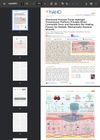
The hydrogel platform speeds up healing in diabetic wounds.
8 citations
,
August 1986 in “Journal of Investigative Dermatology”