July 2021 in “Journal of dermatology & dermatologic surgery” IMTA can help regrow hair in severe alopecia areata when JAK inhibitors don't work well.
13 citations
,
August 2017 in “Journal of Cellular Physiology” PD‐L1 and PD‐L2 may not effectively control immune activation in alopecia areata.
107 citations
,
October 2022 in “Frontiers in Immunology” T cells and inflammation are crucial in atherosclerosis, with anti-inflammatory treatments showing promise.
 November 2022 in “The journal of investigative dermatology/Journal of investigative dermatology”
 TYK2 inhibition may help treat alopecia areata by promoting hair growth and reducing immune response.
42 citations
,
July 2013 in “Gene” IL-4 gene variation may increase the risk of alopecia areata in Turkish people.
 August 2016 in “Journal of Investigative Dermatology”
 Blocking the CCR5 receptor may be a new way to treat hair loss from alopecia areata.
 April 2025 in “International Journal of General Medicine”
 The G allele of IFITM3 rs12252 is linked to more severe COVID-19.
 11 citations
,
March 2013 in “Gene”
11 citations
,
March 2013 in “Gene” A certain genetic variation in the IL1A gene may lower the risk of a hair loss condition in Chinese people.
 September 2017 in “The journal of investigative dermatology/Journal of investigative dermatology”
 Blocking CCR5 can prevent and improve hair loss in alopecia areata.
Mycophenolate mofetil is a good alternative for autoimmune hepatitis patients who can't tolerate azathioprine.
 4 citations
,
July 2025 in “Frontiers in Immunology”
4 citations
,
July 2025 in “Frontiers in Immunology” Early intervention with JAK inhibitors may prevent alopecia areata progression.
 2 citations
,
April 2018 in “Journal of Investigative Dermatology”
2 citations
,
April 2018 in “Journal of Investigative Dermatology” The conclusion is that differentiating wound types in RDEB patients is important for clinical trials and understanding the disease.
 April 2018 in “Journal of Investigative Dermatology”
 Psoriasis patients are willing to pay less than the cost of biologic treatments for remission and don't expect complete or long-term symptom clearance.
 April 2018 in “Journal of Investigative Dermatology”
 Watching, not removing, skin growths with moderate atypia and positive edges is okay; patients may get melanoma elsewhere, especially if they've had it before.
 April 2018 in “Journal of Investigative Dermatology”
 Platelet Rich Plasma can potentially help in restoring hair loss, but more research with larger groups is needed to confirm its effectiveness and standardize its use.
 1 citations
,
December 2004 in “Hepatology”
1 citations
,
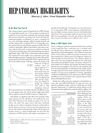
December 2004 in “Hepatology” Tenofovir is more effective than adefovir for resistant hepatitis B, Fibroscan is good for assessing liver damage, regulatory T cells may help hepatitis C persist, and other insights into liver health and disease were found.
2 citations
,
November 1996 in “Transplantation” Injecting recipient splenocytes into donors' thymus can prevent graft-versus-host disease.
 December 2023 in “Research Square (Research Square)”
 These specific gene polymorphisms are not linked to Alopecia Areata in Egyptians.
 April 2021 in “Journal of Investigative Dermatology”
 IL-15 helps protect hair follicles from immune attacks and encourages hair growth.
October 2025 in “Pharmaceuticals” Auranofin shows promise as a cancer treatment, especially when combined with other therapies.
 July 2024 in “Egyptian Journal of Medical Human Genetics”
 These gene variations are not linked to alopecia areata in Egyptians.
 2 citations
,
October 2022 in “The journal of investigative dermatology/Journal of investigative dermatology”
2 citations
,
October 2022 in “The journal of investigative dermatology/Journal of investigative dermatology” AIRE deficiency causes hair loss similar to alopecia areata in mice.
 December 2025 in “Cureus”
 Higher IL-17A and IL-23 levels are linked to alopecia areata severity and could help in tracking and treating the disease.
12 citations
,
January 2018 in “Journal of Clinical Laboratory Analysis” Certain IL-18 gene variations may increase the risk of alopecia areata.
 April 2018 in “Journal of Investigative Dermatology”
 The role of γδT-cells in causing alopecia areata remains unclear.
23 citations
,
September 2020 in “Journal of Dermatological Science” Targeting Vδ1+T-cells may help treat alopecia areata.
 1 citations
,
April 2024 in “Journal of Autoimmunity”
1 citations
,
April 2024 in “Journal of Autoimmunity” Interleukin-15 can help hair growth and protect hair follicles.
 33 citations
,
December 2005 in “Archives of dermatology”
33 citations
,
December 2005 in “Archives of dermatology” Alefacept showed some effectiveness for alopecia areata but needs more research.
 253 citations
,
April 2014 in “Drugs”
253 citations
,
April 2014 in “Drugs” Teriflunomide helps reduce multiple sclerosis symptoms and is safe for most patients.
4 citations
,
July 2025 in “International Journal of Molecular Sciences” Targeting amphiregulin may improve treatment for fibrosis and cancer.