2 citations
,
February 2024 in “Medicine” A mutation in the IL2RA gene increases the risk of alopecia areata.
1 citations
,
July 2025 in “Journal of Investigative Dermatology” IL-27 may help prevent hair loss by creating immune-suppressing cells.
Tofacitinib and low-dose IL-2 may help maintain hair regrowth in alopecia areata without ongoing treatment.
 December 2024 in “Kufa Medical journal”
 Higher levels of IL-17A and IL-2 are linked to alopecia areata.
 36 citations
,
June 2014 in “Experimental Neurology”
36 citations
,
June 2014 in “Experimental Neurology” Teriflunomide is an effective and generally safe oral treatment for relapsing MS, reducing relapses and slowing disability progression.
22 citations
,
September 2020 in “The journal of investigative dermatology/Journal of investigative dermatology” The study's results on the effectiveness of low-dose IL-2 for alopecia areata and its impact on immune cells were not provided.
23 citations
,
January 2016 in “Frontiers in immunology” Using low-dose IL-2 to increase regulatory T cells might be a safe way to treat type 1 diabetes without severe side effects.
July 2022 in “Journal of Investigative Dermatology” Inhibiting TYK2 can restore hair growth in alopecia areata.
May 2024 in “The Journal of Immunology” IL-27 can prevent hair loss in alopecia areata.
July 2025 in “Journal of Investigative Dermatology” Enhancing Tregs can protect against alopecia areata.
April 2019 in “Journal of Investigative Dermatology” Blocking LFA-1 prevents hair loss in mice.
 100 citations
,
November 2021 in “Cell Research”
100 citations
,
November 2021 in “Cell Research” Cepharanthine and Trifluoperazine are effective against SARS-CoV-2.
April 2023 in “The Egyptian Journal of Hospital Medicine” Higher Interleukin 17A levels may indicate more severe alopecia areata.
 123 citations
,
September 1987 in “JAMA”
123 citations
,
September 1987 in “JAMA” IL-2 treatment causes skin eruptions and other reversible side effects, and may play a role in psoriasis.
March 2025 in “European Journal of Medical Genetics” Tofacitinib helped improve symptoms and hair growth in a patient with Aicardi-Goutières syndrome.
 1 citations
,
May 2022 in “Frontiers in Pharmacology”
1 citations
,
May 2022 in “Frontiers in Pharmacology” Astilbin can potentially calm overactive immune responses, like in Type 1 Diabetes, by suppressing certain cell activities and reducing inflammation.
 October 2021 in “Dermatology Reports”
 Higher IL-17A levels indicate more severe alopecia areata.
January 2025 in “Journal of Investigative Dermatology” July 2025 in “Journal of Investigative Dermatology” Candida auris uses the immune response to colonize hair follicles.
 November 2023 in “The journal of investigative dermatology/Journal of investigative dermatology”
 ARQ-234, a protein designed to treat atopic dermatitis, shows increased effectiveness in early testing.
 8 citations
,
October 2019 in “Immunological investigations”
8 citations
,
October 2019 in “Immunological investigations” The AIRE gene variant rs2075876 is linked to a higher risk of alopecia areata in males.
 May 2024 in “Frontiers in Immunology”
 Type-2 immunity may influence skin diseases and could be targeted for treatment.
March 2005 in “Journal of the American Academy of Dermatology” Higher levels of IL-1a and IL-1RA were found in severe alopecia areata cases.
86 citations
,
December 2002 in “Tissue Antigens” A specific gene change is linked to severe hair loss.
 July 2022 in “Journal of Investigative Dermatology”
 IL-15 helps maintain hair growth and protects the immune status of hair follicles.
March 2026 in “JID Innovations” Aire mutation reduces alopecia areata, while Notch4 mutation prevents it in mice.
 32 citations
,
January 2012 in “Clinical & Developmental Immunology”
32 citations
,
January 2012 in “Clinical & Developmental Immunology” Targeting CD200 could be a new treatment for rheumatoid arthritis.
 16 citations
,
April 2014 in “Expert Opinion on Pharmacotherapy”
16 citations
,
April 2014 in “Expert Opinion on Pharmacotherapy” Teriflunomide is an effective and safe first-line oral treatment for relapsing multiple sclerosis.
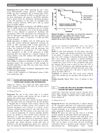 April 2019 in “Abstracts”
 Adding colchicine stopped the girl's recurring heart issues caused by lupus.
1 citations
,
August 2021 in “Journal of Investigative Dermatology” ASLAN004 was safe and well-tolerated, supporting further development for treating certain diseases.