 2 citations
,
December 2020 in “American Journal of Dermatological Research and Reviews”
2 citations
,
December 2020 in “American Journal of Dermatological Research and Reviews” The combination therapy was effective and well-tolerated, especially in young patients.
 November 2023 in “The journal of investigative dermatology/Journal of investigative dermatology”
 ARQ-234, a protein designed to treat atopic dermatitis, shows increased effectiveness in early testing.
July 2025 in “Journal of Investigative Dermatology” Leflunomide may reduce the risk of alopecia areata, while methotrexate, cyclosporine, and rituximab may increase it.
1 citations
,
April 2018 in “Journal of Investigative Dermatology” Simvastatin helps hair regrowth in autoimmune alopecia by directly affecting T cells.
June 2025 in “British Journal of Dermatology” Dual-targeting therapies like Janus kinase inhibitors may treat both alopecia areata and other immune diseases.
 100 citations
,
November 2021 in “Cell Research”
100 citations
,
November 2021 in “Cell Research” Cepharanthine and Trifluoperazine are effective against SARS-CoV-2.
 July 2023 in “Skin Research and Technology”
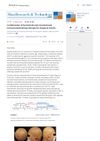
 Baricitinib combined with other immune therapies may safely and effectively treat severe scalp hair loss.
 5 citations
,
June 2022 in “Frontiers in immunology”
5 citations
,
June 2022 in “Frontiers in immunology” Increasing Treg cells in the skin does not cure hair loss from alopecia areata in mice.

Baricitinib helped treat a man's beard hair loss when steroids didn't work.
September 2017 in “Griffith Research Online (Griffith University, Queensland, Australia)” Blocking IL-17 can reduce joint inflammation in Ross River Virus infections.
1 citations
,
April 2017 in “Journal of Investigative Dermatology” Abatacept may help some people with alopecia areata regrow hair.
1 citations
,
July 2025 in “Journal of Investigative Dermatology” IL-27 may help prevent hair loss by creating immune-suppressing cells.
28 citations
,
December 2001 in “European Journal of Pharmacology” M50054 may help treat hepatitis and hair loss from chemotherapy.
25 citations
,
October 2010 in “Journal of Hepatology” Budesonide alone is less effective than standard treatment for autoimmune hepatitis.
November 2025 in “JEADV Clinical Practice” Leflunomide may lower alopecia areata risk, while other immunomodulators might increase it.
 May 2024 in “Frontiers in Immunology”
 Type-2 immunity may influence skin diseases and could be targeted for treatment.
 January 2025 in “Skin Health and Disease”
 Baricitinib may effectively treat both alopecia areata and immune thrombocytopenia.
August 2024 in “British Journal of Dermatology” Rezpegaldesleukin shows promise for treating severe alopecia areata.
November 2025 in “Journal of Investigative Dermatology” BTNL2 helps protect hair follicles from immune attacks.
16 citations
,
June 2018 in “JAAD case reports” A JAK inhibitor improved both severe hair loss and chronic skin disease in one patient.
 11 citations
,
October 2018 in “Pediatric dermatology”
11 citations
,
October 2018 in “Pediatric dermatology” Leflunomide and anthralin may effectively treat severe alopecia areata.
 January 2018 in “Practical diabetes”
 Leflunomide is effective for rheumatoid arthritis but has significant side effects.
 February 2025 in “PubMed”
 CS12192 effectively treats alopecia areata with better safety than current options.
Amotosalen-treated donor T-cells can prevent late CMV infection after bone marrow transplants.
July 2024 in “Journal of Investigative Dermatology” PH-762 shows promise in treating skin cancer by effectively targeting and silencing PD-1 in tumors with minimal side effects.
June 2025 in “Revista Foco” JAK inhibitors effectively treat severe alopecia areata with manageable side effects.
 July 2025 in “Russian Journal of Clinical Dermatology and Venereology”
 Tofacitinib may help hair regrowth in familial alopecia areata with immune issues, but more research is needed.
 February 2026 in “Frontiers in Immunology”
 Ivarmacitinib significantly improved hair regrowth in severe alopecia areata after tofacitinib was less effective.
 April 2019 in “The journal of investigative dermatology/Journal of investigative dermatology”
 Machine learning can predict how well patients with alopecia areata will respond to certain treatments.
3 citations
,
January 2011 in “Yearbook of Dermatology and Dermatologic Surgery”