2 citations
,
February 2024 in “Medicine” A mutation in the IL2RA gene increases the risk of alopecia areata.
35 citations
,
March 2010 in “Journal of Dermatological Science” Ebastine may help regrow hair in alopecia areata patients.
 1 citations
,
September 2023 in “Journal of the American Academy of Dermatology”
1 citations
,
September 2023 in “Journal of the American Academy of Dermatology” Baricitinib significantly improves hair regrowth in severe alopecia areata.
 August 2016 in “Journal of Investigative Dermatology”
 Blocking the CCR5 receptor may be a new way to treat hair loss from alopecia areata.
April 2026 in “Health care of Tajikistan” Combined therapy reduces inflammation and restores immune balance in alopecia areata patients.
 January 2026 in “Food Science and Human Wellness”
 Flammulina velutipes polysaccharide helps the immune system fight tumors by activating certain pathways.
 1 citations
,
April 2018 in “Journal of Investigative Dermatology”
1 citations
,
April 2018 in “Journal of Investigative Dermatology” Tofacitinib helped most patients with alopecia areata regrow hair and changes in immune cells were linked to the treatment's effectiveness.
 4 citations
,
September 2022 in “Journal of The American Academy of Dermatology”
4 citations
,
September 2022 in “Journal of The American Academy of Dermatology” Baricitinib was effective in regrowing hair in patients with different levels of alopecia areata severity.
2 citations
,
July 2022 in “The Kaohsiung Journal of Medical Sciences” FTY720 helps transplanted fat survive better by reducing immune rejection and improving blood vessel growth.
November 2022 in “Journal of Investigative Dermatology” Statins may help treat alopecia areata by reducing harmful immune interactions.
January 2007 in “Frontiers in Medicine” Tofacitinib works well for treating alopecia areata, especially when combined with corticosteroids, but is less effective if the disease has lasted over 2 years.
 2 citations
,
February 2018 in “InTech eBooks”
2 citations
,
February 2018 in “InTech eBooks” TNF-alpha inhibitors can cause various immune-related skin issues.
 April 2020 in “Trends in Immunotherapy”
 Combining triamcinolone acetonide and immunotherapy can help regrow hair in some alopecia totalis patients.
March 2014 in “The Journal of Urology” Finasteride increases CD8+ T cells in BPH tissues.
 December 2022 in “bioRxiv (Cold Spring Harbor Laboratory)”
 The new vaccine platform led to a stronger immune response and better protection against the flu than the traditional vaccine.
 1 citations
,
August 2021 in “Journal of The American Academy of Dermatology”
1 citations
,
August 2021 in “Journal of The American Academy of Dermatology” Baricitinib helped improve hair, eyebrow, and eyelash growth in alopecia areata patients.
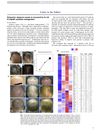 68 citations
,
November 2015 in “The Journal of Allergy and Clinical Immunology”
68 citations
,
November 2015 in “The Journal of Allergy and Clinical Immunology” Blocking IL-12/IL-23p40 helped reverse severe hair loss in patients.
 4 citations
,
July 2008 in “British journal of dermatology/British journal of dermatology, Supplement”
4 citations
,
July 2008 in “British journal of dermatology/British journal of dermatology, Supplement” Poor response to topical immunotherapy in alopecia areata patients is linked to impaired cell responses.
 November 2020 in “Journal of The American Academy of Dermatology”
 Certain immune markers may predict chemotherapy response in mesothelioma, and nivolumab is a tolerable and effective treatment for advanced non-small cell lung cancer.
3 citations
,
October 2018 in “Journal of Mind and Medical Sciences” Biological therapy boosts the immune system to effectively fight melanoma.
November 2022 in “Chinese Journal of Dermatology” Allergies, especially dust mite allergy, may worsen alopecia areata, and desensitization could help reduce its severity.
 September 2017 in “The journal of investigative dermatology/Journal of investigative dermatology”
 Blocking CCR5 can prevent and improve hair loss in alopecia areata.
5 citations
,
September 2020 in “Proceedings - Baylor University. Medical Center” Tofacitinib successfully treated a woman's severe symptoms from a rare autoimmune condition.
January 1975 in “NJEA Review” The drug showed promise in treating renal cell carcinoma with manageable side effects.
 October 2004 in “Australian Prescriber”
 Agalsidase alfa helps treat Fabry's disease but needs more research for long-term benefits.
 23 citations
,
January 2009 in “Veterinary Dermatology”
23 citations
,
January 2009 in “Veterinary Dermatology” The hepatitis B vaccine did not cause hair loss in the tested mice.
 March 2010 in “Anti-inflammatory & anti-allergy agents in medicinal chemistry”
 Biologic agents can be effective for rheumatic diseases but have risks like infections and require careful monitoring and patient information.
 April 2018 in “The journal of investigative dermatology/Journal of investigative dermatology”
 miR-486 may help prevent hair loss in alopecia areata.
 5 citations
,
January 2021 in “Inflammatory Bowel Diseases”
5 citations
,
January 2021 in “Inflammatory Bowel Diseases” Tofacitinib improved ulcerative colitis, skin ulcers, and hair loss in a patient who didn't respond well to other treatments.
 April 2023 in “Tikrit Journal of Pharmaceutical Sciences”
 Deferasirox effectively reduces iron overload in ß-thalassemia patients but may cause some manageable side effects.