 10 citations
,
September 2014 in “European Journal of Dermatology”
10 citations
,
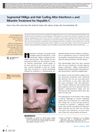
September 2014 in “European Journal of Dermatology” A woman's hair loss worsened after starting hepatitis C treatment due to immune changes in her hair follicles.
 May 1992 in “Reactions Weekly”
 Some patients lost hair after taking interferon alpha 2B, but it improved for some while still on the treatment and for others after stopping it.
 14 citations
,
January 2006 in “Skinmed”
14 citations
,
January 2006 in “Skinmed” A woman developed white patches on her skin and curly hair after hepatitis C treatment, likely due to the medication interferon alpha.
 32 citations
,
December 2018 in “Cytokine”
32 citations
,
December 2018 in “Cytokine” Type I interferons play a key role in the development of various skin diseases.
 17 citations
,
February 2011 in “Expert Opinion on Drug Safety”
17 citations
,
February 2011 in “Expert Opinion on Drug Safety” Manage side effects of hepatitis C treatment with dose changes and medications, which may improve patient adherence and treatment success.
 27 citations
,
August 2010 in “Clinics in Dermatology”
27 citations
,
August 2010 in “Clinics in Dermatology” Hepatitis C virus can cause skin diseases and dermatologists play a crucial role in identifying these conditions.
 39 citations
,
May 2004 in “Clinics in Dermatology”
39 citations
,
May 2004 in “Clinics in Dermatology” The document concludes that treatment for cutaneous T-cell lymphoma should be customized to each patient's disease stage, balancing benefits and side effects, with no cure but many patients living long lives.
 25 citations
,
March 2019 in “Dermatologic therapy”
25 citations
,
March 2019 in “Dermatologic therapy” Intralesional therapy for keratoacanthoma is effective and has fewer side effects than systemic treatments.
 21 citations
,
April 2010 in “Molecular Medicine Reports”
21 citations
,
April 2010 in “Molecular Medicine Reports” Zinc supplementation may help improve treatment outcomes for chronic hepatitis C.
 16 citations
,
August 2002 in “Journal of Interferon and Cytokine Research”
16 citations
,
August 2002 in “Journal of Interferon and Cytokine Research” A man developed excessive hair growth after treatment with interferon-alpha and ribavirin for hepatitis C.
 8 citations
,
December 2013 in “Journal of Investigative Dermatology Symposium Proceedings”
8 citations
,
December 2013 in “Journal of Investigative Dermatology Symposium Proceedings” Hepatitis C treatment may trigger complete hair loss, especially in those with a history of patchy hair loss, but hair usually grows back within a year.
 July 1988 in “Journal of The American Academy of Dermatology”
 Various dermatologic treatments were effective for skin conditions like acne, rosacea, hair loss, and psoriasis from December 1986 to December 1987.
 January 2014 in “대한피부과학회지”
 A hepatitis B patient lost hair in patches after starting and stopping a treatment with pegylated interferon alpha2a.
 11 citations
,
October 2001 in “Dermatologic Clinics”
11 citations
,
October 2001 in “Dermatologic Clinics” The document concludes that DAB389-IL2 is promising for treating refractory cutaneous T-cell lymphoma, but more research is needed on its effectiveness and side effect management.
24 citations
,
July 2005 in “Journal of the American Academy of Dermatology” A woman's eyelashes grew thicker and longer after taking topiramate, but returned to normal when she stopped the medication.
 34 citations
,
April 2008 in “Journal of the European Academy of Dermatology and Venereology”
34 citations
,
April 2008 in “Journal of the European Academy of Dermatology and Venereology” Skin problems like itching, dry skin, and hair loss are more common in hepatitis C patients after interferon treatment, but lichen planus is not linked to the infection.
 41 citations
,
August 2007 in “European Journal of Gastroenterology & Hepatology”
41 citations
,
August 2007 in “European Journal of Gastroenterology & Hepatology” A woman's total hair loss from hepatitis C treatment grew back after stopping the medication.
 27 citations
,
April 2005 in “Journal of Chemotherapy”
27 citations
,
April 2005 in “Journal of Chemotherapy” Some patients may experience temporary total hair loss from hepatitis C treatment with PEG-interferon and ribavirin.
 22 citations
,
April 1998 in “Dermatologic Clinics”
22 citations
,
April 1998 in “Dermatologic Clinics” Interferons are effective for some skin conditions and cancers, but can have side effects and need more research for optimal use.
 6 citations
,
October 2016 in “Journal of Chemotherapy”
6 citations
,
October 2016 in “Journal of Chemotherapy” A man lost all his hair as a rare side effect after hepatitis C treatment.
 2 citations
,
March 2015 in “Hepatitis Monthly”
2 citations
,
March 2015 in “Hepatitis Monthly” A woman's hair loss during Hepatitis C treatment with PEG-INF-a-2a and Ribavirin was reversible after stopping the medication.
 January 2011 in “Annals of dermatology/Annals of Dermatology”
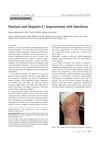
 A woman's psoriasis improved after hepatitis C treatment with interferon, despite interferon's risk of worsening skin conditions.
 284 citations
,
November 1999 in “Neurology”
284 citations
,
November 1999 in “Neurology” The article suggests managing interferon beta therapy side effects in MS with dose adjustments, medications, and patient education.
 52 citations
,
March 2010 in “British Journal of Dermatology”
52 citations
,
March 2010 in “British Journal of Dermatology” Alopecia areata shows a unique type 1 interferon signature, suggesting potential treatment by targeting this pathway.
March 2016 in “International Journal of Infectious Diseases” Peginterferon alpha-2a effectively treats acute hepatitis C in hemodialysed patients, despite some side effects.
 April 2021 in “Anatolian current medical journal :”
 A patient developed hair loss after hepatitis C treatment with sofosbuvir and ribavirin.
 191 citations
,
May 2018 in “British journal of dermatology/British journal of dermatology, Supplement”
191 citations
,
May 2018 in “British journal of dermatology/British journal of dermatology, Supplement” Alopecia areata is likely an autoimmune disease with unclear triggers, involving various immune cells and molecules, and currently has no cure.
64 citations
,
January 2009 in “Canadian Journal of Gastroenterology” Interferon and ribavirin can cause serious skin reactions and other health issues.
 19 citations
,
October 1994 in “Tumori Journal”
19 citations
,
October 1994 in “Tumori Journal” As of 1994, treatments for liver cancer had not significantly improved patient survival.
 July 2018 in “Elsevier eBooks”
 Some drugs can cause reversible hair loss, but certain chemotherapy drugs may lead to permanent hair loss; drugs can also change hair color and texture.