 1 citations
,
April 2024 in “Journal of Autoimmunity”
1 citations
,
April 2024 in “Journal of Autoimmunity” Interleukin-15 can help hair growth and protect hair follicles.
June 2026 in “Immunity Inflammation and Disease” Dandruff involves inflammation and increased skin cell growth, not just flaking.
 138 citations
,
July 2015 in “Clinical, Cosmetic and Investigational Dermatology”
138 citations
,
July 2015 in “Clinical, Cosmetic and Investigational Dermatology” Eating less sugar, milk, and saturated fats and more vegetables and fish may help treat and prevent acne.
 69 citations
,
September 2006 in “Human Reproduction”
69 citations
,
September 2006 in “Human Reproduction” Women with PCOS have fewer activated T cells in their ovarian follicles, which might affect fertility.
 49 citations
,
December 2018 in “Journal of Investigational Allergology and Clinical Immunology”
49 citations
,
December 2018 in “Journal of Investigational Allergology and Clinical Immunology” Dupilumab may cause hair loss in some patients with severe atopic dermatitis.
 22 citations
,
March 2017 in “Scientific reports”
22 citations
,
March 2017 in “Scientific reports” Double-stranded RNA causes inflammation in hair follicle cells, which may help understand and treat alopecia areata.
 4 citations
,
July 2017 in “Archivum Immunologiae et Therapiae Experimentalis”
4 citations
,
July 2017 in “Archivum Immunologiae et Therapiae Experimentalis” Retinol may affect immune responses in people with frequent skin boils.
 January 2019 in “Springer eBooks”
 Acne is linked to inflammation and insulin resistance, and is associated with various syndromes that require different treatments.
 89 citations
,
October 1996 in “Dermatologic Clinics”
89 citations
,
October 1996 in “Dermatologic Clinics” Alopecia areata is likely caused by a combination of genetic factors and immune system dysfunction, and may represent different diseases with various causes.
 48 citations
,
January 2000 in “Hormone Research in Paediatrics”
48 citations
,
January 2000 in “Hormone Research in Paediatrics” Cytokines and neuropeptides are key in controlling androgen levels, affecting skin and hair conditions.
 37 citations
,
October 2017 in “Clinical and Experimental Dermatology”
37 citations
,
October 2017 in “Clinical and Experimental Dermatology” Oral tofacitinib shows promise in treating atopic dermatitis and alopecia areata, but only slight improvement in vitiligo.
34 citations
,
January 2022 in “Frontiers in Immunology” IL-25 helps heal diabetic wounds by improving blood vessel and skin cell functions.
 32 citations
,
December 2009 in “Archives of Dermatological Research”
32 citations
,
December 2009 in “Archives of Dermatological Research” Dihydrotestosterone increases certain inflammatory signals in skin cells, potentially contributing to acne.
31 citations
,
October 2002 in “Journal of Investigative Dermatology” IL-10 may worsen alopecia areata instead of helping it.
 23 citations
,
December 2021 in “Frontiers in Immunology”
23 citations
,
December 2021 in “Frontiers in Immunology” IL-1 family cytokines are crucial for skin defense and healing, but their imbalance can cause skin diseases.
 22 citations
,
March 2018 in “American Journal of Clinical Dermatology”
22 citations
,
March 2018 in “American Journal of Clinical Dermatology” New acne treatments show promise as alternatives to traditional therapies.
 20 citations
,
November 2019 in “Current Opinion in Systems Biology”
20 citations
,
November 2019 in “Current Opinion in Systems Biology” The document concludes that computational models are useful for understanding immune responses and could improve cancer immunotherapy.
 20 citations
,
November 2005 in “Journal of Investigative Dermatology Symposium Proceedings”
20 citations
,
November 2005 in “Journal of Investigative Dermatology Symposium Proceedings” IFN-γ and IL-2 are important for T cell activation in hair loss in mice.
 16 citations
,
January 2018 in “International Journal of Trichology”
16 citations
,
January 2018 in “International Journal of Trichology” Minoxidil may help treat hair loss by reducing inflammation-related gene activity in skin cells.
 15 citations
,
January 2019 in “Mediators of inflammation”
15 citations
,
January 2019 in “Mediators of inflammation” Aloe vera fermentation helps heal burns faster by reducing inflammation and changing gut bacteria.
14 citations
,
November 2019 in “Mediators of inflammation” IL-6 from stem cells helps repair skin and grow hair.
10 citations
,
November 2024 in “Cureus” Women with PCOS have a higher risk of heart disease due to factors like insulin resistance and obesity.
 9 citations
,
April 2016 in “Australasian journal of dermatology”
9 citations
,
April 2016 in “Australasian journal of dermatology” Combining imiquimod with diphenylcyclopropenone may improve treatment outcomes for alopecia areata patients who don't respond to diphenylcyclopropenone alone.
 6 citations
,
August 2013 in “Joint Bone Spine”
6 citations
,
August 2013 in “Joint Bone Spine” Tocilizumab treatment was associated with significant hair regrowth in one patient and temporary hair loss followed by regrowth in another.
 3 citations
,
September 2023 in “Frontiers in immunology”
3 citations
,
September 2023 in “Frontiers in immunology” Chronic inflammatory skin diseases are caused by disrupted interactions between skin cells and immune cells.
 3 citations
,
December 2021 in “Dermatology reports”
3 citations
,
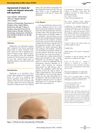
December 2021 in “Dermatology reports” Dupilumab can improve both atopic dermatitis and alopecia universalis.
 3 citations
,
March 2020 in “International Journal of Dermatology”
3 citations
,
March 2020 in “International Journal of Dermatology” Tildrakizumab showed limited effectiveness in treating chronic alopecia areata in a small group of patients.
 3 citations
,
April 2019 in “The journal of investigative dermatology/Journal of investigative dermatology”
3 citations
,
April 2019 in “The journal of investigative dermatology/Journal of investigative dermatology” ILC1 cells contribute to hair loss in alopecia areata.
 3 citations
,
July 1996 in “Clinics in Dermatology”
3 citations
,
July 1996 in “Clinics in Dermatology” Cytokines are important for immune responses and treating diseases, but they can cause side effects like fever and skin issues.
 2 citations
,
November 2024 in “Clinical Cosmetic and Investigational Dermatology”
2 citations
,
November 2024 in “Clinical Cosmetic and Investigational Dermatology” Higher BMI may increase the risk of psoriasis and some other skin diseases.