2 citations
,
October 2023 in “Cancer Reports” Mitochondrial features can predict colorectal cancer outcomes and improve immunotherapy.
2 citations
,
October 2023 in “Frontiers in Public Health” Addressing psychosocial symptoms can improve outcomes for people with Hidradenitis Suppurativa.
 June 2026 in “JAAD reviews.”
 Low-dose oral minoxidil may help with various hair loss types, but more research is needed.
The model accurately predicts hair loss severity in alopecia areata.

Apraglutide and N-acetylcysteine (NAC) show promise in reducing cytarabine's harmful effects on organs.
The model predicts minoxidil's effectiveness and side effects better than traditional methods.
 January 2025 in “PLoS ONE”
 ING5 is crucial for stem cell maintenance and preventing certain cancers.
4 citations
,
March 2024 in “Forensic Sciences Research” Forensic DNA phenotyping faces challenges like inconsistent terms and limited genetic knowledge.
 December 2019 in “Medicina estética”
 Dermoscopy is underused in aesthetic medicine, but it increases diagnosis confidence; more training is needed.
 December 2019 in “Medicina estética”
 Dermoscopy is underused in aesthetic medicine, but it increases diagnostic confidence, and professionals need more training.
October 2025 in “Burns & Trauma” Engineered probiotics can help heal wounds faster, especially in diabetic foot ulcers.
 29 citations
,
October 2020 in “eLife”
29 citations
,
October 2020 in “eLife” Higher testosterone levels can increase the risk of certain diseases like type 2 diabetes in women and prostate cancer in men, but can also protect against autoimmune diseases and hair loss. It also affects body fat and bone density.
15 citations
,
May 2023 in “Aesthetic Surgery Journal” Researchers should follow the FACE-Q User's Guide for accurate results.
6 citations
,
July 2023 in “JAAD International” Rosacea patients often discuss treatments and emotional struggles online, highlighting the need for professional support.
 6 citations
,
August 2022 in “The Italian Journal of Pediatrics/Italian journal of pediatrics”
6 citations
,
August 2022 in “The Italian Journal of Pediatrics/Italian journal of pediatrics” New genetic mutations linked to rare skin disorders were found in three newborns.
5 citations
,
May 2022 in “Clinical & Experimental Metastasis” Minoxidil and ranolazine together can reduce the spread of certain breast cancer cells.
4 citations
,
December 2024 in “Protein & Cell” MultiKano accurately identifies cell types in complex data better than existing methods.
 2 citations
,
September 2020
2 citations
,
September 2020 Long-term high testosterone levels can improve bone density and reduce body fat but may increase the risk of prostate cancer and high blood pressure.
1 citations
,
June 2025 in “Frontiers in Genetics” Key genes IRF2BP2 and EGFR are linked to Hetian sheep's double-coat fleece.
 1 citations
,
December 2024 in “Qeios”
1 citations
,
December 2024 in “Qeios” Hair loss affects attractiveness but can suggest intelligence, and face perception is complex, involving factors like age and smile.
 June 2026 in “Frontiers in Medicine”
 Hair-loss trials have increased, but need more diverse participants and standardized measures.
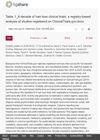
More hair-loss studies are needed with standardized outcomes and diverse participants.
September 2025 in “International Journal of Medical Informatics” A machine learning model can predict scarring in lichen planopilaris using factors like vitamin D levels and diagnostic delay.
July 2025 in “PNAS Nexus” A new tool accurately identifies human cornea cell states and key factors.
The supplement may reduce hair shedding but needs more research for skin benefits.
October 2025 in “Cosmetics” Genetic insights can lead to personalized treatments for acne, androgenetic alopecia, and alopecia areata.
A new method allows detailed tracking of cell regeneration in crustacean legs.
CCC1 is essential for pH balance and normal cell function in plants.
CCC1 is essential for ion balance and proper plant cell function.
 April 2023 in “Journal of Investigative Dermatology”
 The improved EczemaNet more reliably and clearly identifies and assesses the severity of atopic dermatitis from photos.