 6 citations
,
July 2013 in “Archives of Plastic Surgery”
6 citations
,
July 2013 in “Archives of Plastic Surgery” Using thigh skin, doctors successfully rebuilt a woman's scalp after removing a large tumor, with no tumor return after 8 months.
 82 citations
,
January 2002 in “Journal of drug targeting”
82 citations
,
January 2002 in “Journal of drug targeting” Drugs penetrate scalp skin better than abdominal skin, with scalp hair follicles aiding in higher drug delivery.
 1 citations
,
February 2015 in “Clinical and Experimental Dermatology”
1 citations
,
February 2015 in “Clinical and Experimental Dermatology” A man got six skin cancers within a year after a cell transplant for leukemia but was cancer-free 32 months later; skin checks are important post-transplant.
20 citations
,
August 2005 in “Journal of Cutaneous Medicine and Surgery” Hair transplant for eyebrow alopecia areata provided significant relief and improved treatment response.
41 citations
,
January 2006 in “Dermatology” Noncultured epidermal cell transplantation is effective for repigmenting stable vitiligo.
March 1996 in “The American Journal of Cosmetic Surgery” The technique offers natural-looking hair transplants with minimal bleeding.
May 2025 in “Arquivos Catarinenses de Medicina” Fat micrografting improves hair transplant success in burn-related hair loss.
May 2025 in “Drug Delivery and Translational Research”  October 2023 in “Journal of cosmetic dermatology”
 Timely treatment and prevention are crucial to avoid serious complications in hair transplants.
Keratinocytes grew and migrated into hair follicle areas but disappeared after 15-20 days.
 7 citations
,
January 2017 in “International Journal of Trichology”
7 citations
,
January 2017 in “International Journal of Trichology” Hair transplant can cause hard-to-treat keloids in some patients.
 15 citations
,
February 2011 in “Journal of Tissue Engineering and Regenerative Medicine”
15 citations
,
February 2011 in “Journal of Tissue Engineering and Regenerative Medicine” The best method for transplanting skin cells to regenerate hair follicles is the Hemi-vascularized sandwich method, as it produces more mature follicles and promotes hair growth.
 November 1994 in “The Journal of Dermatologic Surgery and Oncology”
 Thousand-graft hair transplants offer better coverage and look more natural but have concerns about graft survival and cosmetic risks.
 9 citations
,
September 2019 in “Clinical, Cosmetic and Investigational Dermatology”
9 citations
,
September 2019 in “Clinical, Cosmetic and Investigational Dermatology” Using a patient's own fat tissue helped treat hair loss caused by an injury.
 September 2018 in “Journal of Investigative Dermatology”
 Non-white organ transplant patients have worse skin cancer outcomes due to later diagnosis and treatment.
 May 2018 in “European Journal of Dermatology”
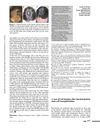
 Adjusting the medication tacrolimus resolved a boy's red nail beds after a stem cell transplant.
3 citations
,
March 2016 in “Practical radiation oncology” Total skin electron therapy is an effective treatment for mycosis fungoides, balancing effectiveness and side effects.
1 citations
,
August 2019 in “Chinese Medical Journal” A man developed facial skin lesions after a stem cell transplant, which improved with specific treatments.
July 2024 in “Journal of Investigative Dermatology” Targeting TCR-Vβ2 in cutaneous T cell lymphoma shows promise for safer, more specific treatment.
 33 citations
,
January 1991 in “The Journal of Dermatologic Surgery and Oncology”
33 citations
,
January 1991 in “The Journal of Dermatologic Surgery and Oncology” Incisional slit grafting for hair transplantation gives natural-looking results and has a high success rate.
 14 citations
,
January 2021 in “Scientific Reports”
14 citations
,
January 2021 in “Scientific Reports” Using micro skin tissue columns improves skin wound healing and reduces scarring.
October 2025 in “Dermatologic Surgery” Twisted hair follicles can survive transplantation as well as intact ones.
100 citations
,
July 2006 in “British Journal of Dermatology” Triamcinolone acetonide injections help hair regrow quickly in mild alopecia but not in severe cases.
 6 citations
,
January 2010 in “Actas Dermo-Sifiliográficas”
6 citations
,
January 2010 in “Actas Dermo-Sifiliográficas” Follicular Unit Hair Transplantation has become a less invasive procedure with natural results, suitable for certain adults with hair loss.
Since 1995, we only use Follicular Unit Transplantation for hair restoration and stopped using minigrafting/micrografting techniques.
 2 citations
,
August 2011 in “Dermatologic Surgery”
2 citations
,
August 2011 in “Dermatologic Surgery” Small micropunches for hair transplants can increase density but may cause more bleeding and longer healing.
 December 2016 in “Journal of Dermatology and Dermatologic Surgery”
 IFHUT shows better hair growth than FUE, but needs improvements in positioning, speed, and accuracy.
 21 citations
,
February 2017 in “Dermatologic surgery”
21 citations
,
February 2017 in “Dermatologic surgery” Different techniques for vitiligo treatment work similarly well, with some better for specific body areas.
Transplanting beard hair into a scalp wound after hair transplant surgery improves scar appearance and hair keeps its normal traits.
11 citations
,
March 2023 in “Stem Cell Research & Therapy” Epidermal stem cells improve skin graft survival by promoting early blood vessel formation.