May 2026 in “Animal Bioscience” m6A-circHECA helps stem cells become hair follicles in cashmere goats.
February 2024 in “International journal of molecular sciences” Type 3 Innate Lymphoid Cells help maintain skin health and balance, and are involved in skin diseases and healing.
 August 2025 in “Frontiers in Immunology”
 Bullous pemphigoid, intrahepatic cholangiocarcinoma, and alopecia areata may share immune-related causes.
 208 citations
,
July 2001 in “Journal of The American Academy of Dermatology”
208 citations
,
July 2001 in “Journal of The American Academy of Dermatology” Pregnancy can cause various skin changes and diseases, with PUPPP being the most common skin condition specific to pregnancy.
 13 citations
,
January 2013 in “Our Dermatology Online”
13 citations
,
January 2013 in “Our Dermatology Online” Recognizing and treating pregnancy-related skin conditions is important to reduce health risks for mothers and babies.
 6 citations
,
September 2013 in “The Obstetrician & Gynaecologist”
6 citations
,
September 2013 in “The Obstetrician & Gynaecologist” Pregnancy can cause unique skin issues, some of which may risk the mother and baby's health and need careful treatment.
 2 citations
,
April 2022 in “International Journal of Research in Dermatology”
2 citations
,
April 2022 in “International Journal of Research in Dermatology” Pregnant women often experience skin changes, so proper care is needed.
January 2026 in “Clinical Journal for Nurse Practitioners in Women s Health” Pregnancy can cause skin changes, some harmless and others risky, needing careful management.
 February 2025 in “Quality in Sport”
 Pregnancy-related skin disorders need accurate diagnosis and treatment to prevent risks to the baby.
 February 2023 in “Pakistan Journal of Medical and Health Sciences”
 Pregnancy can cause various skin changes, with stretch marks, dark lines on the abdomen, and skin darkening being the most common.

Proper care and understanding of skin diseases in pregnant women are crucial for their health and recovery.
 August 2009 in “Expert Review of Dermatology”
 Pregnancy can cause skin changes and conditions that need correct diagnosis and treatment for the health of the mother and baby.
 November 2023 in “Gastroenterology”
 A woman with Budd-Chiari syndrome improved after treatment and needs a liver transplant, highlighting the importance of considering non-criteria antiphospholipid syndrome in similar cases.
 1 citations
,
February 2016 in “Revista Brasileira de Ginecologia e Obstetrícia”
1 citations
,
February 2016 in “Revista Brasileira de Ginecologia e Obstetrícia” High Lipid Accumulation Product levels are linked to more hirsutism in women with Polycystic Ovary Syndrome.
30 citations
,
May 2008 in “International Journal of Dermatology” Lipedematous alopecia causes permanent hair loss due to increased scalp fat.
 September 2022 in “Biomedicines”
 Lipid Accumulation Product and Free Androgens Index are effective for assessing fatty liver disease risk in women with Polycystic Ovary Syndrome.
2 citations
,
May 2021 in “Neuropathology & applied neurobiology/Neuropathology and applied neurobiology” Correct diagnosis and treatment are crucial for effective management of lipid storage myopathies.
 May 2025 in “International Medical Case Reports Journal”
 Lichen planus pigmentosus may indicate undetected hepatitis C infection.
 10 citations
,
October 2010 in “Hepatology”
10 citations
,
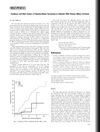
October 2010 in “Hepatology” Certain liver diseases respond well to specific treatments and have varying risks for liver cancer.
4 citations
,
August 2006 in “The Journal of Dermatology” HLA can be linked to autoimmune hepatitis.

Blocking autophagy worsens lipid buildup and dysfunction in brain cells after injury.
16 citations
,
August 2000 in “British Journal of Dermatology” Removing the liver tumor improved the patient's skin condition and hair growth.
62 citations
,
October 2019 in “Liver International” Women with PCOS have more severe liver disease.
 29 citations
,
February 2016 in “International Journal of Dermatology”
29 citations
,
February 2016 in “International Journal of Dermatology” People with lichen planus are more likely to have dyslipidemia, especially higher triglyceride levels.
September 2023 in “International journal of molecular sciences” Targeting lipid metabolism can help treat advanced, resistant cancers.
 23 citations
,
January 2017 in “Current Rheumatology Reports”
23 citations
,
January 2017 in “Current Rheumatology Reports” Unique fat cells near fibrotic areas contribute to systemic sclerosis progression.
35 citations
,
January 2006 in “Dermatology Online Journal” Lipedematous scalp may be underdiagnosed and doesn't improve with finasteride.
 9 citations
,
December 2018 in “JAAD case reports”
9 citations
,
December 2018 in “JAAD case reports” Lipedematous alopecia involves a thickened scalp and hair loss, with limited effective treatments available.
 1 citations
,
December 2004 in “Hepatology”
1 citations
,
December 2004 in “Hepatology” Tenofovir is more effective than adefovir for resistant hepatitis B, Fibroscan is good for assessing liver damage, regulatory T cells may help hepatitis C persist, and other insights into liver health and disease were found.
January 2026 in “Nutrición Hospitalaria” Many drugs can cause lipid metabolism issues, and labels need better warnings.