TCA injections are more effective and safer than cryotherapy for treating alopecia areata.
October 2021 in “Book Publisher International (a part of SCIENCEDOMAIN International)” The combination therapy of microdermabrasion and steroid injections is more effective for treating scalp Alopecia Areata than steroid injections alone.
 October 2021 in “The Egyptian Journal of Hospital Medicine”
 Platelet-rich plasma is a safe and effective treatment for oral lichen planus.
July 2021 in “The Egyptian Journal of Hospital Medicine” Intralesional Triamcinolone acetonide injections are safe and effective for treating alopecia areata.
June 2020 in “Journal of skin and stem cell” The patient's hair loss from alopecia totalis returned despite initial successful treatment.
March 2020 in “QJM: An International Journal of Medicine” Standard intralesional corticosteroids are the best treatment for patchy alopecia areata.
Fractional CO2 laser is more effective and safer than steroid injections for treating alopecia areata.
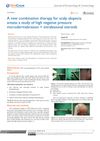 February 2018 in “Journal of dermatology & cosmetology”
 Combining microdermabrasion with steroid injections improves hair regrowth in scalp alopecia areata.
January 2017 in “DOAJ (DOAJ: Directory of Open Access Journals)” Botulinum toxin type A did not help regrow hair in severe alopecia cases.
April 2016 in “Journal of the American Academy of Dermatology” Incorrect injection of corticosteroids for alopecia areata can cause skin problems.
 April 2016 in “Journal of The American Academy of Dermatology”
 Certain scalp tissue features can predict how well alopecia areata responds to steroid injections.
 January 2015 in “Our Dermatology Online”
 Intralesional triamcinolone is the most effective treatment for hair regrowth in alopecia areata patients.
 January 2015 in “Przegla̧d dermatologiczny”
 Intralesional triamcinolone is the most effective treatment for alopecia areata, followed by excimer light therapy, and then topical minoxidil. The scalp responds better to treatment than the beard area.
January 2015 in “프로그램북(구 초록집)” Two patients with stubborn hair loss grew hair after PDRN injections.
 January 2012 in “The Year book of dermatology”
 Many treatments for alopecia areata have inconsistent results; for under 10s, use minoxidil with a corticosteroid, and for over 10s, add ILC and consider diphenylcyclopropenone for widespread cases.
 February 2021 in “Dermatologic Therapy”
 Injections improve hair growth, density, and thickness in women safely.
6 citations
,
December 2015 in “Journal of Dermatological Case Reports” Intradermal testing can better detect corticosteroid allergies than patch testing.
February 2026 in “Journal of Cosmetic Dermatology” Combining triamcinolone acetonide with cryotherapy may reduce scalp hair loss more than using triamcinolone alone.
 1 citations
,
October 2023 in “BMC oral health”
1 citations
,
October 2023 in “BMC oral health” Two patients treated with TAC for mouth fibrosis improved but developed Cushing's Syndrome symptoms.
 December 2023 in “International journal of research in dermatology”
 Adding PRP to topical mometasone improves and speeds up alopecia areata treatment.
7 citations
,
June 2017 in “The Journal of Dermatology”  2 citations
,
January 2019 in “Annals of dermatology/Annals of Dermatology”
2 citations
,
January 2019 in “Annals of dermatology/Annals of Dermatology” A patient experienced permanent hair loss due to an allergic reaction to a corticosteroid injection.
December 2024 in “Journal of The Society of Obstetricians and Gynaecologists of Pakistan” Autologous PRP injections significantly speed up wound healing.
4 citations
,
December 2024 in “Archives of Dermatological Research” 275 citations
,
November 2002 in “International Journal of Dermatology” Alopecia areata mainly affects young people and has significant psychological impacts, especially in males.
 182 citations
,
December 2017 in “Journal of the American Academy of Dermatology”
182 citations
,
December 2017 in “Journal of the American Academy of Dermatology” Some treatments can help with a hair loss condition called alopecia areata, but none ensure lasting results; choices depend on the person, with JAK inhibitors showing promise for severe cases.
162 citations
,
October 2014 in “Autoimmunity reviews” Alopecia areata is caused by the immune system attacking hair follicles.
 155 citations
,
September 2008 in “British journal of dermatology/British journal of dermatology, Supplement”
155 citations
,
September 2008 in “British journal of dermatology/British journal of dermatology, Supplement” FFA is more common in postmenopausal women, can affect younger women, and may stabilize over time.
 118 citations
,
April 1998 in “Dermatologic Clinics”
118 citations
,
April 1998 in “Dermatologic Clinics” Finasteride and minoxidil are effective for hair regrowth, while treatments for alopecia areata have varying success and continuous treatment is necessary.
113 citations
,
May 2007 in “Journal of the American Academy of Dermatology” The study found that steroids and tetracycline helped treat active Lichen planopilaris, and hair transplants were good for later stages.