 20 citations
,
January 2012 in “International journal of trichology”
20 citations
,
January 2012 in “International journal of trichology” Steroids are the best treatment for Alopecia Areata with few side effects.
 16 citations
,
January 2019 in “Skin appendage disorders”
16 citations
,
January 2019 in “Skin appendage disorders” Intralesional corticosteroids work best for mild alopecia areata, and DPCP works best for moderate to severe cases.
 16 citations
,
June 2015 in “Pediatric dermatology”
16 citations
,
June 2015 in “Pediatric dermatology” Lichen Planopilaris in teens is rare, often misdiagnosed, and responds well to steroids.
 14 citations
,
April 2019 in “International Journal of Women's Health”
14 citations
,
April 2019 in “International Journal of Women's Health” Some treatments can stabilize Frontal Fibrosing Alopecia, but more research is needed to find effective treatments, and hair transplants often fail.
14 citations
,
January 2016 in “Annals of dermatology/Annals of Dermatology” Oral cyclosporine is more effective and safer than betamethasone for treating alopecia areata.
10 citations
,
July 2019 in “Indian Journal of Dermatology” Weekly azathioprine pulse is a better alternative to corticosteroids for treating alopecia areata due to fewer side effects.
 8 citations
,
May 2025 in “Dermatology and Therapy”
8 citations
,
May 2025 in “Dermatology and Therapy” Local corticosteroids can help with alopecia areata, but hair loss often returns after stopping treatment.
 8 citations
,
October 2018 in “Journal of The American Academy of Dermatology”
8 citations
,
October 2018 in “Journal of The American Academy of Dermatology” The review suggests there's no agreed treatment for Frontal Fibrosing Alopecia, but hydroxychloroquine and 5a-reductase inhibitors are most effective. New treatments like platelet-rich plasma and LED light could help if standard treatments fail.
6 citations
,
November 2020 in “Clinical Cosmetic and Investigational Dermatology” Both concentrations of triamcinolone acetonide are effective for hair regrowth in patchy alopecia areata, but 5 mg/mL is recommended to reduce side effects.
 5 citations
,
March 2011 in “Journal of pediatric health care”
5 citations
,
March 2011 in “Journal of pediatric health care” The girl with autoimmune hair loss might regrow hair within a year, and treatments can help but not prevent recurrence; dermatologist referral and corticosteroids are recommended.
 3 citations
,
May 2018 in “Experimental Dermatology”
3 citations
,
May 2018 in “Experimental Dermatology” Young HS patients often have other physical and mental health issues, and research on HS covers a wide range of topics including genetics, triggers, treatments, and the need for more data.
 3 citations
,
January 2015 in “Nasza Dermatologia Online”
3 citations
,
January 2015 in “Nasza Dermatologia Online” Some treatments for autoimmune hair loss work, but JAK inhibitors like tofacitinib are promising for regrowth.
2 citations
,
August 2022 in “Frontiers in Immunology” Microneedling with betamethasone led to almost complete hair regrowth in severe alopecia areata.
 2 citations
,
April 2019 in “Dermatologic Therapy”
2 citations
,
April 2019 in “Dermatologic Therapy” A patient with alopecia had hair regrowth with tofacitinib but developed a skin reaction, choosing to continue the treatment despite the side effect.
1 citations
,
February 2025 in “Archives of Dermatological Research” Using Excimer light with topical steroids is the most effective treatment for alopecia areata.
 1 citations
,
December 2022 in “Journal of cosmetic dermatology”
1 citations
,
December 2022 in “Journal of cosmetic dermatology” The combination of vitamin D analogues with potent steroids is a favorable treatment for alopecia areata with fewer side effects.
 1 citations
,
July 2012 in “Springer eBooks”
1 citations
,
July 2012 in “Springer eBooks” The document concludes that more research is needed to better understand and treat scarring hair loss conditions.
 September 2025 in “Cureus”
 There is no standard treatment for CCCA, and practices vary widely.
 January 2025 in “Dermatologic Therapy”
 Minoxidil with betamethasone is the most effective for hair regrowth in alopecia areata.
 October 2024 in “Journal of Education Health and Sport”
 Alopecia areata treatment should be personalized, using topical or systemic therapies based on severity, with promising options like JAK inhibitors needing more research.
 September 2024 in “Egyptian Journal of Dermatology and Venerology”
 Combining TRA and latanoprost is most effective for treating localized alopecia areata.
 February 2024 in “Sohag Medical Journal”
 Various local treatments for alopecia areata show promise, but individualized plans and more research are needed.
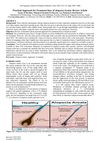 July 2023 in “The Egyptian Journal of Hospital Medicine ”
 The conclusion is that emotional support and a variety of treatments are important for alopecia areata, but more research is needed.
 July 2022 in “Singapore Medical Journal”
 Most children with alopecia areata improved with treatment, but those with more hair loss had worse outcomes.
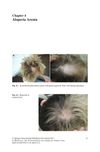 December 2016 in “Springer eBooks”
 A 45-year-old woman with autoimmune diseases experienced patchy hair loss due to alopecia areata, which has no cure but can be treated, with varying success.
 January 2016 in “Springer eBooks”
 Alopecia Areata is an unpredictable autoimmune hair loss condition with limited and variable treatment effectiveness.
September 2022 in “International Journal of Trichology” Both microneedling and injections are equally effective for treating alopecia areata.
December 2020 in “Aktualʹnì problemi sučasnoï medicini” Combining betamethasone and PRP injections works best for treating alopecia areata.
 17 citations
,
December 2001 in “Dermatologic therapy”
17 citations
,
December 2001 in “Dermatologic therapy” Different treatments for alopecia areata have unpredictable results and varying success rates.
 104 citations
,
August 2008 in “Clinics in Dermatology”
104 citations
,
August 2008 in “Clinics in Dermatology” Treating psoriasis on the scalp, nails, and skin folds is challenging, often requiring systemic treatments for severe cases, with some success in topical and biologic treatments.