1 citations
,
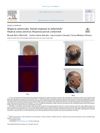
January 2022 in “Clinical Cases in Dermatology” A woman with CCCA has hair loss due to factors like straighteners and tight hairstyles, and treatments include steroids and avoiding certain hair products.
 1 citations
,
July 2019 in “Medicina Clínica (English Edition)”
1 citations
,
July 2019 in “Medicina Clínica (English Edition)” Tofacitinib partially improved hair regrowth in a patient with severe hair loss.
 1 citations
,
May 2017 in “Journal of The American Academy of Dermatology”
1 citations
,
May 2017 in “Journal of The American Academy of Dermatology” A woman's hair grew back after stopping acitretin for psoriasis and getting steroid treatment, and low vitamin D might be linked to alopecia severity.
December 2024 in “Skin Appendage Disorders” Accurate diagnosis and treatment improved symptoms in a patient with alopecia linked to mycosis fungoides.
 July 2023 in “Skin Research and Technology”
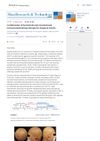
 Baricitinib combined with other immune therapies may safely and effectively treat severe scalp hair loss.
May 2023 in “Jurnal Kedokteran dan Kesehatan Publikasi Ilmiah Fakultas Kedokteran Universitas Sriwijaya” There is not enough evidence to recommend multivitamin-mineral supplements and herbal treatments for alopecia areata.
 April 2023 in “Journal of Pakistan Medical Association”
 Baricitinib is effective in promoting hair growth in severe alopecia areata.
April 2023 in “Zenodo (CERN European Organization for Nuclear Research)” High-dose vitamin D and an anti-inflammatory diet may help improve symptoms in autoimmune conditions like SLE and AA.
 December 2022 in “International Journal of Women's Dermatology”
 The Sinclair Shedding Scale is effective for diagnosing Alopecia Areata Incognita and monitoring treatment success.
December 2018 in “International journal of women’s dermatology” FFA in young women is often missed, and no single treatment works best.
 April 2016 in “Journal of The American Academy of Dermatology”
 Different treatments are effective for hair loss conditions, but results vary by individual factors.
The document concludes that hair loss in women can be caused by various factors and is managed with specific treatments like medication, therapy, and lifestyle changes.
February 2026 in “International Journal of Dermatology” Experts recommend specific treatments for alopecia areata based on age and severity, emphasizing the need for better treatments and acknowledging its psychological impact.
 September 2025 in “Cureus”
 There is no standard treatment for CCCA, and practices vary widely.
 August 2025 in “Medical Scope Journal”
 The treatment improved hair growth and reduced scalp symptoms.
 November 2024 in “Journal of Cosmetic Dermatology”
 Early treatment can reverse hair loss from dermal fillers.
 October 2024 in “JEADV Clinical Practice”
 UK dermatologists commonly use corticosteroids and minoxidil to treat hair loss conditions.
 October 2024 in “Journal of Education Health and Sport”
 Alopecia areata treatment should be personalized, using topical or systemic therapies based on severity, with promising options like JAK inhibitors needing more research.

Combining hydroxychloroquine and pimecrolimus can effectively treat hair loss from discoid lupus.
 February 2024 in “Sohag Medical Journal”
 Various local treatments for alopecia areata show promise, but individualized plans and more research are needed.
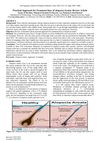 July 2023 in “The Egyptian Journal of Hospital Medicine ”
 The conclusion is that emotional support and a variety of treatments are important for alopecia areata, but more research is needed.
 August 2022 in “IntechOpen eBooks”
 The best treatment for Frontal Fibrosing Alopecia and Lichen Planopilaris combines oral and topical medications to reduce symptoms and stop hair loss.
 July 2022 in “Singapore Medical Journal”
 Most children with alopecia areata improved with treatment, but those with more hair loss had worse outcomes.
 January 2019 in “Clinical Dermatology Open Access Journal”
 Combining corticosteroids and non-ablative fractional laser therapy may effectively treat extensive alopecia areata.
Antimalarial agents are effective for LPP, and intralesional steroids are effective for FFA.
January 2018 in “Dermatology Online Journal” Alopecia areata is hard to treat, but new targeted therapies show promise.
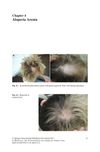 December 2016 in “Springer eBooks”
 A 45-year-old woman with autoimmune diseases experienced patchy hair loss due to alopecia areata, which has no cure but can be treated, with varying success.
 January 2016 in “Springer eBooks”
 Alopecia Areata is an unpredictable autoimmune hair loss condition with limited and variable treatment effectiveness.
Dupilumab may worsen hair loss in patients with alopecia areata.
 January 2026 in “International Journal of Research and Innovation in Applied Science”
 Ayurvedic treatment may help manage alopecia areata.