 16 citations
,
May 2017 in “American Journal of Clinical Dermatology”
16 citations
,
May 2017 in “American Journal of Clinical Dermatology” The document concludes that more research is needed to understand and treat Beard Alopecia Areata due to limited current knowledge and evidence.
 16 citations
,
June 2015 in “Pediatric dermatology”
16 citations
,
June 2015 in “Pediatric dermatology” Lichen Planopilaris in teens is rare, often misdiagnosed, and responds well to steroids.
 14 citations
,
April 2019 in “International Journal of Women's Health”
14 citations
,
April 2019 in “International Journal of Women's Health” Some treatments can stabilize Frontal Fibrosing Alopecia, but more research is needed to find effective treatments, and hair transplants often fail.
 12 citations
,
September 2020 in “Journal of cosmetic dermatology”
12 citations
,
September 2020 in “Journal of cosmetic dermatology” Trichoscopy is useful for diagnosing and monitoring alopecia areata treatment.
10 citations
,
October 2014 in “Plastic & Reconstructive Surgery Global Open” Botulinum toxin type A injections improved hair growth and scalp health in a woman with radiation-induced hair loss.
 5 citations
,
March 2011 in “Journal of pediatric health care”
5 citations
,
March 2011 in “Journal of pediatric health care” The girl with autoimmune hair loss might regrow hair within a year, and treatments can help but not prevent recurrence; dermatologist referral and corticosteroids are recommended.
 2 citations
,
January 2018 in “International journal of research in dermatology”
2 citations
,
January 2018 in “International journal of research in dermatology” Intralesional corticosteroids are the best for limited alopecia areata, oral steroids are less effective, and PRP is safe and promising, especially for children and severe cases.
 1 citations
,
April 2019 in “Aesthetic Plastic Surgery”
1 citations
,
April 2019 in “Aesthetic Plastic Surgery” Secondary hairline correction surgery can be effective and satisfying when customized to the patient's needs.
 1 citations
,
July 2012 in “Springer eBooks”
1 citations
,
July 2012 in “Springer eBooks” The document concludes that more research is needed to better understand and treat scarring hair loss conditions.
January 2026 in “Al-Azhar Assiut Medical Journal” Intralesional pentoxifylline effectively and safely treats alopecia areata, improving hair regrowth.
 May 2025 in “Journal of the Egyptian Womenʼs Dermatologic Society”
 Vitamin D3 is a safe and effective alternative to steroids for treating alopecia areata, with fewer side effects.
 October 2024 in “Journal of Education Health and Sport”
 Alopecia areata treatment should be personalized, using topical or systemic therapies based on severity, with promising options like JAK inhibitors needing more research.
Triamcinolone acetonide and betamethasone 1.75 mg/ml are both effective for treating alopecia areata.
 September 2025 in “Cureus”
 There is no standard treatment for CCCA, and practices vary widely.
Brunsting-Perry pemphigoid can cause scarring hair loss and may be underdiagnosed.
Antimalarial agents are effective for LPP, and intralesional steroids are effective for FFA.
 48 citations
,
May 1999 in “International Journal of Dermatology”
48 citations
,
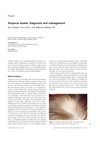
May 1999 in “International Journal of Dermatology” Alopecia areata is an unpredictable autoimmune hair loss condition, treated based on severity, with half of patients regrowing hair within a year without treatment.
 35 citations
,
May 2012 in “Expert Opinion on Pharmacotherapy”
35 citations
,
May 2012 in “Expert Opinion on Pharmacotherapy” The document concludes that there are various treatments for different types of alopecia, but more research is needed for evidence-based treatments.
 28 citations
,
October 1978 in “Archives of dermatology”
28 citations
,
October 1978 in “Archives of dermatology” Corticosteroids may effectively regrow hair in Alopecia Totalis with manageable side effects.
 19 citations
,
August 2018 in “International Journal of Dermatology”
19 citations
,
August 2018 in “International Journal of Dermatology” Lupus panniculitis of the scalp causes linear hair loss and needs ongoing treatment to prevent recurrence and lupus.
 17 citations
,
December 2001 in “Dermatologic therapy”
17 citations
,
December 2001 in “Dermatologic therapy” Different treatments for alopecia areata have unpredictable results and varying success rates.
 14 citations
,
December 2010 in “Dermatologica Sinica”
14 citations
,
December 2010 in “Dermatologica Sinica” New treatments for hair loss show promise, but more development is needed, especially for tough cases.
 10 citations
,
June 2000 in “Primary Care”
10 citations
,
June 2000 in “Primary Care” The document explains different hair loss types and treatments, emphasizing diagnosis through examination and tests, and specific treatments for each condition.
 6 citations
,
July 2006 in “International Journal of Dermatology”
6 citations
,
July 2006 in “International Journal of Dermatology” Football players can get many skin conditions from their sport, which need different treatments and can be prevented with good hygiene and protection.
5 citations
,
January 2024 in “Aesthetic Surgery Journal Open Forum” Proper management and preventative measures can reduce serious adverse events from deoxycholic acid injections for fat reduction.
 3 citations
,
May 2018 in “Experimental Dermatology”
3 citations
,
May 2018 in “Experimental Dermatology” Young HS patients often have other physical and mental health issues, and research on HS covers a wide range of topics including genetics, triggers, treatments, and the need for more data.
 1 citations
,
July 2015 in “British Journal of Dermatology”
1 citations
,
July 2015 in “British Journal of Dermatology” Imiquimod improved skin pigmentation in most patients with xeroderma pigmentosum and may prevent further skin cancer, but some treatments can have side effects.
April 2022 in “Journal of evolution of medical and dental sciences” Intralesional triamcinolone acetonide is more effective but has a higher relapse rate than platelet-rich plasma for treating alopecia areata.
 March 2019 in “Applied sciences”
 Laser therapy might help regrow hair in alopecia totalis better than steroids alone.
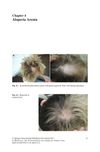 December 2016 in “Springer eBooks”
 A 45-year-old woman with autoimmune diseases experienced patchy hair loss due to alopecia areata, which has no cure but can be treated, with varying success.