 102 citations
,
April 2014 in “International Journal of Dermatology”
102 citations
,
April 2014 in “International Journal of Dermatology” The treatment helped reduce symptoms and stabilize the hairline in most patients with Frontal Fibrosing Alopecia, but hair regrowth was limited.
 85 citations
,
October 2012 in “Dermatologic Clinics”
85 citations
,
October 2012 in “Dermatologic Clinics” Alopecia Areata is an autoimmune condition often starting before age 20, with varied treatment success and a need for personalized treatment plans.
 37 citations
,
August 2016 in “Clinical, Cosmetic and Investigational Dermatology”
37 citations
,
August 2016 in “Clinical, Cosmetic and Investigational Dermatology” The document concludes that better treatments for CCCA are needed and more research is required to understand its causes related to hairstyling and genetics.
 34 citations
,
April 2009 in “Expert Opinion on Pharmacotherapy”
34 citations
,
April 2009 in “Expert Opinion on Pharmacotherapy” Some treatments work for common baldness, but there's less evidence for other hair loss types, and more research is needed.
 29 citations
,
August 2008 in “Current Opinion in Pediatrics”
29 citations
,
August 2008 in “Current Opinion in Pediatrics” Hair loss in teenagers is hard to treat and lacks a cure, with some treatments available depending on the type of hair loss.
 24 citations
,
July 2019 in “Cochrane library”
24 citations
,
July 2019 in “Cochrane library” Some treatments like methotrexate with prednisone might help juvenile morphea, but more research is needed to confirm.
 23 citations
,
October 2005 in “Journal of The American Academy of Dermatology”
23 citations
,
October 2005 in “Journal of The American Academy of Dermatology” Two transplant patients on cyclosporine unexpectedly developed hair loss.
 22 citations
,
May 2012 in “Dermatologic Therapy”
22 citations
,
May 2012 in “Dermatologic Therapy” Doctors should suggest hair replacement based on personal needs and stress scalp cleanliness to avoid skin problems.
 14 citations
,
April 2019 in “International Journal of Women's Health”
14 citations
,
April 2019 in “International Journal of Women's Health” Some treatments can stabilize Frontal Fibrosing Alopecia, but more research is needed to find effective treatments, and hair transplants often fail.
 5 citations
,
March 2011 in “Journal of pediatric health care”
5 citations
,
March 2011 in “Journal of pediatric health care” The girl with autoimmune hair loss might regrow hair within a year, and treatments can help but not prevent recurrence; dermatologist referral and corticosteroids are recommended.
 2 citations
,
January 2018 in “International journal of research in dermatology”
2 citations
,
January 2018 in “International journal of research in dermatology” Intralesional corticosteroids are the best for limited alopecia areata, oral steroids are less effective, and PRP is safe and promising, especially for children and severe cases.
 April 2026 in “Indian Journal of Dermatology”
 PRP and IT are equally effective for treating localized alopecia areata, but PRP causes more pain and bleeding.
January 2026 in “Al-Azhar Assiut Medical Journal” Intralesional pentoxifylline effectively and safely treats alopecia areata, improving hair regrowth.
Brunsting-Perry pemphigoid can cause scarring hair loss and may be underdiagnosed.
 May 2025 in “Journal of the Egyptian Womenʼs Dermatologic Society”
 Vitamin D3 is a safe and effective alternative to steroids for treating alopecia areata, with fewer side effects.
 October 2024 in “Journal of Education Health and Sport”
 Alopecia areata treatment should be personalized, using topical or systemic therapies based on severity, with promising options like JAK inhibitors needing more research.
 July 2023 in “Clinical dermatology review”
 Intralesional triamcinolone acetonide is better than PRP for treating scalp alopecia areata, leading to faster and more complete hair regrowth.
Antimalarial agents are effective for LPP, and intralesional steroids are effective for FFA.
 January 2018 in “Springer eBooks”
 Athletes need effective management of skin disorders for their performance and well-being.
 48 citations
,
May 1999 in “International Journal of Dermatology”
48 citations
,
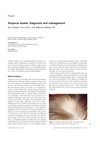
May 1999 in “International Journal of Dermatology” Alopecia areata is an unpredictable autoimmune hair loss condition, treated based on severity, with half of patients regrowing hair within a year without treatment.
 35 citations
,
May 2012 in “Expert Opinion on Pharmacotherapy”
35 citations
,
May 2012 in “Expert Opinion on Pharmacotherapy” The document concludes that there are various treatments for different types of alopecia, but more research is needed for evidence-based treatments.
 28 citations
,
October 1978 in “Archives of dermatology”
28 citations
,
October 1978 in “Archives of dermatology” Corticosteroids may effectively regrow hair in Alopecia Totalis with manageable side effects.
 21 citations
,
April 2019 in “Endocrinology and Metabolism Clinics of North America”
21 citations
,
April 2019 in “Endocrinology and Metabolism Clinics of North America” Transgender patients need proper skin care, especially when undergoing hormone treatments, to manage issues like acne and hair loss.
 18 citations
,
February 2017 in “Journal of Cosmetic Dermatology”
18 citations
,
February 2017 in “Journal of Cosmetic Dermatology” Mesotherapy for hair loss can sometimes cause more hair loss and scarring.
 16 citations
,
May 2017 in “American Journal of Clinical Dermatology”
16 citations
,
May 2017 in “American Journal of Clinical Dermatology” The document concludes that more research is needed to understand and treat Beard Alopecia Areata due to limited current knowledge and evidence.
 16 citations
,
June 2015 in “Pediatric dermatology”
16 citations
,
June 2015 in “Pediatric dermatology” Lichen Planopilaris in teens is rare, often misdiagnosed, and responds well to steroids.
 6 citations
,
July 2006 in “International Journal of Dermatology”
6 citations
,
July 2006 in “International Journal of Dermatology” Football players can get many skin conditions from their sport, which need different treatments and can be prevented with good hygiene and protection.
 3 citations
,
May 2018 in “Experimental Dermatology”
3 citations
,
May 2018 in “Experimental Dermatology” Young HS patients often have other physical and mental health issues, and research on HS covers a wide range of topics including genetics, triggers, treatments, and the need for more data.
 1 citations
,
July 2015 in “British Journal of Dermatology”
1 citations
,
July 2015 in “British Journal of Dermatology” Imiquimod improved skin pigmentation in most patients with xeroderma pigmentosum and may prevent further skin cancer, but some treatments can have side effects.
 January 2026 in “Dermatology Practical & Conceptual”
 Triamcinolone acetonide is more effective than cryotherapy for hair regrowth in alopecia areata but has different side effects.