April 2023 in “Zenodo (CERN European Organization for Nuclear Research)” High-dose vitamin D and an anti-inflammatory diet may help improve symptoms in autoimmune conditions like SLE and AA.
January 2022 in “Clinical Cases in Dermatology” A 22-year-old man has alopecia areata, an autoimmune hair loss condition, with various treatments available.
January 2022 in “Clinical Cases in Dermatology” Scalp psoriasis is hard to treat and may need various medications.
 August 2015 in “Dermatología Argentina”
 Frontal fibrosing alopecia causes hairline recession and eyebrow loss in postmenopausal women.
 May 2015 in “Journal of The American Academy of Dermatology”
 Mycophenolate mofetil may improve symptoms and stop hair loss in Lichen planopilaris, but more research is needed.
 1 citations
,
January 2023 in “Przegląd Dermatologiczny”
1 citations
,
January 2023 in “Przegląd Dermatologiczny” The Polish Society of Dermatology recommends treatments for alopecia areata that vary by severity, including topical and systemic medications, with long-term maintenance important for management.
 11 citations
,
November 2019 in “Clinical Case Reports”
11 citations
,
November 2019 in “Clinical Case Reports” A Brazilian teenager with severe hair loss had total hair regrowth with no side effects after using tofacitinib.
 5 citations
,
January 2021 in “Inflammatory Bowel Diseases”
5 citations
,
January 2021 in “Inflammatory Bowel Diseases” Tofacitinib improved ulcerative colitis, skin ulcers, and hair loss in a patient who didn't respond well to other treatments.
48 citations
,
April 2021 in “Journal of the American Academy of Dermatology” Topical corticosteroids are the best initial treatment for children's alopecia areata.
 5 citations
,
January 2013 in “Journal der Deutschen Dermatologischen Gesellschaft”
5 citations
,
January 2013 in “Journal der Deutschen Dermatologischen Gesellschaft” The document concludes that individualized treatment for malignant epithelial tumors is necessary and more research on metastatic squamous cell carcinoma treatments is needed.
 January 2015 in “Our Dermatology Online”
 Intralesional triamcinolone is the most effective treatment for hair regrowth in alopecia areata patients.
 35 citations
,
January 2013 in “Indian Journal of Dermatology, Venereology and Leprology”
35 citations
,
January 2013 in “Indian Journal of Dermatology, Venereology and Leprology” Intralesional triamcinolone acetonide is effective for treating patchy hair loss, and dermoscopy helps detect treatment response and side effects early.
 1 citations
,
January 2022 in “The Egyptian Journal of Hospital Medicine ”
1 citations
,
January 2022 in “The Egyptian Journal of Hospital Medicine ” Cryotherapy and steroid injections are similarly effective and safe for treating alopecia areata.
 January 2015 in “Przegla̧d dermatologiczny”
 Intralesional triamcinolone is the most effective treatment for alopecia areata, followed by excimer light therapy, and then topical minoxidil. The scalp responds better to treatment than the beard area.
 48 citations
,
January 2011 in “International journal of trichology”
48 citations
,
January 2011 in “International journal of trichology” Intralesional triamcinolone acetonide is the most effective treatment for localized alopecia areata.
 14 citations
,
January 2017 in “Annals of Dermatology”
14 citations
,
January 2017 in “Annals of Dermatology” Low-dose methotrexate effectively regrows hair in many alopecia areata patients but can cause some side effects.
 12 citations
,
August 2020 in “JEADV. Journal of the European Academy of Dermatology and Venereology/Journal of the European Academy of Dermatology and Venereology”
12 citations
,
August 2020 in “JEADV. Journal of the European Academy of Dermatology and Venereology/Journal of the European Academy of Dermatology and Venereology” Azathioprine is the most continued treatment for chronic alopecia areata over a year, often with added low-dose prednisolone.
 June 2024 in “BioSCIENCE”
 Microinfusion of methotrexate can help treat frontal fibrosing alopecia.
 March 2022 in “Nepal Journal of Dermatology Venereology & Leprology”
 Methotrexate with steroids is slightly more effective than azathioprine with steroids for treating severe alopecia areata.
 July 2021 in “Dermatology archives”
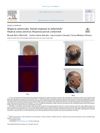
 Methotrexate may effectively and safely treat hair loss in children, with notable improvement after 12-15 months.
 1 citations
,
July 2019 in “Medicina Clínica (English Edition)”
1 citations
,
July 2019 in “Medicina Clínica (English Edition)” Tofacitinib partially improved hair regrowth in a patient with severe hair loss.
 1 citations
,
January 2015 in “Springer eBooks”
1 citations
,
January 2015 in “Springer eBooks” The document says a skin condition called alopecia areata causes hair loss and stress, and is treated with strong skin creams, injections, or other therapies, but treatment success varies.
 January 2026 in “Forum Dermatologicum”
 JAK inhibitors and combination therapies show promise for treating severe alopecia areata.
 1 citations
,
June 2017 in “Skin”
1 citations
,
June 2017 in “Skin” Apremilast may help treat lichen planopilaris and frontal fibrosing alopecia when other treatments fail.
 49 citations
,
March 2017 in “Journal of the American Academy of Dermatology”
49 citations
,
March 2017 in “Journal of the American Academy of Dermatology” Tofacitinib caused significant hair regrowth in adolescents with alopecia universalis who didn't respond to other treatments.
3 citations
,
October 2018 in “Journal of cosmetic dermatology” Pentoxifylline alone and combined with triamcinolone acetonide is effective for treating localized alopecia areata, with the combination showing the highest effectiveness.
November 2024 in “Journal of the Philippine Dermatological Society” Combining methotrexate and corticosteroids can effectively regrow hair in severe alopecia areata.
 4 citations
,
June 2002 in “Clinical and experimental dermatology”
4 citations
,
June 2002 in “Clinical and experimental dermatology” Effective treatment for hidradenitis suppurativa varies, with antibiotics commonly used and surgery as an option, but no single method is universally successful.
January 2026 in “Al-Azhar Assiut Medical Journal” Intralesional pentoxifylline effectively and safely treats alopecia areata, improving hair regrowth.
 November 2025 in “Archives of Dermatological Research”
 Using a higher concentration of triamcinolone acetonide leads to faster hair regrowth in scalp patchy alopecia areata.