
TCA injections are more effective and safer than cryotherapy for treating alopecia areata.
 36 citations
,
May 2011 in “Dermatologic therapy”
36 citations
,
May 2011 in “Dermatologic therapy” No treatments fully cure or prevent alopecia areata; some help but have side effects or need more research.
 January 2012 in “The Year book of dermatology”
 Many treatments for alopecia areata have inconsistent results; for under 10s, use minoxidil with a corticosteroid, and for over 10s, add ILC and consider diphenylcyclopropenone for widespread cases.
 35 citations
,
January 2013 in “Indian Journal of Dermatology, Venereology and Leprology”
35 citations
,
January 2013 in “Indian Journal of Dermatology, Venereology and Leprology” Intralesional triamcinolone acetonide is effective for treating patchy hair loss, and dermoscopy helps detect treatment response and side effects early.
8 citations
,
January 2020 in “Indian Dermatology Online Journal” PRP works faster and is a safe alternative to steroids for treating alopecia areata.
 3 citations
,
July 2017 in “International journal of medicine”
3 citations
,
July 2017 in “International journal of medicine” Intralesional triamcinolone acetonide effectively treats alopecia areata, as shown by significant improvements in hair regrowth and dermoscopic indicators.
 August 2023 in “The Journal of Dermatology”
 Intralesional corticosteroid injections effectively treat scalp vitiligo.
Topical minoxidil, intralesional steroids, and cryotherapy significantly improve alopecia areata.
Antimalarial agents are effective for LPP, and intralesional steroids are effective for FFA.
 1 citations
,
January 2014 in “Health Renaissance”
1 citations
,
January 2014 in “Health Renaissance” Pseudopelade of Brocq is hard to diagnose and treat, with limited effective options.
 May 2015 in “Journal of The American Academy of Dermatology”
 Mycophenolate mofetil may improve symptoms and stop hair loss in Lichen planopilaris, but more research is needed.
 3 citations
,
April 2017 in “Dermatologic Surgery”
3 citations
,
April 2017 in “Dermatologic Surgery” Laser hair removal can be an effective last-resort treatment for men with stubborn Alopecia Areata who want to be uniformly bald.
December 2018 in “International journal of women’s dermatology” FFA in young women is often missed, and no single treatment works best.
 48 citations
,
January 2014 in “Dermatology Online Journal”
48 citations
,
January 2014 in “Dermatology Online Journal” New treatments for Dissecting cellulitis show promise, but more research is needed to understand the disease and establish a standard treatment plan.
 23 citations
,
September 2019 in “Dermatology practical & conceptual”
23 citations
,
September 2019 in “Dermatology practical & conceptual” The study concluded that AAI and DAA are forms of the same disease, with different symptoms in men and women, and that corticosteroid treatment is effective.
 87 citations
,
December 2016 in “British journal of dermatology/British journal of dermatology, Supplement”
87 citations
,
December 2016 in “British journal of dermatology/British journal of dermatology, Supplement” Cancer patients treated with immune checkpoint inhibitors may develop alopecia, but some hair regrowth is possible with treatment.
 85 citations
,
October 2012 in “Dermatologic Clinics”
85 citations
,
October 2012 in “Dermatologic Clinics” Alopecia Areata is an autoimmune condition often starting before age 20, with varied treatment success and a need for personalized treatment plans.
 October 2024 in “Journal of Education Health and Sport”
 Alopecia areata treatment should be personalized, using topical or systemic therapies based on severity, with promising options like JAK inhibitors needing more research.
 59 citations
,
December 2016 in “Clinical, Cosmetic and Investigational Dermatology”
59 citations
,
December 2016 in “Clinical, Cosmetic and Investigational Dermatology” Acne keloidalis nuchae is a tough-to-treat condition that greatly affects quality of life, especially in men of African descent.
 37 citations
,
May 1999 in “Australasian Journal of Dermatology”
37 citations
,
May 1999 in “Australasian Journal of Dermatology” Early diagnosis and treatment are crucial for preventing permanent hair loss in various scalp conditions, and while new treatments are promising, more research is needed to evaluate their effectiveness.
May 2023 in “Jurnal Kedokteran dan Kesehatan Publikasi Ilmiah Fakultas Kedokteran Universitas Sriwijaya” There is not enough evidence to recommend multivitamin-mineral supplements and herbal treatments for alopecia areata.
 January 2016 in “Springer eBooks”
 Alopecia Areata is an unpredictable autoimmune hair loss condition with limited and variable treatment effectiveness.
The document concludes that hair loss in women can be caused by various factors and is managed with specific treatments like medication, therapy, and lifestyle changes.
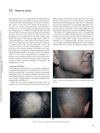 April 2012 in “Informa Healthcare eBooks”
 Alopecia areata is a common autoimmune condition causing varying hair loss, diagnosed by specific patterns of inflammation around hair follicles, with several treatment options available.
 July 2022 in “Singapore Medical Journal”
 Most children with alopecia areata improved with treatment, but those with more hair loss had worse outcomes.
 26 citations
,
June 2019 in “The journal of investigative dermatology/Journal of investigative dermatology”
26 citations
,
June 2019 in “The journal of investigative dermatology/Journal of investigative dermatology” Regenerative therapies show promise for treating vitiligo and alopecia areata.
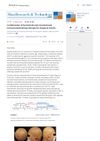 July 2023 in “Skin Research and Technology”
 Baricitinib combined with other immune therapies may safely and effectively treat severe scalp hair loss.
2 citations
,
March 1964 in “Archives of Dermatology” Different doses of triamcinolone injections work equally well for skin conditions.
7 citations
,
January 2017 in “Dermatology Online Journal” TNF-inhibitor induced alopecia can be treated effectively with different therapies.
14 citations
,
May 2009 in “Journal of the American Academy of Dermatology” The patient's scalp lesions stabilized with a combination of treatments after initial therapies failed.