19 citations
,
January 2013 in “Annals of Dermatology” Early high-dose steroid treatment helps prolong disease-free periods in severe alopecia areata.
14 citations
,
January 2015 in “Indian journal of dermatology, venereology, and leprology” Methylprednisolone infusions can help some people with severe alopecia regrow hair.
39 citations
,
January 2012 in “Dermatology” Combining high-dose corticosteroids with methotrexate may be effective and safe for severe alopecia areata.
5 citations
,
August 1998 in “PubMed” Intravenous cyclophosphamide effectively treated steroid-resistant lupus cystitis and peritonitis.
21 citations
,
March 2002 in “PubMed” High-dose steroid pulse therapy effectively regrows hair in severe multifocal alopecia areata.
16 citations
,
June 1992 in “PubMed” Steroid pulse therapy improved symptoms in a man with Satoyoshi syndrome.
 October 2021 in “Dermatology practical & conceptual”
 High-dose corticosteroids can significantly regrow hair in severe alopecia areata.
 July 2013 in “Our Dermatology Online”
 Oral methylprednisolone pulse therapy helped an 11-year-old regrow 80% of his hair in six months.
50 citations
,
January 2016 in “Journal of the American Academy of Dermatology” Pulse steroid therapy for alopecia areata shows a 43% complete response rate but has a high relapse rate, especially in children.
14 citations
,
January 2015 in “Annals of dermatology/Annals of Dermatology” Corticosteroid pulse therapy is more effective for severe alopecia areata than combination therapy.
 14 citations
,
January 2011 in “International Journal of Trichology”
14 citations
,
January 2011 in “International Journal of Trichology” Some people with severe, long-lasting baldness responded well to a specific combination treatment.
 20 citations
,
October 2003 in “The Journal of Dermatology”
20 citations
,
October 2003 in “The Journal of Dermatology” DCP therapy causes side effects like weakness, flushing, headaches, and taste changes, but less frequently causes hypertension and diabetes.
 2 citations
,
January 2018 in “International journal of research in dermatology”
2 citations
,
January 2018 in “International journal of research in dermatology” Intralesional corticosteroids are the best for limited alopecia areata, oral steroids are less effective, and PRP is safe and promising, especially for children and severe cases.
17 citations
,
November 2009 in “Dermato-endocrinology” Medium-dose prednisolone pulse therapy is effective and safe for multifocal alopecia areata but not for more severe forms.
 18 citations
,
January 2017 in “Journal der Deutschen Dermatologischen Gesellschaft”
18 citations
,
January 2017 in “Journal der Deutschen Dermatologischen Gesellschaft” High and low doses of prednisolone helped 62% of children with severe alopecia regrow hair with some weight gain and mild acne as side effects.
 5 citations
,
July 1991 in “Irish Journal of Medical Science (1971 -)”
5 citations
,
July 1991 in “Irish Journal of Medical Science (1971 -)” Immunosuppressive therapy helps manage autoimmune diseases but carries risks like infection and potential for malignancy.
10 citations
,
July 2019 in “Indian Journal of Dermatology” Weekly azathioprine pulse is a better alternative to corticosteroids for treating alopecia areata due to fewer side effects.
 9 citations
,
August 2002 in “Current Opinion in Pediatrics”
9 citations
,
August 2002 in “Current Opinion in Pediatrics” An 18-year-old girl with pemphigus vulgaris needed strong medication and careful treatment due to ineffective initial therapies and side effects.
 December 2023 in “Curēus”
 A woman with lupus had rare severe symptoms but improved with treatment.
20 citations
,
June 2003 in “Neurology” Tacrolimus and corticosteroids can improve symptoms of Satoyoshi syndrome.
 September 2019 in “Philippine Journal of Internal Medicine”
 Early immunosuppressive therapy leads to favorable outcomes in Filipino lupus patients with myocarditis.
May 2026 in “Indian Journal of Dermatology” Rituximab effectively managed a difficult case of juvenile lupus with complications, reducing the need for steroids.
 October 2023 in “Dermatology practical & conceptual”
 Pulse corticosteroids help regrow hair in alopecia areata but have side effects, especially betamethasone.
 40 citations
,
December 2019 in “Neurobiology of Stress”
40 citations
,
December 2019 in “Neurobiology of Stress” Neuroactive steroids show promise for treating mental and neurological disorders by targeting GABA_A receptors.

Use the least toxic, most specific treatments for skin diseases, considering side effects and individual patient needs.
 1 citations
,
January 2023 in “Przegląd Dermatologiczny”
1 citations
,
January 2023 in “Przegląd Dermatologiczny” The Polish Society of Dermatology recommends treatments for alopecia areata that vary by severity, including topical and systemic medications, with long-term maintenance important for management.
 December 2011 in “InTech eBooks”
 Systemic corticosteroids can help treat rapidly spreading vitiligo but require more research for safer use.
 41 citations
,
September 2018 in “Australasian journal of dermatology”
41 citations
,
September 2018 in “Australasian journal of dermatology” No systemic treatment for alopecia areata has strong evidence of effectiveness.
 2 citations
,
September 2011 in “Pediatric Dermatology”
2 citations
,
September 2011 in “Pediatric Dermatology” The document suggests there might be a link between Kawasaki Disease and Alopecia Areata that needs more research.
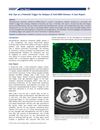 November 2025 in “Indian Journal of Nephrology”
 Hair dye may trigger anti-GBM disease relapse, and rituximab can help manage it.