 January 2015 in “Hair therapy & transplantation”
 Some botanical products may help increase hair growth in people with alopecia, but more research is needed.
 January 2015 in “Dermatology Review”
 LED therapy may improve skin health and stimulate hair growth.
 January 2015 in “Springer eBooks”
 Hair health is influenced by genetics, aging, and environmental factors, with proper care needed to maintain it.
 January 2015 in “Indian Dermatology Online Journal”
 The patient's hair loss is most likely due to diffuse alopecia areata.
 December 2014 in “Annals of psychophysiology”
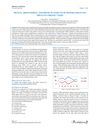
 Power-enhancing drugs can cause mood swings, aggression, anxiety, and physical side effects, questioning their overall benefits.
 October 2014 in “Aktuelle Dermatologie”
 A 19-year-old with MRKHS developed complete hair loss, and treatment options were discussed.
 September 2014 in “Springer eBooks”
 Men and women experience skin aging differently due to changes in sex hormone levels with age.

Chrysanthemum zawadskii extract may help treat hair loss by promoting hair growth and affecting growth factors.
 January 2014 in “HAL (Le Centre pour la Communication Scientifique Directe)”
 Sex hormones affect dog skin conditions, but more data is needed.
 September 2013 in “Molecular Biology”
 The document suggests that activating autophagy might help with regeneration by removing old and damaged cells.
 April 2012 in “Informa Healthcare eBooks”
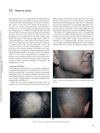
 Alopecia areata is a common autoimmune condition causing varying hair loss, diagnosed by specific patterns of inflammation around hair follicles, with several treatment options available.
 February 2008 in “Medical & surgical dermatology”
 Some treatments like topical oxygen and stem cells show promise for wound healing and hair growth, but evidence for modern dressings over traditional ones is limited.
 December 2007 in “CRC Press eBooks”
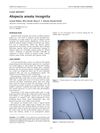
 Alopecia areata incognita causes widespread hair loss without patches and needs a scalp biopsy for diagnosis.
 January 2007 in “Dermatologic Surgery”
 A new scalp surgery technique leads to significantly thinner scars.
 June 2003 in “Journal of Investigative Dermatology Symposium Proceedings”
 Advancements in hair biology include new treatments and tools for hair growth and alopecia.
 May 2003 in “Journal of Investigative Dermatology”
 The meeting covered advances in understanding hair growth, causes of hair loss, and potential treatments.

Avicennia marina extract and avicequinone C can potentially promote hair growth and treat hair loss by interfering with hair loss mechanisms and boosting growth factors.
 November 2020 in “Postepy Dermatologii I Alergologii”
 Sulfotransferase SULT1A1 activity may predict minoxidil treatment success for hair loss.
 July 2020 in “Bioinformatics and Bioengineering”
 Found key genes affecting hair loss, immune response, and skin development; more research needed for better treatments.
 January 2020 in “Medpulse International Journal of General Medicine”
 Trichoscopy helps diagnose and monitor hair loss, showing different signs at various stages of hair thinning.
 November 2019 in “Nosotchu”
 Man had stroke possibly linked to hair loss medications finasteride and minoxidil.
 July 2019 in “International journal of contemporary medical research”
 Men with genetic hair loss are more likely to have abnormal blood lipid levels, especially if the hair loss is severe.
 November 2017 in “British Journal of Dermatology”
 Genes controlling hair growth and immune response are disrupted in male pattern baldness.
 October 2017 in “Journal of The European Academy of Dermatology and Venereology”
 Stem cells preservation in AGA could be a potential therapy, but more cases needed.

Iron and zinc deficiencies may be treated to help female hair loss.
 January 2017 in “Journal of cosmetology & trichology”
 Hair loss can cause anxiety and depression, especially in young, single women, and early psychological support is important.
 January 2015 in “Journal of Cytology and Histology”
 Hair loss in Androgenetic Alopecia is not caused by damage to follicular stem cells.
 November 2009 in “Cambridge University Press eBooks”
 Minoxidil and finasteride combined can effectively treat hair loss.
 January 2009 in “Folia Pharmacologica Japonica”
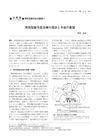
 Finasteride and minoxidil are the main effective treatments for hair loss from androgenetic alopecia.
 January 2009 in “Egyptian Journal of Medical Human Genetics”
 The study suggests that a specific gene variation and higher gene activity are linked to increased baldness in Egyptian men.