 January 2026 in “Archive ouverte UNIGE (University of Geneva)”
 Skin-sparing techniques in gynecomastia surgery lead to good chest results and high patient satisfaction with less scarring.
December 2025 in “Zenodo (CERN European Organization for Nuclear Research)” Microneedling may help regrow eyebrow hair, but more research is needed.
 August 2025 in “Arabixiv (OSF Preprints)”
 Low-level laser therapy effectively improves hair growth in androgenetic alopecia with minimal side effects.
 January 2025 in “Bright Sky Publications eBooks”
 Aesthetic medicine is rapidly advancing with new technologies for safer, personalized, and less invasive treatments.
January 2025 in “Dermatology Review” Advancements in dermatology are improving diagnosis, treatment options, and patient care.
December 2024 in “Likarska sprava” Both FUE and DHI techniques are effective for eyebrow transplantation, with high patient satisfaction.
April 2024 in “International journal of molecular sciences” Light-based treatment, Photobiomodulation, shows promise for non-invasive skin therapy with few side effects.
 May 2023 in “Elsevier eBooks”
 The book teaches modern, non-invasive hair restoration techniques for common hair loss.
 April 2023 in “Research Square (Research Square)”
 The follicular unit extraction technique is a successful treatment for male hair loss with over 90% hair survival rate and less than 6% complications.
 December 2022 in “Физиотерапия, бальнеология и реабилитация”
 Radiofrequency micro needling is effective for rejuvenating skin and reducing wrinkles.
 November 2022 in “Journal of Investigative Dermatology”
 Ultrasound is a useful, safe, and affordable tool for diagnosing and managing skin nodules.
 October 2019 in “Journal of Face Aesthetics”
 New technologies and teamwork across specialties are changing facial aesthetics, offering personalized, non-surgical options.
 December 2018 in “Lasers in Surgery and Medicine”
 Science improves peace by advancing medical treatments, like laser therapies and non-invasive imaging.
 May 2018 in “Indian Journal of Plastic Surgery”
 The book is a detailed guide for plastic surgeons with clear explanations and is recommended for both new and experienced practitioners.
September 2015 in “Hair transplant forum international” Platelet Rich Plasma may help treat hair loss, but more detailed research is needed to confirm its effectiveness.
 January 2015 in “Dermatology Review”
 LED therapy may improve skin health and stimulate hair growth.
 September 2010 in “European Urology Supplements”
 The document does not confirm if radical prostatectomy is the best treatment for locally advanced prostate cancer.

The book provides a guide to cosmetic surgery for people with darker skin, covering various treatments and addressing their unique skin characteristics.
January 2007 in “Annals of The Royal College of Surgeons of England” Removing a hormone-producing adrenal tumor can stop hair loss in women with high testosterone levels.
Protein profiling of forehead skin can help distinguish between frontal fibrosing alopecia and androgenetic alopecia.
 April 2026 in “Journal of Education Health and Sport”
 Invasive treatments can improve hair growth, but effectiveness varies and more research is needed.
1 citations
,
August 2025 in “Medicina” Non-invasive imaging techniques improve scalp condition diagnosis and patient quality of life.
 44 citations
,
August 2008 in “Archives of Dermatology”
44 citations
,
August 2008 in “Archives of Dermatology” Trichoscopy is a non-invasive way to diagnose hair and scalp problems without needing hair samples.
 24 citations
,
September 2018 in “Lasers in Surgery and Medicine”
24 citations
,
September 2018 in “Lasers in Surgery and Medicine” Multiphoton microscopy can non-invasively tell apart scarring from non-scarring hair loss and could aid in treatment.
 13 citations
,
August 2002 in “Dermatologic Surgery”
13 citations
,
August 2002 in “Dermatologic Surgery” FUE is a less invasive hair transplant method suitable for many patients, but it has limitations and may not replace traditional techniques.
9 citations
,
May 2013 in “European Journal of Dermatology” Dermoscopy can non-invasively detect eruptive vellus hair cysts on the labia majora.
 5 citations
,
February 2015 in “JEADV. Journal of the European Academy of Dermatology and Venereology/Journal of the European Academy of Dermatology and Venereology”
5 citations
,
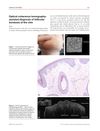
February 2015 in “JEADV. Journal of the European Academy of Dermatology and Venereology/Journal of the European Academy of Dermatology and Venereology” OCT can non-invasively diagnose follicular keratosis and other hair follicle disorders.
4 citations
,
February 2018 in “Facial Plastic Surgery” A minimally invasive brow lift can effectively manage heavy brows for a natural look.
1 citations
,
November 2018 FUE is a minimally invasive hair transplant method using various donor sites.
 1 citations
,
October 2010 in “Series in cosmetic and laser therapy”
1 citations
,
October 2010 in “Series in cosmetic and laser therapy” Mesotherapy is a minimally invasive treatment with potential benefits and risks, requiring standardized practices and further investigation.