6 citations
,
July 2004 in “JDDG Journal der Deutschen Dermatologischen Gesellschaft” Frontal fibrosing alopecia in postmenopausal women can be managed with early treatment using corticosteroids to stop hair loss.
 19 citations
,
January 2021 in “Experimental dermatology”
19 citations
,
January 2021 in “Experimental dermatology” Acne inversa is an epithelial-driven disease where inflammation is caused by cyst rupture, and treatments should focus on preventing tendril growth for better results.
 September 2021 in “CRC Press eBooks”
 Lichen planopilaris causes permanent hair loss and scarring due to damage to hair follicles and can be mistaken for other hair loss conditions.
 4 citations
,
January 2014 in “Dermatology”
4 citations
,
January 2014 in “Dermatology” A woman with acne and baldness was found to have a rare ovarian condition but successfully had a child through fertility treatment.
November 2021 in “SPAST Abstracts” The EFH-SLM cream is more effective and gentler for treating excessive hair growth in women.
The patient improved with treatment for depilating folliculitis.
July 2020 in “Experimental Dermatology” Aging causes hair thinning in women due to changes in the scalp environment.
 December 2021 in “Aegean journal of obstetrics and gynecology”
 A woman's male-like physical changes were caused by two rare ovarian conditions.
July 2019 in “Zenodo (CERN European Organization for Nuclear Research)” Follicular mucinosis in a 15-year-old is usually harmless but needs monitoring for possible lymphoma.
January 2024 in “International Journal of Trichology” Recognizing perinevoid alopecia and concentric regrowth is important for diagnosing and treating alopecia areata.
67 citations
,
January 1992 in “Journal of Investigative Dermatology”  March 2026 in “Dermatology Online Journal”
 Cystic panfolliculoma is a rare, harmless tumor that can be confused with other skin tumors.
5 citations
,
August 2001 in “International Journal of Dermatology” A 20-year-old had hair loss and skin issues from lichen planopilaris starting at age 10.
 7 citations
,
April 2007 in “PubMed”
7 citations
,
April 2007 in “PubMed” Finasteride, a hair loss drug, caused a skin rash that went away when the drug was stopped and returned when used again.
August 2024 in “Postgraduate Medical Journal” A rare skin reaction from cancer treatment was successfully managed with topical treatments and antihistamines.
5 citations
,
January 1999 in “Journal of dermatological treatment” Bioré Pore Perfect strips effectively and safely clean pores on the nose.
Linalool in personal care products may worsen frontal fibrosing alopecia by damaging hair follicle stem cells and triggering harmful immune responses.
A young woman with kidney failure had hair loss due to a common hormonal disorder, which improved with hormone therapy.
4 citations
,
November 2020 in “Case reports in dermatology” A rare skin condition causes red, dark, bumpy facial lesions.
 14 citations
,
January 2006 in “Australasian journal of dermatology”
14 citations
,
January 2006 in “Australasian journal of dermatology” Alopecia areata can look like frontal fibrosing alopecia, making diagnosis hard.
 February 2020 in “International Journal of Research in Dermatology”
 EPDS is a rare, chronic scalp condition that's hard to treat and needs better awareness for improved outcomes.
19 citations
,
July 2004 in “Clinical and experimental dermatology” Acneiform follicular mucinosis can be controlled with systemic corticosteroids.
6 citations
,
June 2010 in “Dermatologica Sinica” Panfolliculoma is a rare, non-cancerous growth related to hair follicles.
 September 2023 in “Clinical, cosmetic and investigational dermatology”
 A patient with a rare form of lupus improved after treatment for skin ulcers and hair loss on the face and scalp.
5 citations
,
February 2015 in “Ophthalmic plastic and reconstructive surgery” Two new types of eyelid cysts were identified, each with different treatment challenges.
9 citations
,
October 2015 in “Journal of Cutaneous Pathology” Erythematous papulopustular eruptions in cancer patients using EGFR inhibitors show specific skin changes that vary with severity and treatment type.
 3 citations
,
May 2011 in “Journal of the American Academy of Dermatology”
3 citations
,
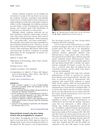
May 2011 in “Journal of the American Academy of Dermatology” A woman's excessive hair growth around a leg ulcer was linked to a treatment with Prostaglandin E1 ointment.
 23 citations
,
September 2014 in “JEADV. Journal of the European Academy of Dermatology and Venereology/Journal of the European Academy of Dermatology and Venereology”
23 citations
,
September 2014 in “JEADV. Journal of the European Academy of Dermatology and Venereology/Journal of the European Academy of Dermatology and Venereology” Laser treatments are the most effective for porokeratotic adnexal ostial nevus.
10 citations
,
September 1994 in “International Journal of Dermatology” Three Iranian men had reddish-brown facial pigmentation with no effective treatment.
October 2024 in “Journal of Pakistan Association of Dermatologists” Hair regrowth is more likely in discoid lupus erythematosus than in follicular lichen planus.