37 citations
,
November 2011 in “Photodermatology Photoimmunology & Photomedicine” Narrowband UVB phototherapy alone is not very effective for treating alopecia areata.
 9 citations
,
May 2013 in “JAMA Dermatology”
9 citations
,
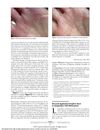
May 2013 in “JAMA Dermatology” Sunlight exposure improved a patient's skin condition, and there may be a link between a certain disease and skin growths; a leukemia treatment caused changes in hair color and growth.
 1 citations
,
September 2025 in “Journal of Zhejiang University SCIENCE B”
1 citations
,
September 2025 in “Journal of Zhejiang University SCIENCE B” Photodynamic therapy successfully treated skin cancer in a 53-year-old woman.
 150 citations
,
April 1999 in “Dermatologic Clinics”
150 citations
,
April 1999 in “Dermatologic Clinics” Laser hair removal effectiveness depends on targeting hair structures without harming the skin, and improvements require more research and expert collaboration.
April 2010 in “Cancer Research” Basal cell carcinomas may use IDO to protect themselves from the immune system.
February 2020 in “Journal of Physics Conference Series” 755 nm laser at 10-15 J/cm² is best for light skin, 4.5-10 J/cm² at 755-1064 nm for dark skin.
4 citations
,
February 2023 in “Frontiers in Oncology” Nano-Pulse Stimulation™ Therapy is more effective and less damaging than cryoablation for treating melanoma tumors in mice.
9 citations
,
June 2009 in “Cell Proliferation” Cream 1 protects skin nerve endings from UV damage.
January 2024 in “International Journal of Physics and Applications” Low-level laser therapy can boost cell activity and energy production.
November 2025 in “Journal of Investigative Dermatology” Tanning ability is linked to specific DNA changes in skin genes.
 6 citations
,
June 2013 in “British Journal of Dermatology”
6 citations
,
June 2013 in “British Journal of Dermatology” Intense pulsed light treatment mainly damages pigmented hair parts but spares stem cells, allowing hair to regrow.
 160 citations
,
December 2016 in “Journal of biophotonics”
160 citations
,
December 2016 in “Journal of biophotonics” Low-level laser therapy, now called photobiomodulation, is recognized for its broad medical applications and scientific backing.
54 citations
,
November 2014 in “JEADV. Journal of the European Academy of Dermatology and Venereology/Journal of the European Academy of Dermatology and Venereology” Combining LFQS and IPL is more effective and faster for treating melasma than LFQS alone.
April 2025 in “Journal of Biophotonics” PBM therapy improves mitochondrial function and promotes tissue regeneration in dental pulp stem cells.
Lightly perming scalp hair can lead to new hair growth, potentially treating baldness.
 17 citations
,
January 2024 in “Journal of Materials Chemistry B”
17 citations
,
January 2024 in “Journal of Materials Chemistry B” A new nanoagent effectively kills bacteria and speeds up wound healing.
June 2024 in “Lasers in Surgery and Medicine” The cooling system effectively and safely treats benign pigmented lesions in Asians.
4 citations
,
September 2021 in “Medical Lasers” Low-level laser therapy effectively prevents and treats oral mucositis.
52 citations
,
June 2009 in “Clinical Toxicology” Polonium poisoning is diagnosed by detecting it in urine and feces, and treated with supportive care, infection prevention, and chelation therapy.
January 2025 in “Journal of Bioresource Management” ATR is crucial for DNA repair and cell survival after UV exposure.
4 citations
,
April 2014 in “Lasers in Surgery and Medicine” TRASER effectively targets blood vessels and hair follicles for potential use in vascular and hair removal treatments.
3 citations
,
February 2013 in “Actas dermo-sifiliográficas/Actas dermo-sifiliográficas” A 6-year-old boy developed excessive hair growth after taking diazoxide for low blood sugar.
 June 2001 in “Proceedings of SPIE”
 Low energy laser therapy effectively treats certain skin conditions and improves recovery time without side effects.
27 citations
,
January 2018 in “Drug Delivery” GC10/DOX hydrogel shows promise as an effective thyroid cancer treatment.
 4 citations
,
December 2024 in “Clinical Cosmetic and Investigational Dermatology”
4 citations
,
December 2024 in “Clinical Cosmetic and Investigational Dermatology” Combining baricitinib with UV-B therapy effectively treats non-segmental vitiligo and is well-tolerated.
 13 citations
,
July 2011 in “Photomedicine and laser surgery”
13 citations
,
July 2011 in “Photomedicine and laser surgery” Coloring white hair before IPL treatment effectively helps remove it.
9 citations
,
May 2016 in “Clinics in dermatology” Phototherapy can help treat hair loss in alopecia areata.
 April 2019 in “Archives of aesthetic plastic surgery”
 Higher fluences in 808-nm diode laser treatments are more effective for axillary hair removal.
18 citations
,
April 1989 in “Clinics in Dermatology” The argon gas-based cryotherapy effectively reduced keloid scars but caused some hypopigmentation and had a recurrence rate, especially in Afro-American patients.
47 citations
,
October 2015 in “Dermatologic surgery” The 308-nm excimer laser is effective for skin conditions but needs more research on long-term effects.