 January 2011 in “Journal of The American Academy of Dermatology”
 A man developed a painful skin condition after multiple heart procedures involving radiation.
 April 2024 in “Lasers in medical science”
 Near-infrared LED light improves skin rejuvenation and hair growth better than white LED light.
 9 citations
,
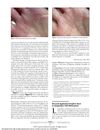
May 2013 in “JAMA Dermatology”
9 citations
,
May 2013 in “JAMA Dermatology” Sunlight exposure improved a patient's skin condition, and there may be a link between a certain disease and skin growths; a leukemia treatment caused changes in hair color and growth.
September 2017 in “Journal of Investigative Dermatology” Photodynamic therapy can potentially remove nonpigmented hair by damaging hair follicles.
 45 citations
,
June 2004 in “Lasers in Medical Science”
45 citations
,
June 2004 in “Lasers in Medical Science” Intense pulsed light (IPL) is an efficient and safe method for hair removal, reducing hair by about 80%.
 May 2026 in “Archives of Dermatological Research”
 Vitamin E and gamma-oryzanol protect hair from UV damage.
 20 citations
,
April 1999 in “British journal of plastic surgery”
20 citations
,
April 1999 in “British journal of plastic surgery” Ruby laser hair removal significantly reduces hair density.
June 2025 in “Clinical and Experimental Dermatology” A 76-year-old man's grey hair turned back to its original color after radiotherapy.
 December 2020 in “Research Square (Research Square)”
 150 kHz Electromagnetic Radiation seems to reduce the number and size of ovarian cysts in rats with PCOS, with minimal changes in developing follicles.
4 citations
,
July 2025 in “Frontiers in Pharmacology” Cooling with antioxidants helps protect hair during chemotherapy.
November 2025 in “OPAL (Open@LaTrobe) (La Trobe University)” A new treatment effectively kills antibiotic-resistant bacteria and helps wounds heal faster by boosting the immune response.
3 citations
,
March 2013 in “QScience Connect” Photodynamic therapy with methylene blue and a laser effectively destroys hair follicles better than traditional laser hair removal.
 June 2001 in “Proceedings of SPIE”
 Low energy laser therapy effectively treats certain skin conditions and improves recovery time without side effects.
January 2024 in “International Journal of Physics and Applications” Low-level laser therapy can boost cell activity and energy production.
 September 2024 in “Journal of Cosmetic Dermatology”
 Follow these guidelines to safely and effectively use energy-based devices in aesthetic treatments.
13 citations
,
November 2021 in “Frontiers in Molecular Biosciences” Reducing reactive oxygen species can help treat nerve damage from platinum cancer drugs.
November 2025 in “ACS Nano” The microreactor effectively fights antibiotic-resistant infections and promotes tissue healing.
 June 2026 in “Lasers in Medical Science”
 Diode laser is more effective but more painful than intense pulsed light for hair removal.
1 citations
,
January 2009 in “Elsevier eBooks” Lasers can reduce hair growth but may also damage skin.
 December 2024 in “Problems of Biological Medical and Pharmaceutical Chemistry”
 Students from the Middle East and Moscow have different hair element levels due to their environments.
 1 citations
,
March 2024 in “Journal of Cellular and Molecular Medicine”
1 citations
,
March 2024 in “Journal of Cellular and Molecular Medicine” 4-octyl itaconate may prevent hearing loss caused by the drug cisplatin by activating certain cell protection pathways.
39 citations
,
June 1999 in “Seminars in cutaneous medicine and surgery” Optical hair removal devices showed potential for long-term hair removal in 1999.
3 citations
,
September 2015 in “Plastic and reconstructive surgery/PSEF CD journals” Pulsed Electric Fields can effectively stimulate hair growth in rats.
 10 citations
,
January 2007 in “Journal of cosmetic and laser therapy”
10 citations
,
January 2007 in “Journal of cosmetic and laser therapy” The IPL device is safe, effective, and has high patient satisfaction for hair removal.
60 citations
,
August 1969 in “British Journal of Dermatology” Germicides mostly stay on the skin's surface, but some penetrate deeper depending on the product used.
4 citations
,
February 2023 in “Frontiers in Oncology” Nano-Pulse Stimulation™ Therapy is more effective and less damaging than cryoablation for treating melanoma tumors in mice.
16 citations
,
November 2017 in “British Journal of Dermatology” Cells in hair die by breaking down their DNA and mitochondria as they form keratin.
 December 2024 in “Journal of Biophotonics”
 Dual wavelength LEDs may help reduce hair loss by lowering DHT levels.
7 citations
,
January 2002 in “PubMed” Prolonged UVB exposure causes significant skin changes and damage in rats.
15 citations
,
December 2020 in “The Journal of General Physiology” Acid can block TRPV3 from outside the cell but boost its function from inside.