 136 citations
,
April 2013 in “Clinical Cancer Research”
136 citations
,
April 2013 in “Clinical Cancer Research” The drug IPI-926 is safe at 160 mg daily and may help treat certain tumors, especially basal cell carcinoma.
54 citations
,
February 1994 in “Journal of Investigative Dermatology” Ivarmacitinib effectively regrows hair in severe alopecia areata.
36 citations
,
May 2005 in “BMC dermatology” DPCP is effective for treating severe alopecia areata, but relapse is common.
3 citations
,
January 2005 in “Photochemistry and Photobiology” Protein kinase C epsilon may promote skin cancer development after UV exposure by affecting nearby cells.
28 citations
,
January 2005 in “Photochemistry and Photobiology” Protein kinase C epsilon may increase skin cancer risk by affecting nearby cells.
 October 2024 in “International Journal of Medical Arts”
 Corticosteroids regrow hair better and faster than pentoxifylline for alopecia areata.
August 2025 in “International Journal of Scientific Research” PRP is a promising alternative for alopecia areata due to its safety and patient satisfaction.
 February 2023 in “Military Medical Science Letters”
 Platelet-rich plasma treatments reduce knee osteoarthritis inflammation, with pure PRP being more effective.
1 citations
,
November 2024 in “Blood” PI3Kδ inhibition may effectively treat cutaneous chronic graft-versus-host disease.
 January 2005 in “Elektronische Hochschulschriften der LMU München (Ludwig-Maximilians-Universität München)”
 Topical immunotherapy with DPCP is most effective for certain alopecia areata types, with success linked to age and disease duration, and influenced by a gene polymorphism.
20 citations
,
November 2014 in “JAMA dermatology” The 810-nm diode laser improves skin texture in keratosis pilaris but not redness.
 16 citations
,
July 2018 in “Dermatologic Surgery”
16 citations
,
July 2018 in “Dermatologic Surgery” iL-PRF treatment improves hair growth for androgenetic alopecia.
 January 1999 in “Journal of the European Academy of Dermatology and Venereology”
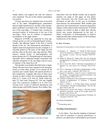
 RAPK is a rare skin disorder with pigmented spots, mainly on hands and feet, starting in youth.
14 citations
,
May 2022 in “International Journal of Molecular Sciences” Platelet-rich plasma improves bladder function and reduces overactivity in ketamine-induced bladder issues.
2 citations
,
September 2023 in “Journal of the American Academy of Dermatology” Ixekizumab quickly and effectively clears palmoplantar psoriasis in both adults and children.
5 citations
,
January 2021 in “Indian Journal of Pharmacology” Nilotinib can cause generalized keratosis pilaris.
January 2014 in “프로그램북(구 초록집)” Platelet-rich plasma treatments help hair growth in people with hair loss by increasing certain cell growth and protein levels.
 3 citations
,
January 2005 in “Biological & Pharmaceutical Bulletin”
3 citations
,
January 2005 in “Biological & Pharmaceutical Bulletin” The peptide GPIGS helps hair cells grow and speeds up hair regrowth in mice.
29 citations
,
March 2016 in “Dermatologic therapy” Platelet-rich plasma may successfully treat lichen planopillaris, as shown by one patient's symptom regression.
1 citations
,
February 2023 in “Pediatric Dermatology” Early recognition of symptoms is crucial for treating IPEX syndrome with a stem cell transplant.
 June 2024 in “International Journal of Dermatology”
 Upadacitinib may effectively treat resistant lichen planopilaris.
Adding a topical agent to IPL improves hair reduction and satisfaction without extra side effects.
11 citations
,
November 2002 in “Dermatologic Surgery” IPL can cause unexpected hair growth in nearby untreated areas.
19 citations
,
September 1971 in “Journal of Investigative Dermatology”  22 citations
,
December 2013 in “Molecular biology of the cell”
22 citations
,
December 2013 in “Molecular biology of the cell” ILK is essential for proper hair follicle development and structure.
2 citations
,
January 2023 in “Dermatologic Therapy” CEFFE injections effectively and safely improve postinflammatory hyperpigmentation.
 April 2017 in “Journal of Investigative Dermatology”
 Triptolide effectively and safely reduces actinic keratosis lesions in mice.
 108 citations
,
December 2003 in “Lasers in surgery and medicine”
108 citations
,
December 2003 in “Lasers in surgery and medicine” ICG-enhanced NIR laser therapy may be a promising acne treatment with improvement and no side effects.
 December 2024 in “Biological and Clinical Sciences Research Journal”
 Injectable platelet-rich fibrin (I-PRF) is more effective than platelet-rich plasma (PRP) for treating hair loss.