May 2024 in “Drugs & Therapy Perspectives” New treatments like JAK inhibitors offer hope for better alopecia areata management.
63 citations
,
July 2018 in “The journal of investigative dermatology/Journal of investigative dermatology” JAK inhibitors can effectively reverse hair loss in people with alopecia areata.
January 2019 in “프로그램북(구 초록집)” Both tofacitinib and ruxolitinib are effective and tolerable for treating alopecia areata.
 12 citations
,
March 2013 in “Gynecological Endocrinology”
12 citations
,
March 2013 in “Gynecological Endocrinology” The study found a significant link between the renin-angiotensin system and insulin resistance in women with polycystic ovary syndrome.
5α-reductase inhibitors effectively treat enlarged prostate and hair loss but require careful use due to possible side effects.
 August 2023 in “Journal of inflammation research”
 An elderly Chinese man lost all his hair after taking a new heart medication.
9 citations
,
April 2009 in “Dermatologic surgery” Infrared light might help treat stubborn alopecia areata.
April 2019 in “Journal of the Endocrine Society” A young patient with unusual insulin resistance and high testosterone levels had a rare INSR gene mutation.
2 citations
,
November 2004 in “Hospital pharmacy” Certain medications can cause serious side effects, so it's important to report them.
 April 2023 in “The journal of investigative dermatology/Journal of investigative dermatology”
 Too much IKZF1 and Ikaros protein may cause alopecia areata.
 January 2026 in “Dermatology and Therapy”
 Patients with alopecia areata on ritlecitinib responded well to tetanus and meningococcal vaccines.
 July 2010 in “Hair transplant forum international”
 The ABHRS held a test in Capri, Italy.
 December 2025 in “International Journal of Innovative Technologies in Social Science”
 Oral JAK inhibitors effectively treat alopecia areata and are generally well-tolerated.
May 2023 in “Acta Oncologica” 5α-reductase inhibitors do not improve survival in oesophageal and gastric cancer patients.
February 2025 in “Canadian Journal of Health Technologies” Baricitinib is effective and cost-efficient for treating severe alopecia areata in adults.
7 citations
,
September 2024 in “The Journal of Dermatology” Ritlecitinib helps regrow hair in people with alopecia totalis and universalis and is safe to use.
Ajuga reptans L. extracts have strong antioxidant, anti-inflammatory, liver-protective, antimicrobial, and wound-healing properties.
25 citations
,
January 1944 in “Experimental Biology and Medicine” Inositol prevents hair loss and improves health in rats.
July 2025 in “Journal of Investigative Dermatology” Ritlecitinib reduces alopecia areata symptoms by blocking JAK3/TEC signaling and T-cell activity.
 June 2024 in “Military medicine”
 JAK inhibitors like baricitinib and ritlecitinib are effective new treatments for severe alopecia areata.
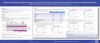 November 2024 in “SKIN The Journal of Cutaneous Medicine”
 Ritlecitinib effectively promotes hair regrowth in severe and very severe alopecia areata.
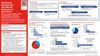 November 2024 in “SKIN The Journal of Cutaneous Medicine”
 Baricitinib is widely used for several conditions, especially COVID-19, but its safety and effectiveness are still being evaluated.
January 2025 in “Buleria (Universidad de León)”  January 2024 in “Pediatric rheumatology online journal”
 Early genetic testing and JAK inhibitors can help treat systemic inflammation in SAVI patients.
6 citations
,
January 1977 in “Archives of dermatological research” Mobe and Antarasa can be used as natural preservatives for red snapper fillets.
September 2023 in “Journal of the American Academy of Dermatology” ICI therapy increases the risk of gastrointestinal and endocrine issues in psoriasis patients.
January 2013 in “International Society of Hair Restoration Surgery” May 2023 in “Reactions Weekly”