Search
for
Sort by
Research
900-930 / 1000+ results
research N‑K GM SERIES: THE COMPLETE GEOMETRIC MEDICINE LIBRARY — From Discovery to Deployment: SELECTIVE‑ANTI‑BACTERIAL‑GM2, SELECTIVE‑ANTI‑PATHOGENIC‑FUNGI‑GM2, and the CMC Pocket Delivery System A Comprehensive Framework for Precision Antimicrobials — 1,000,000,000:1 Selectivity, Zero Ecological Harm, Free for Humanity
The N-K GM Series offers highly selective, eco-friendly medicines targeting harmful microbes, free for personal use.
research Human Hair Pigment: A Mild Isolation Procedure and a Method for Characterization
A new method was developed to gently isolate hair pigment while keeping its structure intact.
research Problems Associated with the Recognition and Confirmation of Low-Dose Endocrine Toxicities
Confirming low-dose endocrine toxicities is difficult and requires more research.
research SAT0631-HPR WHEN CAN I STOP MY STEROIDS? THE PATIENT PERSPECTIVE ON GLUCOCORTICOID USAGE IN ADULT INFLAMMATORY MYOPATHY
Patients need better information about the risks of long-term steroid use.
research Evaluation of Glutathione-Related Antioxidant Enzyme Activity in Patients with Polycystic Ovary Syndrome (PCOS) and Investigation of Clinical Correlations
Higher ꝩ-GCS enzyme levels in PCOS patients may play a role in the disease.
research PLASMA C19 STEROID SULPHATE LEVELS AND INDICES OF ANDROGEN BIOAVAILABILITY IN FEMALE PATTERN ANDROGENIC ALOPECIA
Women with female pattern hair loss have higher levels of certain androgens, suggesting increased androgen exposure to hair follicles.
research Understanding the formation mechanism of drug-polymer inclusion complex by structure elucidation and theoretical calculation
The research found how certain drugs and polymers form stable complexes, which could help develop new pharmaceutical forms.
research In vitro and in vivo study of dye diffusion into the human skin and hair follicles
Dyes can penetrate human skin and hair follicles up to 1.2 mm deep and the sebaceous gland can store dye; Indocyanine Green lotion was made for safe dyeing and monitoring.
research Biomonitoring of arsenic, lead, manganese and mercury in hair from a presumably exposed Uruguayan child population

research The Nuclear Vitamin D Receptor: Biological and Molecular Regulatory Properties Revealed
The vitamin D receptor is crucial for bone health and affects various body systems, with mutations potentially leading to disease.

research Melatonin membrane receptors in peripheral tissues: Distribution and functions
Melatonin affects many body functions beyond sleep by interacting with specific receptors in various tissues.
research SKPs Derive from Hair Follicle Precursors and Exhibit Properties of Adult Dermal Stem Cells
SKPs are similar to adult skin stem cells and could help in skin repair and hair growth.
research Intradermal adipocytes mediate fibroblast recruitment during skin wound healing
Fat cells help recruit healing cells and build skin structure during wound healing.
research Cutaneous Androgen Metabolism: Basic Research and Clinical Perspectives
Creating stronger blockers for skin enzymes might lead to better treatment for conditions like acne and excessive hair growth.
research A Hot New Twist to Hair Biology
Capsaicin, found in chili peppers, can slow down hair growth by affecting skin cells and hair follicles.

research Mechanical stretch induces hair regeneration through the alternative activation of macrophages
Mechanical stretching of the skin can promote hair growth by activating certain immune cells.

research Skin CD4+ memory T cells exhibit combined cluster-mediated retention and equilibration with the circulation
Memory T cells in the skin balance staying put and moving into the blood, clustering around hair follicles, and increasing in number after infection.

research Historical and Current Adenosine Receptor Agonists in Preclinical and Clinical Development
The document concludes that adenosine receptor agonists have potential for treating various conditions, but only a few are approved due to challenges like side effects and the need for selective activation.
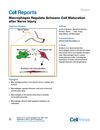
research Macrophages Regulate Schwann Cell Maturation after Nerve Injury
Macrophages help heal nerves by aiding the maturation of Schwann cells and are important for nerve repair.
research Probiotic Bacteria Induce a ‘Glow of Health’
Probiotic bacteria improved skin and hair health in aged mice.

research What’s Sex Got to Do With COVID-19? Gender-Based Differences in the Host Immune Response to Coronaviruses
Men generally have more severe COVID-19 cases and higher death rates than women due to biological differences.

research Dermatologic Changes Associated With Interleukin 2 Administration
IL-2 treatment causes skin eruptions and other reversible side effects, and may play a role in psoriasis.
research Rhodococcus equi: Clinical Manifestations, Virulence, and Immunity
Rhodococcus equi causes severe pneumonia in young foals, and effective vaccines are needed due to foals' weak immune responses.

research Deep Insight of Design, Mechanism, and Cancer Theranostic Strategy of Nanozymes
Nanozymes show promise for effective and safe cancer treatment.

research Quantitative Single-Cell Approaches to Stem Cell Research
New single-cell analysis techniques are improving our understanding of stem cells and could help in treating diseases.

research Androgenetic Alopecia
Male pattern hair loss is genetic and influenced by hormones, with treatments like minoxidil and surgery available.

research Differentiation of Mouse Induced Pluripotent Stem Cells into a Multipotent Keratinocyte Lineage
Scientists turned mouse stem cells into skin cells that can grow into skin layers and structures.

research Towards Dissecting the Pathogenesis of Retinoid-Induced Hair Loss: All-Trans Retinoic Acid Induces Premature Hair Follicle Regression (Catagen) by Upregulation of Transforming Growth Factor-β2 in the Dermal Papilla
All-trans retinoic acid causes hair loss by increasing TGF-β2 in hair follicle cells.
research Extracellular Matrix Degradation Products and Low-Oxygen Conditions Enhance the Regenerative Potential of Perivascular Stem Cells
Low-oxygen conditions and ECM degradation products increase the healing abilities of perivascular stem cells.