 April 2021 in “Research Square (Research Square)”
 The new cocrystal KET-PABA is a more effective and safe anti-inflammatory treatment for skin conditions in mice.
28 citations
,
January 2016 in “RSC Advances” A non-toxic formula using polycarboxylic acids strengthens and improves hair.
3 citations
,
January 1993 in “Toxicological Sciences” 2-Ethylhexanoic acid harms fertility and delays development in rats.
1′S-1′-Acetoxychavicol acetate may help treat hair loss by reducing oxidative stress.
 April 2024 in “Research Square (Research Square)”
 16-MHA can restore the barrier and moisture of damaged hair, making it similar to undamaged hair.
3 citations
,
May 2018 in “Psychiatry and Clinical Psychopharmacology” N-acetylcysteine may help treat trichotillomania.
1 citations
,
May 2025 in “Cytotechnology” Icariside II may help treat gastric cancer by stopping tumor growth.
 15 citations
,
January 2014 in “Medicinal chemistry”
15 citations
,
January 2014 in “Medicinal chemistry” Some new isatin compounds could be strong cancer-fighting drugs because they fit well in cancer-related proteins and have good drug-like properties.
 May 2026 in “BMC Medicine”
 ACOD1 deficiency worsens hair loss by causing cell aging and mitochondrial problems, but 4-OI may help.
 18 citations
,
May 1988 in “Journal of The American Academy of Dermatology”
18 citations
,
May 1988 in “Journal of The American Academy of Dermatology” Itraconazole helps improve tough skin infections but may not prevent them from coming back.
3 citations
,
December 2018 in “Biomedical and pharmacology journal/Biomedical & pharmacology journal” Compound 3 protects the heart from damage by activating A1-adenosine receptors.
4 citations
,
November 2024 in “Scientific Reports” 16-MHA can restore damaged hair's protective barrier and moisture balance.
 April 2018 in “Journal of Investigative Dermatology”
 Nicotinic acid reduces excessive oil production in skin cells by activating a specific receptor, which could help treat acne.
75 citations
,
September 1971 in “British Journal of Dermatology” Both steroids effectively promote hair growth for at least 9 months.
 118 citations
,
May 2015 in “European journal of pharmaceutics and biopharmaceutics”
118 citations
,
May 2015 in “European journal of pharmaceutics and biopharmaceutics” The hydrogel with a 1:3 ratio of hydroxyethyl cellulose to hyaluronic acid is effective for delivering drugs through the skin to treat acne.
 September 2024 in “Skin Appendage Disorders”
 Tofacitinib helped a woman regrow her hair without relapses after other treatments failed.
12 citations
,
July 2017 in “International Journal of Cosmetic Science” N‐AOHPA is a promising alternative to traditional surfactants for better hair conditioning.
January 2007 in “Fashion & Textile Research Journal” Ethanol extracts of Aconitum koreanum improved cholesterol levels and protein recovery in rats.
14 citations
,
January 1991 in “PubMed” Oxiconazole nitrate cream is effective and well-tolerated for treating various fungal skin infections.
 1 citations
,
September 2023 in “Applied sciences (Basel)”
1 citations
,
September 2023 in “Applied sciences (Basel)” Ishige sinicola extract may help prevent muscle atrophy through its antioxidant and anti-inflammatory effects.
 January 2026 in “Frontiers in Immunology”
 Icariin can regulate macrophages and may help treat inflammation, cancer, bone disorders, and fibrotic diseases.
25 citations
,
November 1994 in “The Journal of Dermatologic Surgery and Oncology” Acetone is not more effective than other degreasers and is more flammable.
 87 citations
,
March 2000 in “American Journal of Clinical Dermatology”
87 citations
,
March 2000 in “American Journal of Clinical Dermatology” Alpha-hydroxy acids, like glycolic acid, safely improve skin issues and work on all skin types.
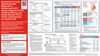 November 2025 in “SKIN The Journal of Cutaneous Medicine”
 Baricitinib significantly regrows hair in teens with severe alopecia areata.
1 citations
,
November 2005 in “PubMed” Itraconazole effectively treats scalp fungus, with continuous use more effective than pulse therapy.
 October 2022 in “Portuguese journal of dermatology and venereology”
 The best concentration of triamcinolone acetonide for treating alopecia areata is still unclear.
42 citations
,
June 2019 in “Aging” 3,4,5-tri-O-caffeoylquinic acid promotes hair growth by activating the β-catenin pathway.
 September 2025 in “The health sciences AUS.”
 Intralesional triamcinolone acetonide effectively treats acne keloidalis nuchae with minimal side effects.
August 2022 in “Journal of Investigative Dermatology” Baricitinib reduces inflammation and mitochondrial damage in skin cells.