2 citations
,
February 2016 in “Düşünen Adam” Venlafaxine can cause hair loss, which stops after discontinuation.
 April 2021 in “Research Square (Research Square)”
 The new cocrystal KET-PABA is a more effective and safe anti-inflammatory treatment for skin conditions in mice.
21 citations
,
March 2003 in “Acta Dermato Venereologica” Tacalcitol ointment effectively improves bilateral nevus comedonicus.
 6 citations
,
June 2013 in “Toxicological Research”
6 citations
,
June 2013 in “Toxicological Research” Topical Valproate is safe for human skin and unlikely to cause irritation.
April 2005 in “World Journal of Pharmaceutical and life sciences” Fluconazole-loaded hair gel may offer a longer-lasting dandruff treatment.
 29 citations
,
August 2007 in “Annals of Oncology”
29 citations
,
August 2007 in “Annals of Oncology” Docetaxel and oxaliplatin are effective and have manageable side effects for recurrent platinum-sensitive ovarian cancer.
14 citations
,
April 2022 in “Molecules” Pulmonary delivery of cepharanthine significantly improves its effectiveness and shows promise for treating lung fibrosis linked to COVID-19.
18 citations
,
August 2024 in “eLife” JAK inhibition may help manage autoimmune conditions in Down syndrome.
The cream with xyloglucan, pea protein, and cactus extract works as well as the standard treatment for psoriasis and is well-tolerated.
 June 2026 in “Saudi Medical Horizons Journal”
 JAK inhibitors show promise in treating skin conditions like eczema, hair loss, and vitiligo but need more safety research.
 January 2025 in “Geneesmiddelenbulletin”
 Baricitinib is effective and safe for treating severe alopecia areata with ongoing use.
3 citations
,
January 2018 in “Archives of Disease in Childhood” Switching to generic tacrolimus was safe, effective, and saved money.
Levetiracetam and valproate sodium both reduce seizures when added to lamotrigine, but levetiracetam has fewer side effects.
Avicennia Marina extract and avicequinone C can reduce hair loss hormone production and increase hair growth factors, suggesting they could be used to treat androgenic alopecia.
 65 citations
,
January 2005 in “American journal of clinical dermatology”
65 citations
,
January 2005 in “American journal of clinical dermatology” Children with scalp fungal infections need proper diagnosis and treatment, usually with antifungal medications, and newer drugs may offer quicker recovery.
 13 citations
,
July 2019 in “Toxicology research”
13 citations
,
July 2019 in “Toxicology research” Ethanamizuril is safe for rats at 20 mg/kg feed, but higher doses cause hair loss, organ changes, and liver, kidney, and lung damage.
3 citations
,
February 2019 in “Molecular genetics and metabolism” The combination of tadalafil and finasteride improves urinary symptoms and erectile function in men with enlarged prostates.
24 citations
,
November 1978 in “JAMA” Valproic acid is effective for various seizures, but may cause temporary side effects like drowsiness and stomach issues.
1 citations
,
November 2009 in “Nurse prescribing” Oral griseofulvin for 6-12 weeks cures most scalp fungal infections in children.
December 2018 in “Dermatologic Surgery” Using a 25% trichloroacetic acid peel improves dermabrasion results in vitiligo surgery.
3 citations
,
April 1977 in “PubMed” The treatment improved acne, seborrhoea, and hirsutism, with some side effects like spotting and nervousness.
 14 citations
,
January 2006 in “Skinmed”
14 citations
,
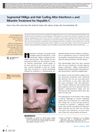
January 2006 in “Skinmed” A woman developed white patches on her skin and curly hair after hepatitis C treatment, likely due to the medication interferon alpha.
February 2025 in “Skin Appendage Disorders” Upadacitinib helps most people with alopecia regrow hair quickly and is generally safe.
December 2017 in “Annales de dermatologie et de vénéréologie” In 2017, pediatric dermatology advanced with new treatments and insights into various skin conditions in children.
44 citations
,
May 2023 in “MedComm” PROTAC technology shows promise for cancer treatment but needs more effective E3 ligase recruiters.
 August 2019 in “Reactions Weekly”
 Daclizumab may cause psoriasis-like skin problems in multiple sclerosis patients.
 August 2023 in “International journal of research in dermatology”
 Janus kinase inhibitors are effective and generally safe for treating hair loss in adults with alopecia areata.
October 2025 in “Figshare” Deuruxolitinib improves hair regrowth in alopecia areata but needs more safety research.
 October 2004 in “Australian Prescriber”
 Lifestyle changes are more effective than medication for reducing type 2 diabetes risk.
 August 2022 in “Scholars academic journal of pharmacy”
 Invasomes loaded with clotrimazole gel could improve drug delivery through the skin for fungal treatment.