 November 2025 in “Mendeley Data”
 JAK inhibitors can be safely used for alopecia areata in patients with latent hepatitis B or stable tuberculosis with proper monitoring.
 November 2025 in “Mendeley Data”
 JAK inhibitors can be safely used in alopecia areata patients with latent hepatitis B or tuberculosis, with proper monitoring.
November 2025 in “Journal of Investigative Dermatology” Combining MMP-9 and JAK inhibitors can effectively prevent skin depigmentation in vitiligo.
July 2026 in “Journal of the American Academy of Dermatology” Infections and missed treatments trigger flares in alopecia areata patients on JAK inhibitors.
 2 citations
,
March 2024 in “Meditsinskiy sovet = Medical Council”
2 citations
,
March 2024 in “Meditsinskiy sovet = Medical Council” JAK inhibitors effectively treat severe atopic dermatitis and alopecia areata.
 September 2023 in “JAAD case reports”
 A man developed oral hairy leukoplakia while on baricitinib, a medication for alopecia and arthritis, and doctors should watch for such side effects.
 October 2023 in “Frontiers in medicine”
 Comprehensive screening for infections is crucial before starting JAK inhibitors in alopecia areata patients.
January 2024 in “Updates in clinical dermatology” JAK inhibitors, PRP, and exosomes show promise for hair regrowth in Alopecia Areata.
Tofacitinib helped a woman with total-body hair loss grow her hair back.
130 citations
,
February 2019 in “JEADV. Journal of the European Academy of Dermatology and Venereology/Journal of the European Academy of Dermatology and Venereology” JAK inhibitors are effective for treating alopecia areata, with most patients seeing hair growth after treatment.
8 citations
,
November 2024 in “EMBO Molecular Medicine” Targeting JAK-STAT1 can reduce inflammation and promote hair growth in conditions linked to EGFR deficiency.
November 2025 in “Journal of Dermatological Treatment” Dexamethasone oral mini-pulse therapy effectively treats severe alopecia areata when JAK inhibitors can't be used.
 11 citations
,
October 2018 in “Pediatric dermatology”
11 citations
,
October 2018 in “Pediatric dermatology” Leflunomide and anthralin may effectively treat severe alopecia areata.
October 2025 in “International Journal of Dermatology” JAK inhibitors may help treat certain types of hair loss, but more research is needed.
 April 2023 in “Revista colombiana de reumatología”
 JAK inhibitors like tofacitinib can effectively treat severe alopecia areata.
 32 citations
,
April 2019 in “JAAD case reports”
32 citations
,
April 2019 in “JAAD case reports” JAK inhibitors helped treat hair loss in two people with Down syndrome.
 June 2025 in “Patient Preference and Adherence”
 Chinese patients with alopecia areata value JAK inhibitors but worry about side effects and relapse, highlighting the need for education and support.
 24 citations
,
January 2018 in “International Journal of Trichology”
24 citations
,
January 2018 in “International Journal of Trichology” Tofacitinib helped regrow hair in patients with alopecia, with few side effects.
14 citations
,
April 2021 in “International journal of molecular sciences” Mesenchymal stem cells may help treat hair loss by improving hair cell growth and reducing inflammation.
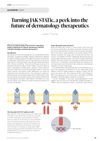 August 2024 in “New Zealand Medical Student Journal”
 JAK inhibitors show promise for treating skin diseases effectively and safely.
January 2026 in “Journal of Dermatology Research and Therapy” Combination therapy effectively regrows hair and reduces severity in Black children with stubborn Alopecia Areata.
 77 citations
,
June 2017 in “Advances in Therapy”
77 citations
,
June 2017 in “Advances in Therapy” New treatments for Alopecia Areata, like JAK inhibitors, show promise for hair regrowth and are likely to change future treatment approaches.
 30 citations
,
May 2016 in “Expert Opinion on Biological Therapy”
30 citations
,
May 2016 in “Expert Opinion on Biological Therapy” New treatments targeting immune pathways show promise for severe hair loss but need more research for safety and effectiveness.
 16 citations
,
July 2017 in “Rheumatology and Therapy”
16 citations
,
July 2017 in “Rheumatology and Therapy” Tofacitinib, a medication for arthritis, showed potential for treating severe hair loss in a small Brazilian case series, but more research is needed.
 October 2025 in “Dermatology and Therapy”
 Recognizing and treating related skin conditions can improve atopic dermatitis management.
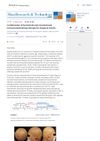 July 2023 in “Skin Research and Technology”
 Baricitinib combined with other immune therapies may safely and effectively treat severe scalp hair loss.
 1 citations
,
March 2024 in “Signal transduction and targeted therapy”
1 citations
,
March 2024 in “Signal transduction and targeted therapy” NF-κB signaling is crucial in many diseases and can be targeted for new treatments.
 July 2025 in “SKIN The Journal of Cutaneous Medicine”
 Adding dupilumab led to almost complete hair regrowth in a patient with alopecia areata who only partially responded to baricitinib.
25 citations
,
December 2017 in “The journal of investigative dermatology. Symposium proceedings/The Journal of investigative dermatology symposium proceedings” Targeted cytokine treatments may help with alopecia areata, but more research is needed.
 November 2025 in “Journal of Investigative Dermatology”
 Combination therapy, including JAK inhibitors, effectively regrows hair and reduces severity in Black children with stubborn Alopecia Areata.