 March 2025 in “Journal of Education Health and Sport”
 Alopecia areata causes hair loss due to immune issues, and while new treatments show promise, no universally effective solution exists yet.

Alopecia Areata causes hair loss and needs treatments that address both physical and emotional health.
Topical treatments like minoxidil and corticosteroids are effective for hair loss, with JAK inhibitors promising for alopecia areata.
Genetic analysis of rabbits identified key genes for traits like coat color, body size, and fertility.
 January 2024 in “Journal of Biosciences and Medicines”
 Future treatments for androgenic alopecia may focus on reactivating hair follicle stem cells and improving drug delivery.
 December 2023 in “Journal of Cosmetic Dermatology”
 Baricitinib effectively and safely improves hair growth in patients with severe alopecia areata.
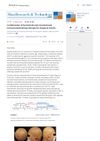 July 2023 in “Skin Research and Technology”
 Baricitinib combined with other immune therapies may safely and effectively treat severe scalp hair loss.
June 2020 in “Journal of Investigative Dermatology” The symposium highlighted the importance of genetics in understanding and treating complex skin diseases.
November 2022 in “Annals of Translational Medicine” Immune activities and specific genes are important in male pattern baldness.
290 citations
,
August 2021 in “Clinical Reviews in Allergy & Immunology” JAK inhibitors show promise for treating alopecia areata, but more research is needed.
23 citations
,
October 2020 in “Anais brasileiros de dermatologia/Anais Brasileiros de Dermatologia” Tailored treatments for alopecia areata are recommended based on severity and patient needs.
 1 citations
,
June 2023 in “Genes”
1 citations
,
June 2023 in “Genes” Hair loss from Alopecia Areata is caused by both genes and environment, with several treatments available but challenges in cost and relapse remain.
November 2025 in “Journal of Medicinal Chemistry” Topical PROTACs show promise for treating skin conditions but need better stability and delivery methods.
 May 2024 in “Journal of cosmetic dermatology”
 Tofacitinib is an effective and safe treatment for alopecia areata.
 July 2025 in “Frontiers in Medicine”
 Baricitinib successfully regrew hair in an 8-year-old boy with alopecia totalis linked to a KRT74 gene variant.
57 citations
,
August 2023 in “American Journal of Clinical Dermatology” JAK inhibitors and platelet-rich plasma show promise for treating alopecia areata.
56 citations
,
October 2016 in “Journal of dermatological science” New insights into the causes and treatments for the autoimmune hair loss condition Alopecia areata have been made.
36 citations
,
December 2021 in “The journal of allergy and clinical immunology/Journal of allergy and clinical immunology/The journal of allergy and clinical immunology” Two drugs, ritlecitinib and brepocitinib, improved scalp hair loss condition markers.
 33 citations
,
April 2020 in “Journal of Clinical Investigation”
33 citations
,
April 2020 in “Journal of Clinical Investigation” Stress in hair follicle stem cells causes inflammation in a chronic skin condition through a specific immune response pathway.
29 citations
,
January 2020 in “Frontiers in endocrinology” Fibrodysplasia ossificans progressiva is a rare genetic disorder that causes extra bone growth and symptoms of premature aging.
6 citations
,
May 2024 in “JAAD Case Reports” Topical ruxolitinib cream may help treat frontal fibrosing alopecia.
 6 citations
,
June 2022 in “Frontiers in Bioengineering and Biotechnology”
6 citations
,
June 2022 in “Frontiers in Bioengineering and Biotechnology” The gel with icariin speeds up wound healing, reduces scarring, and helps hair growth by controlling BMP4 signaling. It also reduces inflammation and improves wound quality in mice, adapts to different wound shapes, and gradually releases icariin to aid healing. It also prevents too much collagen and myofibroblast formation during skin healing.
 1 citations
,
October 2020 in “Journal of Investigative Dermatology Symposium Proceedings”
1 citations
,
October 2020 in “Journal of Investigative Dermatology Symposium Proceedings” The summit concluded that new treatments like Jak inhibitors show promise for Alopecia Areata and personalized approaches are needed.
 April 2026 in “microPublication”
 Minoxidil might partially activate estrogen receptors, affecting hair growth.
August 2025 in “American Journal of Dermatopathology” Accurate diagnosis and personalized treatment are crucial in dermatopathology.
 May 2025 in “Journal of Nanobiotechnology”
 The gel improves hair regrowth and reduces irritation in alopecia areata treatment.
 March 2025 in “Expert Opinion on Drug Discovery”
 New drug strategies are needed for better hair loss treatments.
 August 2024 in “Journal of Clinical Medicine”
 Systemic treatments like hydroxychloroquine and cyclosporine A help with Lichen Planopilaris and Frontal Fibrosing Alopecia, but ongoing treatment is needed.
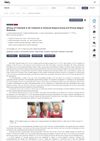
Tofacitinib may effectively treat hair loss and improve symptoms in autoimmune conditions like alopecia areata and Sjögren's syndrome, but long-term treatment might be necessary.
 2 citations
,
July 2022 in “Cell Regeneration”
2 citations
,
July 2022 in “Cell Regeneration” Understanding hair growth involves complex factors, and more research is needed to improve treatments for hair loss conditions.