 January 2025 in “Frontiers in Medicine”
 Hair follicles are key to treating vitiligo and alopecia areata, but challenges exist.
 December 2024 in “Frontiers in Pediatrics”
 Baricitinib improved platelet counts and alopecia in a 16-year-old with chronic immune thrombocytopenia.
 August 2024 in “EMJ Dermatology”
 Non-scarring alopecia in females affects emotional well-being and requires accurate diagnosis and personalized treatment.
 April 2024 in “JEADV clinical practice”
 Upadacitinib significantly improved both rheumatoid arthritis and alopecia areata in a patient.

Different stem cells are key for hair growth and health, and understanding their regulation could help treat hair loss.
 January 2024 in “Journal of Biosciences and Medicines”
 Future treatments for androgenic alopecia may focus on reactivating hair follicle stem cells and improving drug delivery.
 November 2023 in “Cell Proliferation”
 A protein from fat-derived stem cells, DKK1, is linked to hair loss and blocking it may help treat alopecia areata.
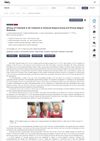
Tofacitinib may effectively treat hair loss and improve symptoms in autoimmune conditions like alopecia areata and Sjögren's syndrome, but long-term treatment might be necessary.
July 2021 in “Journal of dermatology & dermatologic surgery” IMTA can help regrow hair in severe alopecia areata when JAK inhibitors don't work well.
 January 2026 in “International Journal of Innovative Technologies in Social Science”
 JAK inhibitors show promise for treating alopecia areata, but more research is needed.

BMD-1141 effectively regrows hair in alopecia areata with less frequent dosing than current treatments.
 September 2023 in “Acta dermato-venereologica”
 Tofacitinib is a safe and effective treatment for hair loss in children with Alopecia Areata.
88 citations
,
August 2019 in “Frontiers in immunology” Tyrosine kinases are important in skin autoimmune diseases and could be targets for new treatments.
29 citations
,
February 2019 in “Journal of Microbiology and Biotechnology” Silibinin may help hair growth and treat hair loss.
24 citations
,
May 2022 in “BMC Veterinary Research” lncRNAs play a key role in hair follicle development, affecting cashmere quality and yield.
3 citations
,
September 2023 in “Genes” Dkk genes evolved faster in birds and reptiles, affecting hair development functions.
2 citations
,
May 2023 in “Frontiers in Pharmacology” Natural products may help treat skin inflammation from abnormal adrenal hormones.
 August 2024 in “Journal of Clinical Medicine”
 Systemic treatments like hydroxychloroquine and cyclosporine A help with Lichen Planopilaris and Frontal Fibrosing Alopecia, but ongoing treatment is needed.
 May 2024 in “Journal of cosmetic dermatology”
 Tofacitinib is an effective and safe treatment for alopecia areata.
290 citations
,
August 2021 in “Clinical Reviews in Allergy & Immunology” JAK inhibitors show promise for treating alopecia areata, but more research is needed.
70 citations
,
June 2023 in “International Journal of Molecular Sciences” Air pollution harms skin health and can worsen skin diseases.
21 citations
,
May 2017 in “Paediatric drugs” Individualized treatment plans are crucial for children with alopecia areata, with promising options like JAK inhibitors showing significant hair regrowth.
Polygonum multiflorum, especially emodin, may help treat hair loss by targeting specific proteins, offering a new approach beyond traditional therapies.
August 2025 in “Animal nutrition” α-Ketoglutaric acid improves hair growth, rabbit performance, and antioxidant levels.
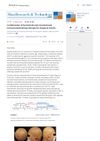 July 2023 in “Skin Research and Technology”
 Baricitinib combined with other immune therapies may safely and effectively treat severe scalp hair loss.
1 citations
,
October 2017 JAK inhibitors are effective for hair regrowth in severe alopecia areata.
36 citations
,
December 2021 in “The journal of allergy and clinical immunology/Journal of allergy and clinical immunology/The journal of allergy and clinical immunology” Two drugs, ritlecitinib and brepocitinib, improved scalp hair loss condition markers.
 4 citations
,
January 2023 in “The journal of allergy and clinical immunology/Journal of allergy and clinical immunology/The journal of allergy and clinical immunology”
4 citations
,
January 2023 in “The journal of allergy and clinical immunology/Journal of allergy and clinical immunology/The journal of allergy and clinical immunology” Biologics, especially Dupilumab, are effective and safe for treating severe childhood eczema.
 September 2025 in “Australasian Journal of Dermatology”
 New medications could improve treatment for severe alopecia areata in Australia.
 2 citations
,
October 2022 in “Journal of Biomedical Science”
2 citations
,
October 2022 in “Journal of Biomedical Science” Stem cells and their secretions could potentially treat stress-induced hair loss, but more human trials are needed.