 7 citations
,
May 2010 in “Journal of Dermatological Treatment”
7 citations
,
May 2010 in “Journal of Dermatological Treatment” A man with multiple autoimmune diseases developed liver injury from azathioprine, but his liver improved after stopping the drug.
August 2024 in “British Journal of Dermatology” Rezpegaldesleukin shows promise for treating severe alopecia areata.
 April 2021 in “Research Square (Research Square)”
 The new cocrystal KET-PABA is a more effective and safe anti-inflammatory treatment for skin conditions in mice.
 1 citations
,
September 2023 in “Dermatology and Therapy”
1 citations
,
September 2023 in “Dermatology and Therapy” Baricitinib helps improve hair growth in severe alopecia, with better results in less severe cases and higher doses working faster.
Mycophenolate mofetil is a good alternative for autoimmune hepatitis patients who can't tolerate azathioprine.
 1 citations
,
January 2020 in “Surgical & Cosmetic Dermatology”
1 citations
,
January 2020 in “Surgical & Cosmetic Dermatology” Combining oral minoxidil with JAK inhibitors helps regrow hair in severe alopecia areata cases.
 9 citations
,
July 2017 in “Journal of medical case reports”
9 citations
,
July 2017 in “Journal of medical case reports” Ruxolitinib treatment may cause eyelash growth.
 8 citations
,
June 2022 in “Frontiers in Medicine”
8 citations
,
June 2022 in “Frontiers in Medicine” Both individual and combined treatments of tofacitinib and corticosteroids can help regrow hair in moderate-to-severe alopecia areata, but ongoing treatment may be necessary.

Baricitinib quickly improved severe alopecia areata, with almost total hair regrowth in three months.
 October 2025 in “International Journal of Risk & Safety in Medicine”
 Oral tofacitinib successfully treated a girl's severe skin and hair conditions.
 11 citations
,
November 2019 in “Journal of the American Academy of Dermatology”
11 citations
,
November 2019 in “Journal of the American Academy of Dermatology” Oral tofacitinib is a promising treatment for beard hair loss in alopecia areata.
 2 citations
,
October 2018 in “Archives of Dermatological Research”
2 citations
,
October 2018 in “Archives of Dermatological Research” Tofacitinib helps mice grow more hair by increasing noggin and BMP4 levels, possibly better than minoxidil.
 May 2018 in “European Journal of Dermatology”
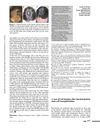
 Adjusting the medication tacrolimus resolved a boy's red nail beds after a stem cell transplant.
Baricitinib effectively promotes hair regrowth in severe alopecia with minimal side effects.
 November 2022 in “Journal of the Endocrine Society”
 Immunotherapy for cancer caused a patient to develop a condition affecting hormone production, requiring ongoing hormone replacement therapy.
1 citations
,
January 2024 in “ACS Medicinal Chemistry Letters” TYK2 inhibitors show promise for treating cancer and autoimmune disorders.
12 citations
,
March 2021 in “JAAD Case Reports” Nail changes from immunotherapy can be managed without stopping cancer treatment.
52 citations
,
February 2003 in “Archives of dermatology” 9-cis-retinoic acid showed some effectiveness in treating AIDS-related Kaposi sarcoma but had significant side effects at higher doses.
November 2025 in “FEBS Open Bio” JAK/STAT1 pathway causes hair loss during chemotherapy by reducing Shh in hair follicles.
November 2024 in “SKIN The Journal of Cutaneous Medicine” Baricitinib slightly increased cholesterol levels in alopecia areata patients, but these changes were manageable.
19 citations
,
August 2023 in “Journal of Dermatological Treatment” Abrocitinib may effectively treat stubborn alopecia universalis.
 November 2025 in “Clinical Cosmetic and Investigational Dermatology”
 Tofacitinib is effective and safe for treating severe alopecia areata.
 196 citations
,
September 2016 in “JCI insight”
196 citations
,
September 2016 in “JCI insight” Ruxolitinib effectively regrows hair in most patients with severe hair loss.
January 2016 in “Hair transplant forum international” Topical JAK inhibitors may help treat hair loss.
October 2025 in “Figshare” Deuruxolitinib improves hair regrowth in alopecia areata but needs more safety research.
 9 citations
,
May 2021 in “International Journal of Dermatology”
9 citations
,
May 2021 in “International Journal of Dermatology” The trial showed that a new under-the-tongue treatment for severe hair loss was somewhat effective in a small group of people.
 4 citations
,
January 2016 in “Dermatology Review”
4 citations
,
January 2016 in “Dermatology Review” Cancer treatments often cause skin, nail, and hair problems.
 5 citations
,
February 2019 in “bioRxiv (Cold Spring Harbor Laboratory)”
5 citations
,
February 2019 in “bioRxiv (Cold Spring Harbor Laboratory)” Rapamycin may help treat Leigh syndrome by targeting protein kinase C.
 1 citations
,
August 2021 in “Journal of The American Academy of Dermatology”
1 citations
,
August 2021 in “Journal of The American Academy of Dermatology” Baricitinib helped improve hair, eyebrow, and eyelash growth in alopecia areata patients.
 26 citations
,
October 2016 in “Case Reports in Dermatology”
26 citations
,
October 2016 in “Case Reports in Dermatology” A man with severe hair loss saw hair and nail improvement after 10 months on tofacitinib without side effects.