 159 citations
,
October 2015 in “Science Advances”
159 citations
,
October 2015 in “Science Advances” Blocking JAK-STAT signaling can lead to hair growth.
71 citations
,
May 2024 in “New England Journal of Medicine” Ruxolitinib may effectively treat APS-1 by reducing harmful immune responses.
50 citations
,
May 2021 in “Frontiers in immunology” Certain immune cells contribute to skin autoimmune diseases, and some treatments can reverse hair loss in these conditions.
 47 citations
,
December 2019 in “Frontiers in immunology”
47 citations
,
December 2019 in “Frontiers in immunology” A new mutation in the STING protein causes a range of symptoms and its severity may be affected by other genetic variations; treatment with a specific inhibitor showed improvement in one patient.
 40 citations
,
December 2016 in “Journal of Dermatological Treatment”
40 citations
,
December 2016 in “Journal of Dermatological Treatment” JAK inhibitors show promise for treating skin and hair disorders but need more research on long-term safety and effectiveness.
33 citations
,
January 2018 in “Blood” Ruxolitinib helps protect skin stem cells and keeps skin healthy in mice with skin GVHD.
15 citations
,
January 2022 in “Immune Network/Immune network” New targeted immunotherapies are improving treatment for inflammatory skin diseases.
 9 citations
,
July 2017 in “Journal of medical case reports”
9 citations
,
July 2017 in “Journal of medical case reports” Ruxolitinib treatment may cause eyelash growth.
4 citations
,
October 2018 in “JAMA Dermatology” Ruxolitinib may help treat hair loss and symptoms in patients with chronic graft-versus-host disease.
 3 citations
,
April 2016 in “The journal of investigative dermatology/Journal of investigative dermatology”
3 citations
,
April 2016 in “The journal of investigative dermatology/Journal of investigative dermatology” Curcumin applied to the skin can start hair growth in mice.
 2 citations
,
December 2023 in “Journal of clinical immunology”
2 citations
,
December 2023 in “Journal of clinical immunology” Ruxolitinib significantly improves multiple autoimmune conditions in APS-1 patients.
1 citations
,
October 2017 JAK inhibitors are effective for hair regrowth in severe alopecia areata.
January 2026 in “Aesthetic Surgery Journal Open Forum” Future hair loss treatments focus on non-invasive and regenerative methods, needing more clinical trials.
June 2025 in “British Journal of Dermatology” Ruxolitinib helped a woman with a genetic mutation regrow her hair and improved her health.
November 2023 in “Journal of Investigative Dermatology” JAK inhibitors are effective and generally safe for treating alopecia areata, but monitoring for side effects is important.
 July 2023 in “Journal of the European Academy of Dermatology and Venereology”
 Hair loss can indicate various health issues, including serious diseases, hormonal imbalances, and can significantly affect personal life and mental health.
 April 2019 in “The journal of investigative dermatology/Journal of investigative dermatology”
 Machine learning can predict how well patients with alopecia areata will respond to certain treatments.
December 2017 in “Annales de dermatologie et de vénéréologie” In 2017, pediatric dermatology advanced with new treatments and insights into various skin conditions in children.
April 2017 in “The journal of investigative dermatology/Journal of investigative dermatology” Researchers found three different ways drugs work to treat hair loss from alopecia areata and identified key factors for personalized treatment.
April 2016 in “The journal of investigative dermatology/Journal of investigative dermatology” The ALADIN score can predict how well patients with alopecia areata will respond to JAK inhibitor treatments.
 February 2016 in “The journal of investigative dermatology/Journal of investigative dermatology”
 JAK inhibitors may help treat alopecia areata by reversing hair loss.
 January 2016 in “Chemistry & Industry”
 Two drugs, tofacitinib and ruxolitinib, may help regrow hair by activating hair follicles.
November 2015 in “Chemical & engineering news” Certain topical drugs can regrow hair in mice.
 September 2014 in “SciBX”
 JAK inhibitors may help treat alopecia areata and promote hair regrowth.
5 citations
,
January 2021 in “Indian Journal of Pathology and Microbiology” A rare eyelid tumor was successfully diagnosed and removed, highlighting the need for careful examination.
1 citations
,
February 2024 in “Preprints.org” Ginsenoside compound K shows promise for treating metabolic diseases like obesity and diabetes, but more research is needed on its safety and effectiveness.
 157 citations
,
December 2015 in “Journal of the American Academy of Dermatology”
157 citations
,
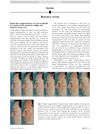
December 2015 in “Journal of the American Academy of Dermatology” A man with vitiligo and alopecia saw quick skin and hair improvement with ruxolitinib, but skin color gains were lost after stopping treatment.
 196 citations
,
September 2016 in “JCI insight”
196 citations
,
September 2016 in “JCI insight” Ruxolitinib effectively regrows hair in most patients with severe hair loss.
 116 citations
,
February 2017 in “Journal of the American Academy of Dermatology”
116 citations
,
February 2017 in “Journal of the American Academy of Dermatology” JAK inhibitors help with skin conditions but need more research on dosing and safety.
 77 citations
,
June 2017 in “Advances in Therapy”
77 citations
,
June 2017 in “Advances in Therapy” New treatments for Alopecia Areata, like JAK inhibitors, show promise for hair regrowth and are likely to change future treatment approaches.