2 citations
,
February 2024 in “Indian Dermatology Online Journal” Tofacitinib effectively improved hair regrowth and skin condition in a woman with alopecia totalis and lichen planus hypertrophicus.
 June 2025 in “Journal of Education Health and Sport”
 Oral JAK inhibitors show promise for treating alopecia areata but have challenges like relapse and side effects.
 2 citations
,
April 2019 in “Dermatologic Therapy”
2 citations
,
April 2019 in “Dermatologic Therapy” A patient with alopecia had hair regrowth with tofacitinib but developed a skin reaction, choosing to continue the treatment despite the side effect.
 December 2025 in “Dermatology The American Medical Journal”
 JAK inhibitors are effective for long-term management of alopecia areata.
 14 citations
,
February 2021 in “Journal of the European Academy of Dermatology and Venereology”
14 citations
,
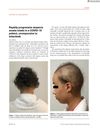
February 2021 in “Journal of the European Academy of Dermatology and Venereology” A COVID-19 patient with severe hair loss did not improve with hair loss medication after stopping and restarting it due to the infection.
May 2024 in “Indian Journal of Pharmacology” Tofacitinib effectively regrew scalp hair in an 11-year-old girl with alopecia areata.
 June 2024 in “Indian Dermatology Online Journal”
 Topical tofacitinib is effective and safe for treating alopecia areata.
January 2019 in “프로그램북(구 초록집)” Both tofacitinib and ruxolitinib are effective and tolerable for treating alopecia areata.
 7 citations
,
August 2023 in “Journal of the American Academy of Dermatology”
7 citations
,
August 2023 in “Journal of the American Academy of Dermatology” JAK inhibitors offer new hope for treating severe alopecia areata.
24 citations
,
February 2023 in “BMC Complementary Medicine and Therapies” Forsythiaside A reduces kidney damage from sepsis by lowering inflammation and cell death.
2 citations
,
February 2025 in “Archives of Dermatological Research” Baricitinib is a safe and effective alternative for alopecia areata patients who do not respond to tofacitinib.
July 2024 in “Journal of Controlled Release” Nanostructured lipid carriers effectively deliver tofacitinib to hair follicles, reversing hair loss in alopecia areata.

Tofacitinib significantly improved symptoms in a patient with overlapping autoimmune disorders.
 July 2023 in “International Ayurvedic medical journal”
 Ayurvedic treatments showed promise in treating premature graying of hair without harmful effects.
Tofacitinib helped a woman with total-body hair loss grow her hair back.
 February 2026 in “Clinical Cosmetic and Investigational Dermatology”
 Upadacitinib improves life quality for Alopecia Areata patients without worsening skin issues.
 2 citations
,
April 2024 in “Science & Technology Indonesia”
2 citations
,
April 2024 in “Science & Technology Indonesia” Albizia saponaria bark extract, especially the ethyl acetate fraction, is a strong antioxidant source.
 January 2024 in “Skin Research and Technology”
 Oral tofacitinib may be an effective future treatment for children with severe alopecia areata, but more research is needed.
 56 citations
,
January 2019 in “Lancet”
56 citations
,
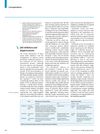
January 2019 in “Lancet” JAK inhibitors help regrow hair in alopecia areata patients, improving their quality of life.
 August 2018 in “Journal of the American Academy of Dermatology”
 Tofacitinib is a potential alternative treatment for alopecia totalis, especially in patients with a shorter duration of the condition and more preserved hair follicles, but the overall response rate is low.
 15 citations
,
November 2020 in “Pharmaceutics”
15 citations
,
November 2020 in “Pharmaceutics” Tofacitinib nanoparticles can safely and effectively treat alopecia areata by targeting hair follicles.
 December 2023 in “Medical & Clinical Case Reports Journal”
 Ayurvedic treatment, including leech therapy, can effectively regrow hair in alopecia areata.
July 2023 in “JAAD Case Reports” December 2022 in “Zenodo (CERN European Organization for Nuclear Research)” Tofacitinib effectively treated severe alopecia areata in a 14-year-old girl.
 July 2023 in “Journal of Natural Remedies”
 Shell ginger contains kavalactones that promote hair growth and have anti-cancer, anti-inflammatory, and anti-obesity effects.
 January 2025 in “Journal of Crohn s and Colitis”
 Tofacitinib is effective and safe for elderly patients with ulcerative colitis.
Ceiba leaf extracts significantly speed up hair growth.
 11 citations
,
February 2021 in “Journal of Cosmetic Dermatology”
11 citations
,
February 2021 in “Journal of Cosmetic Dermatology” Oral tofacitinib helped regrow hair in over half of the patients with severe alopecia, but relapses and side effects were common.
20 citations
,
June 2019 in “JAAD Case Reports” Tofacitinib can cause skin eruptions similar to palmoplantar pustulosis.

JAK inhibitors effectively regrow hair in children with alopecia areata and are safe to use.