 March 2024 in “International Journal of Pharmaceutics”
 Ginsenoside Rg3 combined with minoxidil was more effective in treating hair loss in mice.
 5 citations
,
December 2018 in “Biological & Pharmaceutical Bulletin”
5 citations
,
December 2018 in “Biological & Pharmaceutical Bulletin” Norgalanthamine helps hair cells grow by activating certain pathways related to hair growth.
November 2025 in “Journal of Investigative Dermatology” AMP-303 injections can increase hair growth in androgenetic alopecia with minimal side effects.
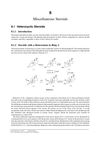
The document concludes that scientists created various steroids with different properties, including a more effective semi-synthetic vitamin D.
2 citations
,
March 2005 in “Journal of the American Academy of Dermatology” Equol may help with antiaging and skin health by boosting collagen and blocking certain hormones.
21 citations
,
May 2024 in “Journal of Ethnopharmacology”  September 2014 in “SciBX”
 JAK inhibitors may help treat alopecia areata and promote hair regrowth.
 May 2026 in “Zenodo (CERN European Organization for Nuclear Research)”
 Biochanin A from soy is a promising and safe candidate for treating hair loss.
2 citations
,
May 2020 in “Molecules” A new, efficient method was developed to synthesize a specific compound and its derivatives.
 3 citations
,
November 2005 in “Dermatologic Surgery”
3 citations
,
November 2005 in “Dermatologic Surgery” Aminoguanidine increases a specific growth signal in stored hair grafts, which may help them survive better after being transplanted.
1 citations
,
June 2025 in “Journal of Cellular and Molecular Medicine” Plant-derived compounds may help reverse grey hair by boosting melanin production.
 39 citations
,
March 2009 in “Archives of Dermatological Research”
39 citations
,
March 2009 in “Archives of Dermatological Research” Apigenin may help promote hair growth and could treat hair loss.
 2 citations
,
March 2013 in “Phytotherapy Research”
2 citations
,
March 2013 in “Phytotherapy Research” Ascorbigen increases hair cell growth in a lab setting but does not prevent hair loss from chemotherapy in mice.
 May 2026 in “Open Science Framework”
 Biochanin A from soy is a promising and safe candidate for treating hair loss.
 April 2023 in “The journal of investigative dermatology/Journal of investigative dermatology”
 A PTH-based treatment improved hair regrowth better than ruxolitinib in a mouse model of hair loss.
1 citations
,
January 1985 in “Protides of the biological fluids” Injecting monocyto-angiotropin into hare skin increases hair growth by forming new blood vessels.
July 2025 in “Journal of Investigative Dermatology” Upadacitinib effectively treats pyoderma gangrenosum.
 July 2026 in “Zenodo (CERN European Organization for Nuclear Research)”
 Biochanin A from soy is a promising and safe candidate for treating hair loss.
 28 citations
,
August 2015 in “Journal of Drug Targeting”
28 citations
,
August 2015 in “Journal of Drug Targeting” The new CoQ10 gel protects mouse skin better against aging from UV light than the old gel.
 April 2018 in “Journal of Investigative Dermatology” August 2021 in “The journal of investigative dermatology/Journal of investigative dermatology”
 TAGX-0003 protected hair follicles and reversed alopecia areata in a mouse model.
18 citations
,
December 2016 in “European journal of pharmacology” A new compound slows cancer cell growth and causes cell death by blocking cell cycle progression and increasing cell-damaging molecules.
 July 2026 in “Zenodo (CERN European Organization for Nuclear Research)”
 Biochanin A is the safest herbal compound for potential hair loss treatment.
33 citations
,
January 2015 in “Journal of Ginseng Research” Ginsenoside Rg3 from Panax ginseng can lighten skin by reducing melanin production.
 July 2026 in “Zenodo (CERN European Organization for Nuclear Research)”
 Biochanin A is the safest herbal compound for potential hair loss treatment.
January 2026 in “Open MIND” Targeting the PIEZO1 and MLCK axis may offer a new treatment for hair loss.
August 2025 in “Molecules” 132 compounds were found in Justicia procumbens L., including 77 new ones.
Mutations in the hairless protein gene cause hair loss.
 April 2018 in “The journal of investigative dermatology/Journal of investigative dermatology”
 Ginseng and Albizia extracts may help prevent age-related hair thinning.
 19 citations
,
July 2018 in “Medicines”
19 citations
,
July 2018 in “Medicines” Juniperus plants contain compounds with potential for developing various medical treatments.