 16 citations
,
January 2016 in “Journal of Investigative Dermatology”
16 citations
,
January 2016 in “Journal of Investigative Dermatology” Mice without the IL-6 gene had more hair growth after injury due to higher activity of a related protein, Stat3.
 14 citations
,
January 2020 in “Advances in Dermatology and Allergology”
14 citations
,
January 2020 in “Advances in Dermatology and Allergology” Higher interleukin-15 levels are linked to more severe alopecia areata, but not to age or gender.
 March 2026 in “International Journal of Dermatology Venereology and Leprosy Sciences”
 Vitiligo treatment requires a personalized mix of therapies to restore skin color and improve life quality.
 November 2025 in “Clinical Cosmetic and Investigational Dermatology”
 Immune cells and plasma proteins are linked to hair loss, suggesting new treatment options.

CD4 T cells need IFN-γ to cause hair loss in alopecia areata.

Mechanical surface cues can control macrophage behavior for better immunotherapy and tissue healing.
 April 2024 in “Frontiers in physiology”
 Immune cells are crucial for hair growth and preventing hair loss.
 April 2024 in “Journal of cancer research and clinical oncology”
 Tissue-derived extracellular vesicles are crucial for cancer diagnosis, prognosis, and treatment.
 60 citations
,
September 2015 in “Expert Review of Clinical Immunology”
60 citations
,
September 2015 in “Expert Review of Clinical Immunology” Lymphocytes, especially CD8+ T cells, play a key role in causing alopecia areata, and targeting them may lead to new treatments.
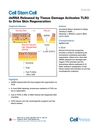 128 citations
,
August 2015 in “Cell Stem Cell”
128 citations
,
August 2015 in “Cell Stem Cell” Damage to skin releases dsRNA, which activates TLR3 and helps in skin and hair follicle regeneration.
 51 citations
,
June 2016 in “Journal of the European Academy of Dermatology and Venereology”
51 citations
,
June 2016 in “Journal of the European Academy of Dermatology and Venereology” Tofacitinib was effective in treating hair loss in two patients with alopecia universalis.
 16 citations
,
June 2021 in “Journal of Dermatological Treatment”
16 citations
,
June 2021 in “Journal of Dermatological Treatment” Minoxidil effectively treats hair loss, especially androgenetic alopecia, but needs more research for better understanding.
 3 citations
,
May 2023 in “Frontiers in immunology”
3 citations
,
May 2023 in “Frontiers in immunology” Faulty inflammasome activation may lead to autoimmune skin diseases and could be a target for new treatments.
 December 2025 in “IP Indian Journal of Clinical and Experimental Dermatology”
 Androgenetic alopecia treatments are becoming more personalized and include new therapies like topical antiandrogens and regenerative strategies.
 December 2013 in “The journal of investigative dermatology. Symposium proceedings/The Journal of investigative dermatology symposium proceedings”
 New research is helping develop better treatments for alopecia areata.
 4 citations
,
September 2019 in “Biomedical Papers/Biomedical Papers of the Faculty of Medicine of Palacký University, Olomouc Czech Republic”
4 citations
,
September 2019 in “Biomedical Papers/Biomedical Papers of the Faculty of Medicine of Palacký University, Olomouc Czech Republic” CD2 might be a new treatment target for patchy alopecia areata.
 3 citations
,
June 2022 in “Dermatology and therapy”
3 citations
,
June 2022 in “Dermatology and therapy” A new botanical treatment improved hair growth and symptoms in lichen planopilaris patients.
 110 citations
,
August 2016 in “Drugs”
110 citations
,
August 2016 in “Drugs” Minoxidil is the only FDA-approved topical drug for treating male or female pattern hair loss, and other medications like finasteride and dutasteride can also increase hair growth.
 November 2020 in “Postepy Dermatologii I Alergologii”
 Sulfotransferase SULT1A1 activity may predict minoxidil treatment success for hair loss.
 6 citations
,
April 2025 in “Plastic and Aesthetic Research”
6 citations
,
April 2025 in “Plastic and Aesthetic Research” Biomaterial characteristics can influence macrophages to promote healing and improve tissue regeneration.
 254 citations
,
January 2012 in “Nature Reviews Molecular Cell Biology”
254 citations
,
January 2012 in “Nature Reviews Molecular Cell Biology” Stem cell offspring help control their parent stem cells, affecting tissue health, healing, and cancer.
 191 citations
,
May 2018 in “British journal of dermatology/British journal of dermatology, Supplement”
191 citations
,
May 2018 in “British journal of dermatology/British journal of dermatology, Supplement” Alopecia areata is likely an autoimmune disease with unclear triggers, involving various immune cells and molecules, and currently has no cure.
 147 citations
,
November 2020 in “International Journal of Molecular Sciences”
147 citations
,
November 2020 in “International Journal of Molecular Sciences” Keratinocytes help heal skin wounds by interacting with immune cells and producing substances that kill pathogens.
 95 citations
,
November 2018 in “Australasian journal of dermatology”
95 citations
,
November 2018 in “Australasian journal of dermatology” Alopecia areata treatment varies, with no optimal method established yet.
 83 citations
,
June 2018 in “Frontiers in immunology”
83 citations
,
June 2018 in “Frontiers in immunology” Certain types of T cells are essential for healthy skin and play a role in skin diseases, but more research is needed to improve treatments.
 54 citations
,
September 2019 in “Journal of the European Academy of Dermatology and Venereology”
54 citations
,
September 2019 in “Journal of the European Academy of Dermatology and Venereology” Tofacitinib is somewhat effective for alopecia areata, but more research is needed on its safety and long-term effects.
 50 citations
,
December 2013 in “Stem Cells”
50 citations
,
December 2013 in “Stem Cells” Stem cell niches are adaptable and key for tissue maintenance and repair.
 23 citations
,
April 2021 in “Journal of Clinical Medicine”
23 citations
,
April 2021 in “Journal of Clinical Medicine” Frontal Fibrosing Alopecia's cause is unclear, affects mainly postmenopausal women, and current treatments focus on stopping hair loss rather than regrowth.
 22 citations
,
August 2017 in “Stem cells and cloning”
22 citations
,
August 2017 in “Stem cells and cloning” Stem cell technologies and regenerative medicine, including platelet-rich plasma, show promise for hair restoration in treating hair loss, but more research is needed.
 10 citations
,
October 2015 in “Medicina Clínica (english Edition)”
10 citations
,
October 2015 in “Medicina Clínica (english Edition)” Recombinant human epidermal growth factor is versatile, effective, and safe for long-term skin and mucosal treatments.