May 2025 in “Journal of the European Academy of Dermatology and Venereology” Etrasimod is safe but not effective for severe alopecia areata, though it may help milder cases.
 139 citations
,
November 2016 in “Journal of the American Academy of Dermatology”
139 citations
,
November 2016 in “Journal of the American Academy of Dermatology” Tofacitinib helped regrow hair in most adolescents with alopecia areata, but more research is needed.
6 citations
,
December 2013 in “Journal of Investigative Dermatology Symposium Proceedings” Alopecia areata involves complex immune and genetic factors, with potential treatment targets identified, but more research is needed.
5 citations
,
October 2024 in “Reumatismo” Upadacitinib significantly improved alopecia universalis and psoriatic arthritis in a patient.
3 citations
,
March 2024 in “Journal of Dermatological Treatment” Baricitinib can lead to hair regrowth in alopecia areata but may also cause relapses.
 December 2024 in “Frontiers in Pediatrics”
 Baricitinib improved platelet counts and alopecia in a 16-year-old with chronic immune thrombocytopenia.
 November 2023 in “JEADV Clinical Practice”
 Patients with severe alopecia areata felt better and less anxious or depressed when treated with baricitinib compared to placebo.
 17 citations
,
April 2020 in “Dermatology and Therapy”
17 citations
,
April 2020 in “Dermatology and Therapy” The PRP-like cosmetic product with postbiotics effectively treats hair loss in Alopecia areata.
 11 citations
,
February 2021 in “Journal of Cosmetic Dermatology”
11 citations
,
February 2021 in “Journal of Cosmetic Dermatology” Oral tofacitinib helped regrow hair in over half of the patients with severe alopecia, but relapses and side effects were common.
 11 citations
,
January 2018 in “Acta dermato-venereologica”
11 citations
,
January 2018 in “Acta dermato-venereologica” Tofacitinib works better and is more tolerable for severe alopecia than conventional treatments and DPCP immunotherapy.
1 citations
,
February 2025 in “Journal of Dairy Science” The SLICK1 allele in Holstein heifers affects hair and immune traits without altering prolactin signaling.
 March 2026 in “Journal of Pakistan Association of Dermatologists”
 Tofacitinib helps hair regrowth in alopecia areata but relapse is common after stopping treatment.
 November 2025 in “Turkish Journal of Dermatology”
 Both baricitinib and tofacitinib effectively reduce alopecia areata severity, with tofacitinib showing more improvement over longer use.
 August 2022 in “Nature Biotechnology”
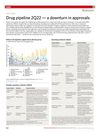
 Drug approvals slowed in 2Q22, but notable drugs like Amvuttra, Camzyos, and Olumiant were approved.
 June 2022 in “Frontiers in Immunology”
 Tofacitinib regrew hair in a man with total hair loss but raised cytokine levels, needing more research on possible side effects.
 November 2017 in “Asian journal of pharmaceutical and clinical research”
 Three compounds from Dadap leaves may help treat hair loss.
 26 citations
,
October 2020 in “Pediatric Dermatology”
26 citations
,
October 2020 in “Pediatric Dermatology” Oral tofacitinib may effectively treat hair loss in children with alopecia areata.
 51 citations
,
June 2016 in “Journal of the European Academy of Dermatology and Venereology”
51 citations
,
June 2016 in “Journal of the European Academy of Dermatology and Venereology” Tofacitinib was effective in treating hair loss in two patients with alopecia universalis.
 July 2026 in “Frontiers in Medicine”
 A new treatment plan for alopecia areata considers disease severity, quality of life, and progression to offer personalized care.
 December 2025 in “Dermatology Reports”
 Topical ruxolitinib quickly improves non-segmental vitiligo.
 23 citations
,
November 2015 in “Phytotherapy Research”
23 citations
,
November 2015 in “Phytotherapy Research” Certain herbal compounds, especially from bitter melon, can inhibit cancer growth and promote hair growth by blocking PAK1.
11 citations
,
September 2024 in “Journal of the European Academy of Dermatology and Venereology” Hair regrows faster in alopecia areata than skin re-pigments in vitiligo due to differences in stem cells and treatment effects.
 January 2026 in “Dermatology and Therapy”
 Patients with alopecia areata on ritlecitinib responded well to tetanus and meningococcal vaccines.
4 citations
,
June 2023 in “Frontiers in immunology” JAK inhibitors help hair regrowth in alopecia areata but have a high risk of side effects.
 November 2024 in “Journal of the European Academy of Dermatology and Venereology”
 Long-term baricitinib treatment can lead to significant scalp hair regrowth in patients initially showing only eyebrow or eyelash regrowth.
 25 citations
,
November 2022 in “British journal of dermatology/British journal of dermatology, Supplement”
25 citations
,
November 2022 in “British journal of dermatology/British journal of dermatology, Supplement” Baricitinib for severe alopecia areata is generally safe, with common side effects like infections and acne, and low rates of serious complications.
 March 2025 in “Experimental Dermatology”
 Overexpression of IKZF1 and Ikaros causes hair loss in mice similar to alopecia areata.
 August 2018 in “Journal of the American Academy of Dermatology”
 Tofacitinib is a potential alternative treatment for alopecia totalis, especially in patients with a shorter duration of the condition and more preserved hair follicles, but the overall response rate is low.
 11 citations
,
November 2019 in “Journal of the American Academy of Dermatology”
11 citations
,
November 2019 in “Journal of the American Academy of Dermatology” Oral tofacitinib is a promising treatment for beard hair loss in alopecia areata.
 49 citations
,
May 2018 in “Journal of the American Academy of Dermatology”
49 citations
,
May 2018 in “Journal of the American Academy of Dermatology” Applying 2% tofacitinib cream helped some children with severe hair loss grow back hair.