 17 citations
,
March 2020 in “Frontiers in Chemistry”
17 citations
,
March 2020 in “Frontiers in Chemistry” Compounds from the plant Mammea siamensis may help treat hair loss.
 June 2024 in “Indian Dermatology Online Journal”
 Topical tofacitinib is effective and safe for treating alopecia areata.
July 2026 in “Experimental Dermatology” Minoxidil sulfate helps hair regrowth in alopecia areata by enhancing anti-inflammatory effects and reducing mitochondrial stress.
1 citations
,
August 2019 A 25% ethanol extract hair tonic from Nothopanax scutellarium leaves significantly boosts hair growth in male rabbits.
 1 citations
,
February 2021 in “Farmacja Polska”
1 citations
,
February 2021 in “Farmacja Polska” Janus kinase inhibitors show promise in treating autoimmune skin diseases.
 December 2025 in “International Journal of Innovative Technologies in Social Science”
 Oral JAK inhibitors effectively treat alopecia areata and are generally well-tolerated.
11 citations
,
February 2022 in “JAAD case reports” Abrocitinib, a JAK inhibitor, may help treat atopic dermatitis and alopecia universalis together.
18 citations
,
June 2016 in “Clinical and Experimental Dermatology” Increasing isoleucine intake improved skin and health issues in an infant with maple syrup urine disease.
June 2025 in “Medical alphabet” JAK inhibitors may help treat alopecia areata in children, but their safety needs careful evaluation.
1 citations
,
September 2007 in “Neuromuscular disorders” The treatment with valproate, acetylcarnitine, folic acid, and vitamin B12 may improve muscle strength in children with SMA without significant side effects.
 January 2023 in “Biomaterials Science”
 Certain genes are more active during wound healing in axolotl and Acomys, which could help develop materials that improve human wound healing and regeneration.
 1 citations
,
July 2022 in “Journal of dermatology”
1 citations
,
July 2022 in “Journal of dermatology” Disrupted citric acid metabolism stops hair growth.
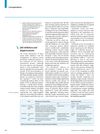 56 citations
,
January 2019 in “Lancet”
56 citations
,
January 2019 in “Lancet” JAK inhibitors help regrow hair in alopecia areata patients, improving their quality of life.
 January 2023 in “International Journal of Molecular Sciences”
 Maxillariinae orchids contain 62 compounds with potential health benefits, including treating skin conditions and diseases like cancer and diabetes.
Ziziphus jujuba and Eclipta alba leaf extracts improve blood sugar levels and cognitive function in diabetic rats.
March 2023 in “Authorea (Authorea)” Early diagnosis and treatment of systemic-onset juvenile idiopathic arthritis are crucial for improvement.
July 2026 in “Journal of the American Academy of Dermatology” 4 citations
,
November 2024 in “Scientific Reports” 16-MHA can restore damaged hair's protective barrier and moisture balance.
 9 citations
,
August 2018 in “JAAD Case Reports”
9 citations
,
August 2018 in “JAAD Case Reports” Tofacitinib can temporarily improve hair growth in alopecia universalis, but its effectiveness may decrease over time.
 2 citations
,
June 2022 in “Molecules”
2 citations
,
June 2022 in “Molecules” Connarus semidecandrus Jack extract promotes hair growth and thickness, reduces prostate cancer cell growth, and could potentially be used as a treatment for hair loss.
 19 citations
,
March 1961 in “Nature”
19 citations
,
March 1961 in “Nature” A fatty acid/protein complex in human hair helps protect it from damage.
11 citations
,
January 1956 in “Journal of Investigative Dermatology”  August 2023 in “Journal of Chromatographic Science”
 A new method accurately measures three compounds in rat plasma from pine needle extracts, aiding future research on its use for hair loss.
June 2026 in “Acta Dermato Venereologica” JAK inhibitors can help some people with long-standing alopecia areata regrow hair, but many stop treatment due to limited effectiveness.
2 citations
,
September 2024 in “Expert Opinion on Drug Metabolism & Toxicology” Ritlecitinib is an effective new treatment for Alopecia Areata.
1 citations
,
September 2023 in “Frontiers in Genetics” A heterozygous mutation in HTRA1 can cause severe CARASIL symptoms.
 2 citations
,
July 2023 in “Journal of cosmetic dermatology”
2 citations
,
July 2023 in “Journal of cosmetic dermatology” JAK inhibitors are more effective and safer for treating alopecia areata than dupilumab and apremilast.
50 citations
,
November 2015 in “Journal of pharmacological sciences” α-mangostin nanoparticles improved acne with minimal irritation.
 12 citations
,
November 2014 in “Bioscience, Biotechnology, and Biochemistry”
12 citations
,
November 2014 in “Bioscience, Biotechnology, and Biochemistry” Genetically modifying a bacteria and changing its growth conditions significantly increased the production of a chemical called dipicolinic acid.
 4 citations
,
April 2020 in “JAAD case reports”
4 citations
,
April 2020 in “JAAD case reports” JAK inhibitors help hair regrowth but not fully effective for androgenetic alopecia.