 May 2023 in “Research Square (Research Square)”
 The HDDPiW-jSB solution may prevent hair loss caused by docetaxel in rats when applied regularly.
June 2026 in “Indian Dermatology Online Journal” Tofacitinib may work better than methotrexate for treating moderate-to-severe alopecia areata.
 July 2025 in “Journal of Cosmetic Dermatology”
 Alternative treatments are needed when Tofacitinib alone fails for alopecia areata.
 April 2026 in “International Journal of Drug Delivery Technology”
 Lactobacillus acidophilus substances can kill and stop the spread of cervical cancer cells.
 8 citations
,
March 2002 in “Archiv Der Pharmazie”
8 citations
,
March 2002 in “Archiv Der Pharmazie” The compound 4c effectively inhibits the enzyme linked to hair loss.
 1 citations
,
January 2023 in “Journal of Pharmacognosy and Phytochemistry”
1 citations
,
January 2023 in “Journal of Pharmacognosy and Phytochemistry” Dracaena trifasciata can be used in traditional medicine and its authenticity can be verified.
 June 2026 in “Saudi Medical Horizons Journal”
 JAK inhibitors show promise in treating skin conditions like eczema, hair loss, and vitiligo but need more safety research.
 February 2026 in “Clinical Cosmetic and Investigational Dermatology”
 Upadacitinib improves life quality for Alopecia Areata patients without worsening skin issues.
 February 2026 in “Journal of Sylva Indonesiana”
 Avicennia marina heartwood extract shows strong antioxidant potential for health benefits.
 111 citations
,
August 2002 in “Journal of Medicinal Chemistry”
111 citations
,
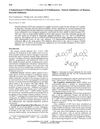
August 2002 in “Journal of Medicinal Chemistry” New compounds were made that block an enzyme linked to breast cancer better than existing treatments.
 1 citations
,
July 2011 in “The Egyptian Journal of Anatomy”
1 citations
,
July 2011 in “The Egyptian Journal of Anatomy” Both TCA and GA peels effectively improved skin thickness and collagen without significant differences.
 March 2026 in “Mendeley Data”
 Janus kinase inhibitors help hair regrowth in kids with alopecia areata but need more safety research.
52 citations
,
September 2014 in “Nature medicine” JAK inhibitors might help treat alopecia areata.
January 2013 in “The Thai Journal of Pharmaceutical Sciences” 1 citations
,
April 2018 in “Journal of Investigative Dermatology” Simvastatin helps hair regrowth in autoimmune alopecia by directly affecting T cells.
 April 2023 in “International Journal of Research in Dermatology”
 Baricitinib is a promising treatment for severe alopecia areata with minimal side effects.
 9 citations
,
January 2023 in “Dermatology and therapy”
9 citations
,
January 2023 in “Dermatology and therapy” A 14-year-old girl with severe hair loss regrew her hair using upadacitinib.
June 2026 in “Integrative Medicine Research” Connarus semidecandrus extract may safely help regrow hair in androgenetic alopecia.
1 citations
,
June 2006 in “Experimental dermatology” Acetylcholine receptors might be involved in the development of acne inversa and smoking could worsen the condition.
 April 2022 in “Molecules”
 Teak leaf extract contains compounds that could help treat hair loss.
 3 citations
,
April 2018 in “Holzforschung”
3 citations
,
April 2018 in “Holzforschung” Scientists found a new natural compound and other known compounds in Cercidiphyllum japonicum twigs, which might be useful for medicine.
1 citations
,
June 2015 in “Journal of anatomy” A compound named ZCZ90 can increase muscle spindle firing, potentially helping treat muscle spasms and hypertension.
 June 2026 in “Eurasian Journal of Medicine”
 Baricitinib effectively regrew hair in a woman with alopecia universalis after other treatments failed.
October 2012 in “Sax's Dangerous Properties of Industrial Materials”  1 citations
,
May 2017 in “Journal of the American Academy of Dermatology”
1 citations
,
May 2017 in “Journal of the American Academy of Dermatology” Tofacitinib helped a teenager with severe hair loss grow hair back, but more research is needed.
January 2016 in “Huanjing yu Jiankang Zazhi”  March 2026 in “Mendeley Data”
 Janus kinase inhibitors can help children with alopecia areata regrow hair but may have some risks.
 May 2024 in “Journal of cosmetic dermatology”
 Heat-treated Limosilactobacillus fermentum with menthol, salicylic acid, and panthenol promotes hair growth and balances scalp microbiome in people with androgenetic alopecia.
June 2026 in “Frontiers in Immunology” JAK inhibitors effectively treat inflammatory skin diseases by targeting specific cytokine signals.